

Highlights
- Budget gaming phones under ₹30K now deliver steady frame rates, adaptive refresh, and robust thermal design.
- iQOO focuses on sustained performance and cooling, POCO pushes peak silicon value, and Realme balances display and battery.
- Look for 120 Hz+ panels, efficient charging, and game modes that stabilise frame rates for long sessions.
In India, the under-₹30,000 segment has turned out to be one of the most attractive and fiercely fought-over areas for smartphone makers who want to get the best out of the gaming performance, and the competition among iQOO, POCO, and Realme is a clear indication of the stretching of value for money.

POCO silicon valueThe trade-off that was limited to the choice between raw chipset power and battery life has now matured into a full-blown plethora of trade-offs: thermal performance, display responsiveness, haptics and control ergonomics, to name a few along with software optimizations such as game modes and frame-rate stability that the ecosystem ups the ante with hardware shoulder triggers or cooling systems, sophisticated as they may be.
Each brand has highlighted its specific strengths, iQOO is usually the one relying on thermal engineering and consistent frame rates, POCO is the one going for the highest silicon bang for the buck and lowest prices, while Realme is the one seeking for a balance between well-balanced hardware and software refined and power management, so the pragmatic buyer must think over how those priorities match with their everyday use rather than going after separate benchmark scores.
Chipset Behaviour and Sustained Performance
Choosing the right gaming phone under ₹30K starts with the chipset and how it behaves under load, not just with its raw core count or headline frequency. Modern mid‑range and upper mid‑range SoCs deliver strong peak performance, but gaming is a marathon where sustained clocks, thermal throttling, and power delivery determine real‑world frame consistency. iQOO’s recent Neo and related lines have earned attention precisely because they are engineered to deliver high sustained clocks through larger heatpipes, vapour chambers, and tuned fan curves in their segment, which translates to steadier frame rates during long sessions.
POCO’s approach is more transactional: it brings the latest value‑focused silicon and often pairs it with efficient displays and a default aggressive performance mode that pushes peak numbers, a strategy that suits short bursts of competitive play but sometimes exposes thermal limitations during prolonged AAA sessions. Realme sits between these extremes, offering balanced cooling and software that tends to favour battery and temperature controls while still enabling high frame‑rate modes for esports titles, making it a safe pick for players who also use their phone for day‑to‑day productivity.

Display Characteristics and Input Fidelity
Display characteristics matter as much as raw GPU power for perceived smoothness, and in the sub‑₹30K bracket, buyers can now expect 120 Hz or higher AMOLED and LCD panels with low touch latency. A high refresh rate paired with good touch sampling makes a big difference in shooter and racing titles where input timing is critical, while adaptive refresh implementations help preserve battery life during non‑gaming tasks. Typically, POCO is the one that is applying high-refresh LCDs of low cost and great performance to its devices, whereas Realme is the one that is depending on hiding AMOLED screens in devices where colour reproduction and contrast are major contributors to users’ immersion.
iQOO is also trying to adopt features that mainly differentiate it through its specific screen calibration. It does so to reduce the drops in frame rate caused by overheating and maintain the visual continuity throughout the gaming sessions. So, not only does the refresh rate impact the decisions of the customers, but also the brightness, touch sampling, and whether the panel stutters when done with extended GPU cooling.
Battery Capacity, Charging, and Endurance
Battery and charging are decisive practical considerations for gaming phones, because power draw during high frame‑rate gaming rapidly transforms long sessions into short ones without adequate capacity or fast top‑up capability. In this price band, manufacturers frequently include 5,000 mAh class batteries and high‑wattage charging to mitigate that trade‑off; phones that combine efficient SoCs, sensible thermal profiles, and fast charging give a superior user experience because short breaks can meaningfully restore playtime.
POCO typically competes aggressively on charging speeds, offering large wattage chargers in the box and conservative thermal limits that make top‑ups quick, while Realme often balances fast charging with software modes that cap peak power for temperature control, and iQOO tends to push a mixture of moderate charging speeds and superior thermal design to keep battery degradation in check over long use. The net effect for most users is that a phone’s charging strategy and battery size can be as important as frame rates when comparing models for gaming endurance.
Software, Game Modes, and Ecosystem Features
Beyond hardware, software, and ecosystem features shape how each brand approaches gaming. A refined game‑mode with frame stabilisation, background process limits, and network optimisation can make a mid‑range SoC feel far more capable than its raw specs suggest. POCO’s MIUI‑based builds include aggressive performance profiles that appeal to users who prefer a plug‑and‑play boost, at the cost of higher temperatures and faster battery drain.
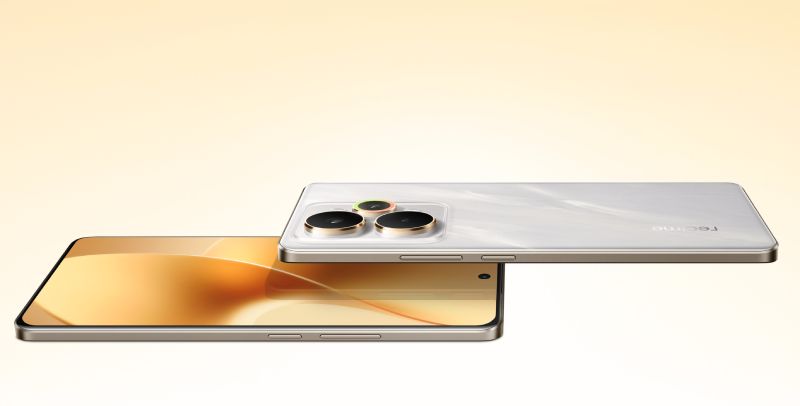
Realme’s customisations are more measured, integrating developer tools and smoother UI transitions to preserve system responsiveness while gaming. iQOO invests in developer APIs and bespoke Game Space features that allow fine‑grained control over touch response, CPU/GPU prioritisation, and haptic feedback, which benefits enthusiasts who want to customise their experience down to the millisecond.
For gamers who stream or record, hardware encoder quality, thermal headroom for longer recording sessions, and available software overlays become critical points of differentiation that are often overlooked when buyers compare only SoC and RAM.
Camera and Multimedia Tradeoffs
Camera and multimedia capability remain secondary for gaming buyers, but are still meaningful for those who want a multipurpose device. Realme tends to offer a more polished imaging stack and colour science for social media content creation. At the same time, POCO focuses on delivering acceptable cameras without sacrificing thermal headroom or cost competitiveness. iQOO’s camera systems are improving with each generation.
Yet, the brand’s design choices often prioritise cooling and mechanical robustness over the last megapixel. For consumers who game but also produce short‑form video or stream gameplay, the right compromise is a phone that offers a dependable selfie camera and decent stabilisation without imposing thermal penalties during play.
Pricing Dynamics and Market Fluidity
Price and value dynamics within this category are fluid, with monthly and seasonal promos so that a model may pivot between “out of consideration” and “best buy” in short order. Indian retail cycles, exchange offers, and launch discounts often dictate which phone is providing the most value at any point in time.
Industry summaries and lists refreshed as of 2025 feature a changing list of contenders under ₹30K, with devices such as the iQOO Neo 10R and POCO F6 series frequently taking spots for pure gaming performance at the top, and some Realme options being suggested for an all-around lifestyle strategy involving good battery life and screen quality. Aggregators and review websites offer hands‑on thermal and prolonged frame‑rate tests worth referring to before buying, because manufacturers’ claims hardly ever say it all.
Brand Positioning and Who Each Is For

When choosing between iQOO, POCO, and Realme within a stringent ₹30K budget, the purchasing user’s main use case must decide the brand inclination. Competitive players who value raw frames and brief-session supremacy will be attracted by POCO’s competitive silicon options and cost, while players who are looking at long sessions or prioritise long‑term thermal endurance will enjoy iQOO’s engineering focus on cooling and frame solidity.
Realme is the practical middle ground for users who need an all‑rounder: solid display fidelity, reliable battery life, and software refinement without spilling over into the extremes of maximum performance or maximum headroom from a thermal perspective. Ultimately, the best gaming smartphone in this category is the one that fits how and when you play, as the small incremental gains in benchmarks are not as important as the compounding experience influenced by thermals, software, screen responsiveness, and charging patterns.
Practical Buying Advice
In practice, potential purchasers should examine extended thermals and frame-conistency tests, measure touch latency and display refresh in actual gameplay instead of synthetic metrics, and seek open information regarding warranty and software updates from the supplier.
The spirited rivalry between iQOO, POCO, and Realme has developed a market in which rational trade‑offs are available: you can have excellent frame rates without a flagship price tag, or opt for a better-balanced device that lasts longer in actual usage. For players in the sub-₹30K space in 2025, the decision is not about what to give up on fundamentals; it’s about what focus—maximum speed, stamina, or equilibrium—and allowing that focus to determine what brand and model you prioritise.
Conclusion

The sub-₹30K gaming smartphone segment in 2025 favours consumers who recognise the relationship between long-term thermals, screen responsiveness, battery approach, and software finesse. Each of iQOO, POCO, and Realme has a unique approach that translates to various gaming lifestyles, and the choice of which model to buy depends on how you play rather than pursuing numbers in isolation. With careful selection and attention to hands‑on extended performance tests, consumers can acquire devices that provide consistently great gaming experiences without having to break the bank for flagships.