

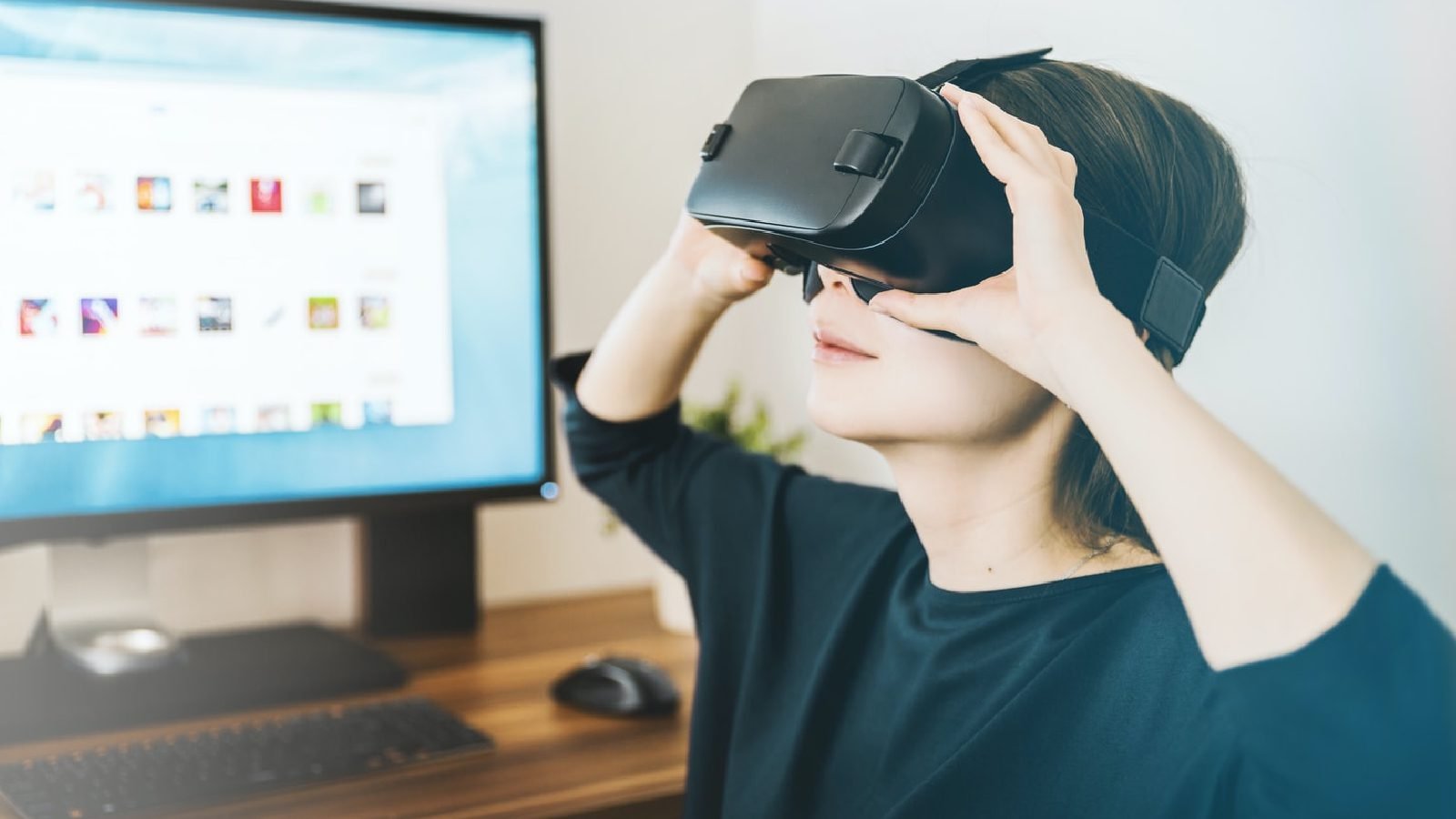
A new systemic review found that all studies reported benefits when using virtual reality (VR) to manage psychological distress in adolescents.
According to the study, published in the peer-reviewed journal Cyberpsychology, Behavior, and Social Networking, these benefits occurred across a range of treatment scenarios.
“These preliminary findings suggest VR is a valuable treatment modality for adolescent psychological distress,” said researcher Joshua Kelson from Charles Sturt University.
Adolescents face unique life challenges relating to puberty, schooling, self-identity, intimate relationships, and financial dependence. Adolescence is a critical period for the onset of mental health disorders.
VR is a promising treatment modality for mental health issues. It is a rapidly evolving field involving immersive computer technology to embed users into interactive digital worlds.
For the study, a total of 301 articles were retained for full-text evaluation next to eligibility criteria.
The studies included in this report showed that VR interventions can quickly reduce negative symptoms. Both active (playing an interactive game) and passive (watching a movie) VR experiences were therapeutic for distressed adolescents.
The study indicated that adolescent participants rated their VR experience favorably, and attrition rates were low.
The researchers said that VR technology can provide a safe, rapidly efficacious, and acceptable treatment modality for managing psychological distress in several key adolescent populations.