




Table of Contents
Highlights
- WhatsApp third-party chat support for users is being introduced in Europe, following the EU’s Digital Markets Act (DMA).
- Users will be able to message people on other apps, like Signal, Telegram, or any approved service, without leaving WhatsApp.
- The feature is optional, entirely opt-in, and can be turned off at any time.
- Meta says it is maintaining end-to-end encryption (E2EE) to keep conversations secure.
- A dedicated “Third-Party Chats” section will soon be available in WhatsApp Settings across Europe.
Introduction
For years, messaging apps kept us trapped in their own ecosystems. If your friend preferred another app, you either downloaded it or the conversation didn’t happen. Now, after intense pressure from the EU’s Digital Markets Act (DMA), WhatsApp is making a significant move: users in Europe will soon be able to chat across apps with WhatsApp Third-Party Chats.
This change isn’t just a technical update; it’s a shift in how we view digital communication. For everyday users, it raises an important question:
“Will this make my life easier, safer, or more complicated?” This news feature breaks everything down from the user’s perspective –
“What’s changing, why it matters, and what you will actually see inside the app.”
What Is Messaging Interoperability, and Why Is the EU Pushing for It?
The DMA requires large platforms, like Meta, to open their services so users have real choices instead of feeling forced into a single ecosystem. In messaging, that means interoperability.
You shouldn’t have to install six different apps to reach all your contacts. You shouldn’t lose control over your data just because a friend uses a different service.
Big companies shouldn’t make switching difficult.

For WhatsApp, this means allowing third-party chats: a way to talk to people who use other messaging services while keeping the platform’s strong encryption and privacy standards intact. And that’s where the challenge lies – balancing openness with security.
How WhatsApp Is Implementing Third-Party Chats
Meta’s engineering teams have spent months building a technical framework that meets DMA rules without compromising end-to-end encryption.
Keeping Encryption Intact
WhatsApp’s most enormous promise has always been privacy. According to Meta, any third-party app wanting to work with WhatsApp must meet its encryption standards. That means messages remain E2EE-protected on both ends.
Third-party apps must follow WhatsApp’s protocol or show they can match that security level. WhatsApp will not weaken encryption to achieve compatibility. For users, the takeaway is simple. It’s that the user’s messages remain private, even when chatting across different apps.
A Separate “Third-Party Chats” Section
WhatsApp doesn’t want to confuse users or mix external chats with standard conversations. That’s why third-party messages will appear in a distinct inbox. The user will always know which chats are external. Features may differ. For instance, not all reactions, stickers, or media formats may work across apps.
This separation protects users by making expectations clear: WhatsApp chats behave like WhatsApp; third-party chats may not.

Opt-In Only – You Decide
The new feature will never turn on by itself. Users must choose to activate it. A notification in the app will explain the feature. You must explicitly enable interoperability. You can turn it off at any time in Settings. So nothing changes unless you want it to.
What Users Will Actually See Inside WhatsApp
Meta says that over the next few months, users in the European Region will start seeing an in-app notification explaining how to enable third-party chats. Here’s what this rollout looks like from a user perspective:
A New Interoperability Notification in Settings
You’ll see a banner explaining:
– What third-party chats are
– How they work
– How your data is protected
– What differences to expect
This is where you can tap “Turn On” to activate interoperability.
A Dedicated Third-Party Chats Inbox
Once enabled, a new folder or tab labeled “Third-Party Chats” will appear. Anyone messaging you from another app will show up here. You can reply from WhatsApp without switching to their app.
Familiar Privacy Warnings
Some safety notes may show up:
– Messages might follow different privacy rules on the other app.
– Not all WhatsApp features may work.
– You may be asked to verify encryption or identity keys.
The goal is transparency, so users always know when they’re messaging outside the WhatsApp ecosystem.
Why This Matters for Everyday Users
Fewer Apps, More Convenience
No more juggling apps or switching platforms because your group prefers a different one. Interoperability gives users more freedom and fewer downloads.
More Control Over Your Digital Life
The user can stay on WhatsApp, talk to people on other apps, even decide when interoperability is turned on, and opt out if they don’t like it. This kind of control is precisely what the DMA aimed for.
Better Competition, Better Innovation
Smaller apps can now reach WhatsApp users, offer unique features, and stay competitive without needing big networks.
In the long run, users benefit from healthier competition and better innovation across messaging apps.
Privacy Isn’t Sacrificed
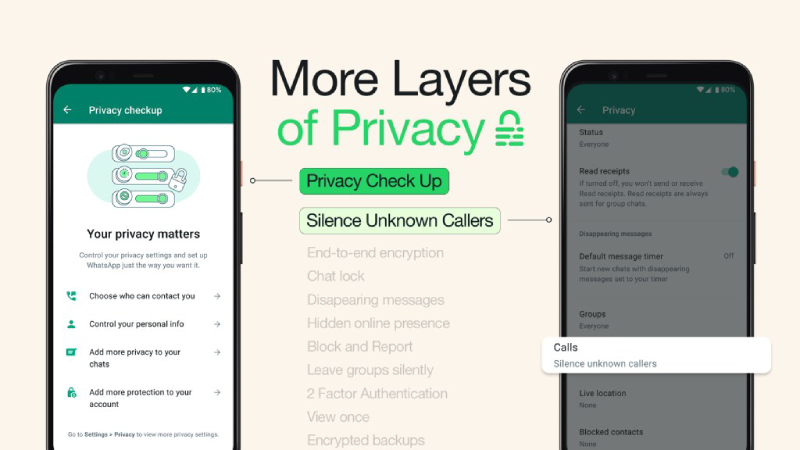
Despite opening the doors, WhatsApp isn’t compromising on end-to-end encryption. Apps that want to connect must match WhatsApp’s encryption. That’s a strong guarantee for user trust.
What Limitations Should Users Expect?
Interoperability is promising, but users should be aware of initial constraints:
Feature Limitations
Not all apps share identical features. Early third-party chats may have:
- No disappearing messages
- Limited sticker or GIF support
- Fewer media formatting tools
These will evolve as interoperability matures.
Slower Rollout
Only users in the European Region will see the feature. Global rollout is not confirmed.
User Education Matters
Meta acknowledges that users need clarity. WhatsApp will provide onboarding messages that explain the security differences.
Feature variations and opt-in controls.
How This Change Fits Into WhatsApp’s Future
This isn’t just a compliance update. It’s part of a bigger shift in how messaging platforms may work in the future. Meta says it will keep expanding interoperability as required by the DMA. That means:
More apps may join, more features may work across apps, voice and video interoperability might come later, and businesses and commerce might see cross-app options in the future. This is just phase one.
Conclusion
WhatsApp’s support for third-party chats marks one of the most significant changes in the messaging landscape in years. Driven by the EU’s Digital Markets Act, the update aims to give users more freedom without compromising the platform’s main strengths: privacy, encryption, and ease of use.
For consumers, the key takeaway is simple: nothing changes unless you want it to. Interoperability will sit quietly in your settings until you choose to turn it on. But once activated, it opens the possibility of a more seamless digital world, where messaging isn’t defined by which app someone uses, but by your choice. WhatsApp’s commitment to encryption and transparency means users can explore this new flexibility without sacrificing security.
As Meta rolls out updates in the coming months and expands interoperability step by step, one thing is clear: messaging is entering a more open, user-controlled era, and European users will be the first to experience it.
