





Table of Contents
Highlights
- Virtual replicas of physical systems are now influencing urban planning, healthcare, energy, and consumer technology.
- Governments and global companies are investing billions to build high-fidelity simulations that improve efficiency and safety.
- Human digital twin technology is emerging as a breakthrough for personalized medicine and predictive diagnostics.
- Increasing accessibility and falling costs (often under $500–$2,000 USD per deployment for small-scale systems) are accelerating adoption worldwide.
What Exactly Are Digital Twins and How Do They Work in the Real World?
Digital Twin Technology can be defined as the methodology & implementation for creating a digital representation of physical objects & environments, such as aircraft, healthcare facilities, homes, and more.
Digital Twins consist of technologies that replicate or simulate the functionality of their physical counterpart, and are constantly monitored throughout the life cycle of their host object. Due to the continuous connection that digital twin technology provides, the digital twin can monitor for the occurrence of a problem before it happens, simulate options, and determine how best to optimise efficiency, thereby generating insight into its operation before any physical actions take place.
The concept of Digital Twin Technology originated with NASA’s Apollo Program. Engineers relied heavily on ground-based models of spacecraft using this technology to troubleshoot & fix issues in orbit. Digital Twin technology has matured rapidly over the last decade with the rise of cloud computing, big data, & real-time analytical capabilities, making it an absolute necessity & having a significant impact across many industries.
It is estimated that global spending on digital twin technologies will surpass $90 billion USD by 2030. Industries leading this growth include manufacturing, smart cities, transportation, healthcare, etc.
Why has digital twin technology become the predominant solution for future innovation and planning?
Why Digital Twin Technology Is Becoming Essential for Global Innovation
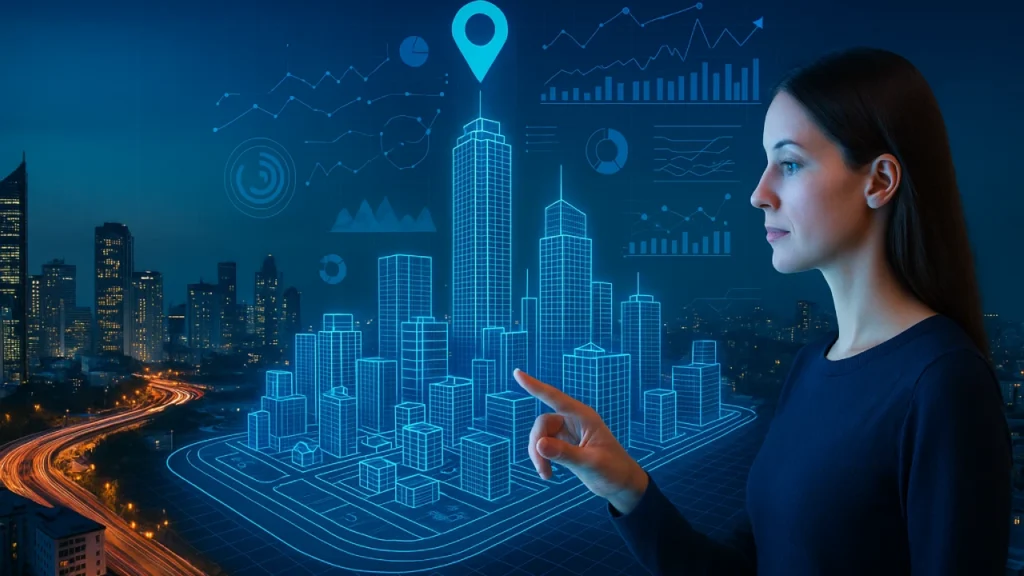
Urban areas are growing in size and density, and in some places, they are also becoming more complicated; for example, New York City, Singapore, Dubai, Copenhagen, and other large urban centers now rely on the use of digital twin technology to model and optimise their urban infrastructure on a scale that has never been possible until now.
When cities create a digital twin of their entire city, the digital twin can capture the following types of data.
- Traffic flow
- Public transit systems
- Energy grids
- Water systems
- Waste disposal
- Weather and climate forecasts
- Construction planning (safety, waste management)
- Emergency response simulations
For example, Singapore’s Virtual Singapore is a 3D model of the entire nation that includes traffic modelling, housing density modelling, flood zone mapping, and airflow modelling between tall buildings.
Helsinki uses a digital twin of the city to simulate and analyse energy use to reach carbon-neutral targets.
Los Angeles analyzes wildfire risk and uses digital twins to develop emergency response plans.
These models enable city officials to generate “What if” scenarios and perform feasibility tests without physical risk, whether it is assessing how the addition of a new subway line would impact traffic congestion or modelling the effects of coastal flooding on neighbourhoods over the next 20 years.
As more digital twin infrastructures enter the marketplace, given the cost of digital twin platform development ranging from $10,000 USD to $200,000 USD, depending on your requirements, many governments worldwide are now viewing digital twins as significant, high-value, long-term infrastructure investments.
So, how are digital twins helping to improve day-to-day life for citizens of the world?

How Digital Twins Are Transforming Smart City Planning Worldwide
Digital twins allow cities to operate more efficiently and sustainably. They can reduce energy waste, improve emergency response, and even save lives.
Key benefits include:
- Real-time traffic optimization: Adjusting signal timings to reduce congestion and carbon emissions.
- Predictive maintenance: Water pipes, bridges, and power grids can be repaired before they fail.
- Resource planning: From electricity to public transport, supply is better matched to demand.
- Disaster management: Flooding, storms, and heatwaves can be modelled in advance to protect vulnerable communities.
Barcelona uses digital twins to track noise pollution and water usage. Dubai models real-time utility consumption for entire districts. Meanwhile, London uses digital-twin-based simulations for pedestrian safety and crowd management during events.
These changes mean cleaner air, safer streets, fewer outages, and more resilient urban systems.
If digital twins can mirror entire cities, what happens when the technology is applied to individual people?

The Emergence of Human Digital Twins – A New Era of Personalized Modern Healthcare
Through digital twins, cities can improve efficiency and sustainability by reducing energy waste and shortening response times to emergencies (floods/fires), thereby saving lives.
How they work:
- Improved traffic flow and traffic signalling (real-time adjustment of traffic light signal times to reduce congestion and emissions)
- Digital Twins enable cities to identify when sewer/water/ gas pipelines, electrical substations, and bridges are likely to need repair before they fail (preventative maintenance).
- Digital Twins enable cities to predict and match City Services to actual demand (e.g., electricity vs. transit systems).
- Digital Twins allow cities to simulate flood/earthquake/windstorm/heatwave scenarios so that they may create better preparedness plans for at-risk Communities.
Hospitals in the U.S., Europe, Japan, and South Korea are already experimenting with digital twins for cardiac and neurological conditions. Costs vary widely, but prototype personal digital twins range from $500 to $5,000 USD, depending on complexity.
But how will human digital twins change everyday healthcare for ordinary people?

How Digital Twins Enable Preventive Medicine and Precision Treatment
Human digital twins make healthcare proactive rather than reactive.
They can help detect early warning signs of:
- heart disease
- diabetes
- arrhythmia
- kidney issues
- hormonal imbalances
- respiratory problems
Picture a system that simulates your heart’s response to various levels of stress and predicts how your body will respond to medications before you take them; this is no longer fiction. Digital Twin technology is currently being developed by Tech Companies in Germany, America, and the Netherlands, and can model Mental Health Biomarkers, Sleep Quality, and Stress Patterns.
Insurance Companies, along with Workplace Wellness Programs, are researching how Digital Twin Technology can be used to help determine an individual’s long-term health care needs and reduce costs as much as possible by allowing identification of risks several years in advance.
Digital Twins can assist not only with cities and individuals, but are also being used by Companies Globally.
How Global Industries Use Digital Twins for Efficiency and Innovation
From aerospace to retail, digital twins are reshaping how companies operate.
Manufacturing
Digital Twin Technology has also allowed for the simulation of robots, assembly lines, and supply chains down to the smallest detail. It will enable BMW, Siemens, and Tesla to simulate their plant designs before building them.
Aviation
Boeing and Airbus use Digital Twin Technology when designing aircraft engines to determine components’ fatigue levels, thereby improving component reliability and ultimately reducing the risk of engine failure.
Energy
Wind Parks and Root Energy use Digital Twin Technology to predict their energy output, hence reducing downtime. Offshore Turbines are costly to maintain because it is often difficult to schedule service; they enable predictive modeling, which saves them millions per year.
Retail/Logistics
Retail companies SOLIDWORKS, eBay, and Amazon are using Digital Twin Technology to predict demand at stores, warehouses, and trucks, minimizing out-of-stock inventory and reducing associated transportation costs.
Given the amount of global investment, what roadblocks may impede the growth of Digital Twin Technology?
Challenges Limiting Digital Twin Adoption Across the World
The implementation of digital twins has many advantages; however, there are many issues to be resolved.
The following are some key issues that will require attention: data privacy concerns. For many digital twins of humans, substantial amounts of sensitive health information will be needed.
- Security Concerns in Digital Twin Systems – If a utility or hospital’s digital twin is hacked, there is a high likelihood of significant damage to the community.
- Integration Costs Slowing Global Deployment – Smaller businesses or developing countries may be unable to afford the required technology.
- Regulatory Barriers Slowing Global Deployment – Organizations need to meet regulatory compliance requirements in their home country and overseas due to different laws governing cross-border data flows, particularly in the EU and the USA.
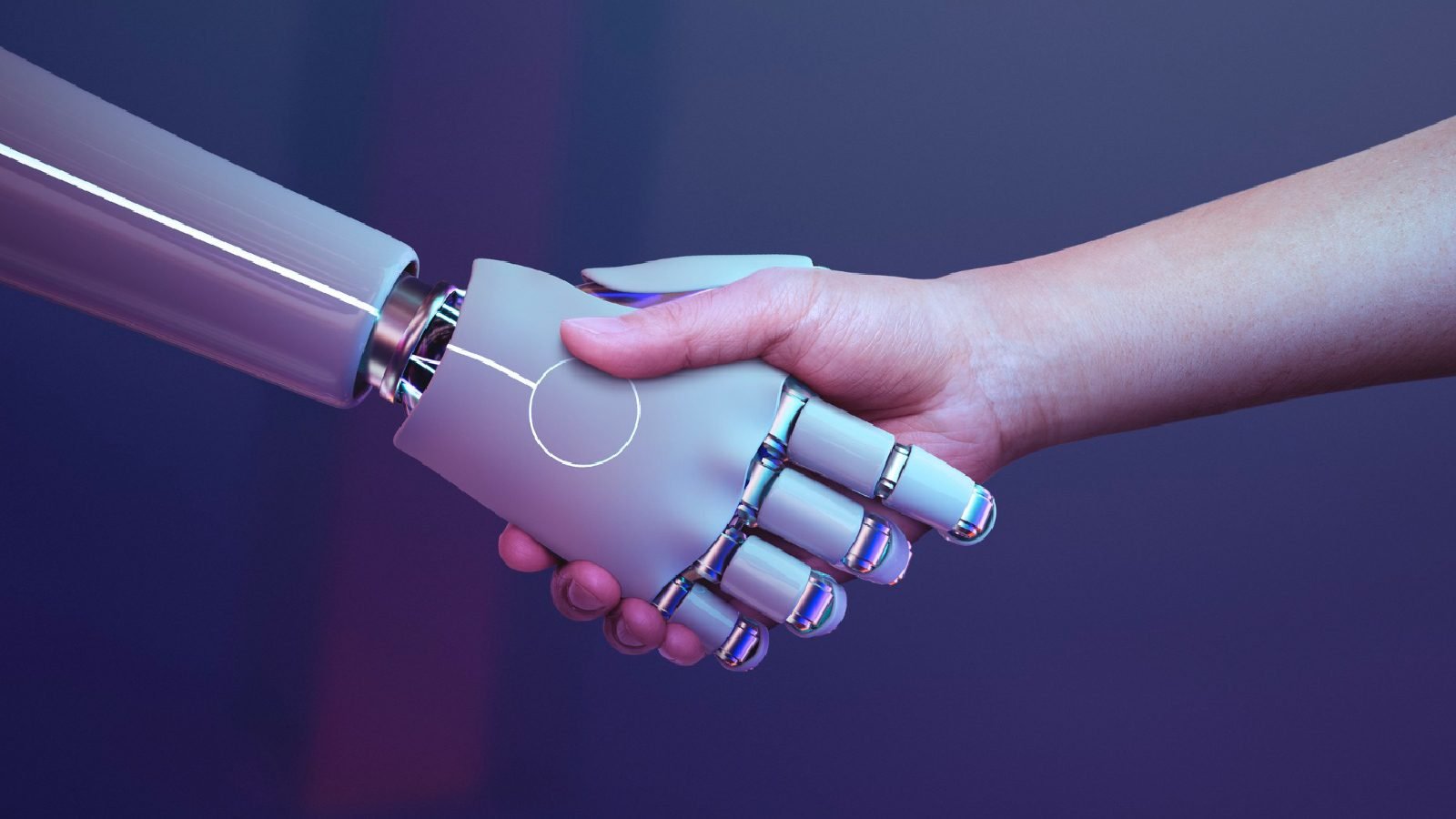
Currently, organizations across the globe are developing standards for establishing and maintaining digital twin architectures, including the adoption of ISO standards. It is this foundation that will enable digital twins to develop and sustain Transparency and Safety.
From a global point of view, what will the future hold for digital twins?
The Future Outlook: How Digital Twins Will Shape Daily Life Worldwide
Digital twins are on track to become an integral part of daily life. Within the next decade, we may see:
- entire national infrastructures mirrored in virtual space
- routine medical checkups supported by human digital twins
- sustainable cities optimized in real-time
- personalized product testing for consumers
- real-time climate and pollution simulations guiding policy
Digital twins, as technology continues to advance, become more accessible to everyone, and are increasingly used in people’s lives, will transition from being used only by professional industries to everyday tools that aid decision-making, safety, and the standard of living across the globe.
Ready to step into the future? Explore how digital twins can enhance your decisions, protect your wellbeing, and reshape your daily life. Stay informed, stay ahead, and start imagining your own digital future today.
