




Table of Contents
Highlights
- Mental wellness apps in 2025 have evolved into full systems mixing CBT, AI, and professional support.
- Research shows apps help mild to medium issues, though long-term benefits remain unclear.
- AI brings personalization and red-flag detection but still struggles with nuance and accuracy.
- Apps work best as first-line support, while deeper struggles require trained experts.
A decade back, mental wellness apps were basic gadgets: just meditation timers, recorded breathing guides, or soft alerts telling the user to slow down. Jump to 2025, though, and everything has shifted. Now, plenty of apps act like a whole system, mixing learning modules, step-by-step emotional support plans, live coaches, video sessions with pros, along with smarter AI helpers that actually respond well.
All this growth brings up a fair concern: do these tools really make life better mentally, or are they just flashy tech toys dressed up to look helpful without doing much good? The truth is not black and white. Some folks find these apps useful, especially with specific issues, while for others, it is just one part among many in getting proper support.

From clocks to apps
The change from basic apps to bigger systems did not happen fast, it built up slowly thanks to multiple overlapping reasons. At first, wellness apps did just one thing, like helping us to relax, sleep better, or check our feelings, and being straightforward helped users get into them quickly, though they could not do much else. As years passed, popular ones added more features, often by teaming up with different teams.
A few mindfulness names started linking with mental health services so people could access everyday tips along with professional help if things got tough. Meanwhile, companies plus health plans spotted how handy digital apps could be, so they added subscription access into workplace perks and well-being packages. This interest made coders boost their software with tracking, summaries, and alert systems, letting bosses check usage while guiding staff toward real support when needed.
Out of growing demands from clinics and companies came full systems instead of one-task tools, collections of step-by-step exercises, organized plans lasting several weeks built around Cognitive Behavioural Therapy (CBT) ideas, ways to log emotions and write thoughts daily, support from certified coaches, video sessions with mental health pros, also smart tech adjusting content to fit each person or spot serious red flags.

Put simply, today’s platforms adapt to where someone is: at risk, needing guidance, or requiring professional help; not only handing out meditations paired with soothing background noise.
How well it works
Scientists lately checked mental health apps way more carefully, and it turns out results are kind of hopeful, though not amazing. Studies often show these tools help ease anxiety or sadness better than just sitting around, especially if they use organized methods like CBT, or come with a bit of real-person guidance. Gains usually are not huge, however; some folks feel much better, yet others barely notice a shift.
Research into AI chat tools is picking up speed, showing hopeful signs so far. Many users say they feel better and handle stress more easily after just a bit of time using them. Still, the majority of tests look at folks with light or medium issues, tracking changes only for several weeks or maybe a couple months.
This means we are missing information on whether benefits last over years, along with how useful these apps really are for those dealing with intense or layered mental health struggles. The bottom line is that thoughtfully built programs seem helpful for plenty of people, particularly when it comes to catching problems early and learning new ways to cope, yet they will not fix everyone’s situation.
What AI brings to the table
Artificial smarts have changed mental-health tools more than anything else lately. Instead of stiff menus, a user gets chats that act friendly, like texting someone who gets the user. Based on what they do, the app picks stuff that fits them, seeing prompts for certain exercises, nudges when they are drifting, or calm-down tricks if they cannot sleep. Because it runs nonstop, it watches tons of people at once, scanning messages for red flags. If things sound risky, it pulls in real helpers or sends alerts to emergency lines.
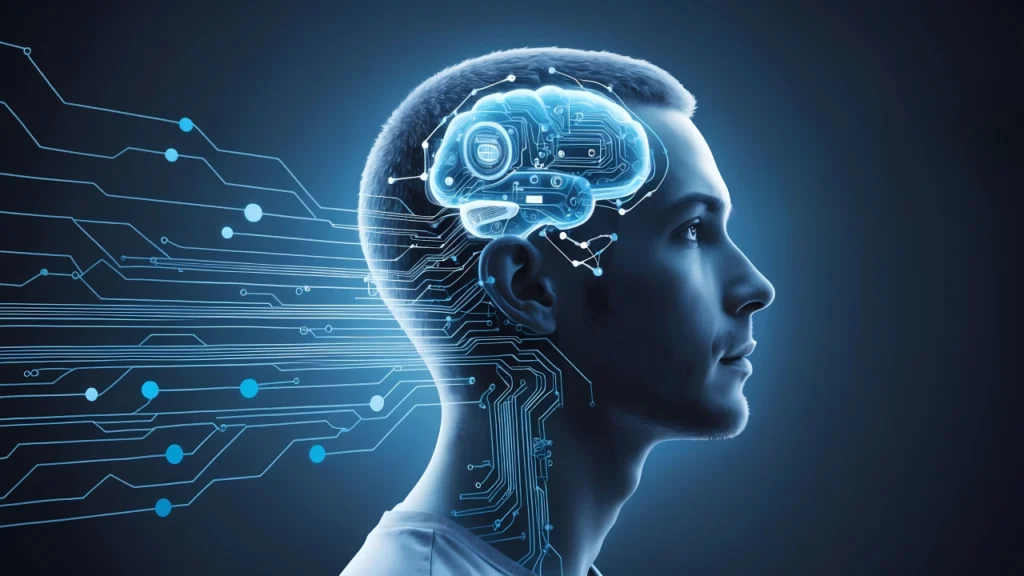
Even with these perks, AI hits various walls we should notice. Instead of just giving methods, counselors build trust, pick up on small body signals, or weigh tough choices, mainly spots where today’s tech often stumbles. Systems might twist odd phrases, blurt out off-the-mark replies, or invent info that may be shaky. Then there is real-world use: lots tend to quit apps fast, since lasting help mostly comes from steady effort, or mixing in face-to-face support. That means while bots stretch access and tailor answers, they will not swap out trained pros when issues get deep or messy.
Safety, ethics and regulation
Apps are getting more serious, acting like medical tools by using personal data and automation, so concerns around safety, secrecy, and control are growing fast. Since some digital helpers now act like real healthcare gear, watchdogs and clinics are spelling out when they should face tougher checks and clearer rules. Still, tons of wellness apps do not fall under tight regulations, meaning how well or safely they work might be anyone’s guess.
Beyond official rules, people worry about right and wrong when it comes to using data, fairness, also who gets left out. Ownership of user-provided info matters; so, do storage methods, sharing practices, plus possible uses beyond what users agreed to. If machine learning systems learn from skewed datasets, they might repeat or worsen existing prejudices, hurting underrepresented communities over time.
At work, giving employees mental health apps as perks brings up privacy red flags, as they might fear their personal details could pop up during job assessments or get watched without consent. All this points toward one thing: clearer disclosures, third-party checks, tighter safeguards so these tools help instead of hurt.
Who gains the most
In real life, mood and stress apps work best for folks dealing with light to medium worry, trouble sleeping, or first signs of low moods. These tools can show users handy methods such as reframing thoughts, calming exercises, or better bedtime habits, while giving nudges and daily shape. Since they are quick, discreet, yet cheap, they really help those who skip traditional support due to shame, price, or lack of options.
Still, app use is not right for every person on its own. Those dealing with deep depression, current ideas about suicide, psychotic episodes, or tricky mental health backgrounds usually require full-time support from certified experts along with possible meds or emergency help. For such situations, digital tools might add value, like logging mood shifts or trying out techniques between visits, but they ought to back up actual therapy, never take over real diagnosis or care.
