Highlights
- Decentralized app stores challenge tech-giants’ control by offering more freedom for developers and users.
- Replacing mainstream stores like those from Apple or Google isn’t yet practical for average users due to security, convenience, and reach limitations.
- Most “decentralized” distribution — even Web3-linked — still relies on some central infrastructure, limiting full decentralization.
- Decentralized stores shine when resisting censorship, lowering barriers for niche apps, or enabling innovative monetization beyond traditional models..
Over ten years, phone apps have mostly followed rules set by two big players: Apple’s App Store and Google Play. They choose what gets seen, who pays how much, even when fixes roll out. But lately, that grip’s been cracking. Court fights, fresh laws, do-it-yourself tech builds, along with buzzy blockchain-style Web3 ideas, got builders, startups, and rule-makers wondering: could there be another way? Are these new paths here to stay or just flash-in-the-pan trends?
Why central hubs took over – also why it’s a big deal
Centralized app stores took over since they handled several tricky issues at once. Yet they gave people ways to spot useful apps fast. Because security mattered, these platforms used locked-down delivery paths. While built-in payment tools helped creators sell stuff smoothly. When updates rolled out, folks got them without hassle.
Device builders liked this setup; it kept things predictable. As users stayed protected, the whole process felt smooth. Most regular phone owners trust Apple’s or Google’s store. Search, hit install, done, no weird error messages. No need to dig into technical junk either.

That ease does not come cheap. Still, big platforms run the show, setting tight rules while taking cuts many devs feel are way too steep. Because of this, major lawsuits popped up across nations, sparking curiosity in new methods to share and find apps. Here’s the thing: official hubs offer security plus simplicity, yet they pack too much control into few hands, slowing fresh ideas and limiting options. Getting this balance right matters if we are ever going to talk honestly about open app markets.
What decentralized or alternative app shops are really like
The term “decentralized app store” includes many types of systems that differ in tech and control, yet aim to cut down dependence on major platforms. One common kind? Third-party shops or open collections. For example, Android lets people use options such as Amazon’s Appstore, Samsung’s Galaxy Store, or user-run lists like F-Droid to get apps another way. Each picks software differently and sets its own costs, but still runs through central servers and real moderators just like mainstream ones do, only governed by separate policies.
One option involves installing apps manually using APK files. Instead of downloading from an official marketplace, people can grab them straight from websites or local storage. While this setup suits tech-savvy folks and creators who want more control, it could expose regular users to malware or broken features.
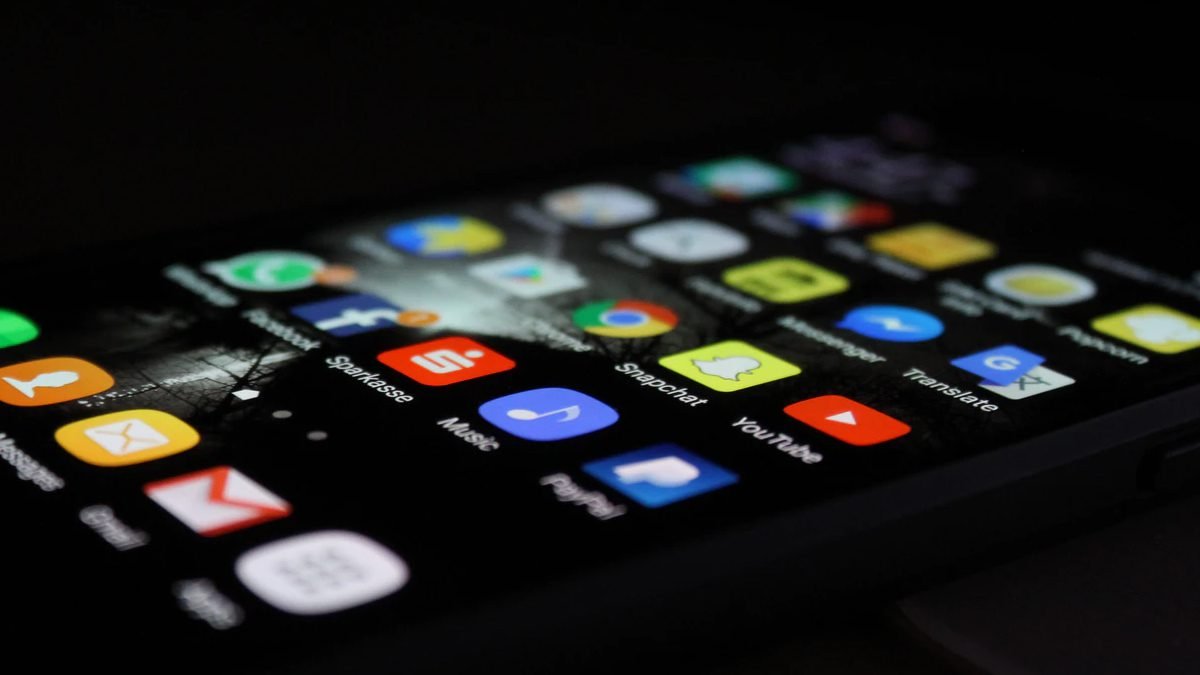
Another path uses web-based tools, take Progressive Web Apps (PWA), for instance. These act like regular apps even though they are powered by browsers, letting users pin them to their device’s main menu. Since they do not rely on built-in app platforms, teams often pick PWAs when building services across multiple devices where updates should happen fast.
A fresh wave of options now pops up from the Web3 scene. Instead of relying on big servers, these dApp stores run on distributed networks, using blockchains and direct user links to handle apps. The idea? It is tougher for one group to take down an app when no single entity controls everything, plus payments can happen through digital tokens powered by self-running agreements.
But reality is not fully decentralized yet, most current platforms mix elements like token-based logins or file hosting with traditional setups, leaning on central hubs for speed or ease. Some depend on outside wallets or main server-like nodes just to function smoothly. Every setup swaps out total control for perks like fewer barriers, creative ways to earn, or better resistance to shutdowns.
Real perks but also clear drawbacks of options
Other app shops plus scattered delivery systems come with solid perks. So, developers can pick their own pricing rules, cut expenses while trying out fresh ideas. Hosting stuff across many nodes makes it harder to shut down content, super useful when dealing with tight government controls. Meanwhile, Web3 markets offer different money tools such as small digital payments or reward tokens, things Apple’s system was not built for, possibly sparking whole new types of apps and user groups.
Meanwhile, real-world limits still exist. While centralized app stores offer basic safety like auto-scanning for malware, spotting scams, or trusted feedback, most other options cannot keep up yet. Regular folks usually care more about whether an app’s safe than they do about ideals like open access.

Things like easy setup, seamless updates, saving progress across devices, and working well with phone features come built-in with major platforms. Smaller outlets need to figure out these pieces just as well if they want everyday people on board.
Finding customers and making money’s still tough, since lots of folks begin searching right in the App Store or Play Store, devs might get overlooked without big app collections or websites selling them. Then again, certain tech rules plus restrictions, especially on iPhones, where installing outside apps is limited, show workarounds could fit one system better than another.
Where decentralization really works
Decentralization works best when one central authority can break things or keep people out unfairly. Take tools built to dodge censorship, these thrive without a middleman calling the shots. Open-source teams picking fair ways to share updates also gain from this setup. Then there are blockchain-based platforms needing transactions baked directly into code, they naturally fit here. These cases are not theoretical; they deliver tough systems, more independence, and often smoother money transfers across borders.

Meanwhile, big dreams around completely trustless, decentralized app stores have not quite become real yet. Being able to grab native apps straight from a peer-to-peer web and pay small digital fees, no middlemen needed, is appealing; however, issues pop up with how smooth things feel, speed, and handling payments reliably.
Most so-called decentralized efforts actually mix in some central parts just to keep track of stuff, help new people join, or push out stable upgrades. That means even though cutting out control points fixes some deep flaws; it does not instantly give the slick ease that regular app hubs provide.