


Highlights
- TWS under 5000 now offer ANC, long battery life, and stable Bluetooth, once seen only in premium earbuds.
- TWS under 5000 delivers strong everyday sound quality, ideal for music, calls, and casual listening.
- TWS under 5000 provides great value for students, commuters, and budget users seeking efficient performance.
TWS earbuds have become almost a necessity in India’s busy daily commute, crowded public transport, and late-night studying or working. But you don’t have to pay more than 10,000 for a decent set. The years have seen major enhancements in the earphones that cost less than ₹5,000.
The improvements that have been made to chipsets, driver designs, and battery efficiency have resulted in many budget models offering features such as active noise cancellation, Bluetooth 5.x, multipoint pairing, and long playback hours. All these make them good for music, movies, calls, and even casual gaming – at a fraction of the cost of premium earphones.
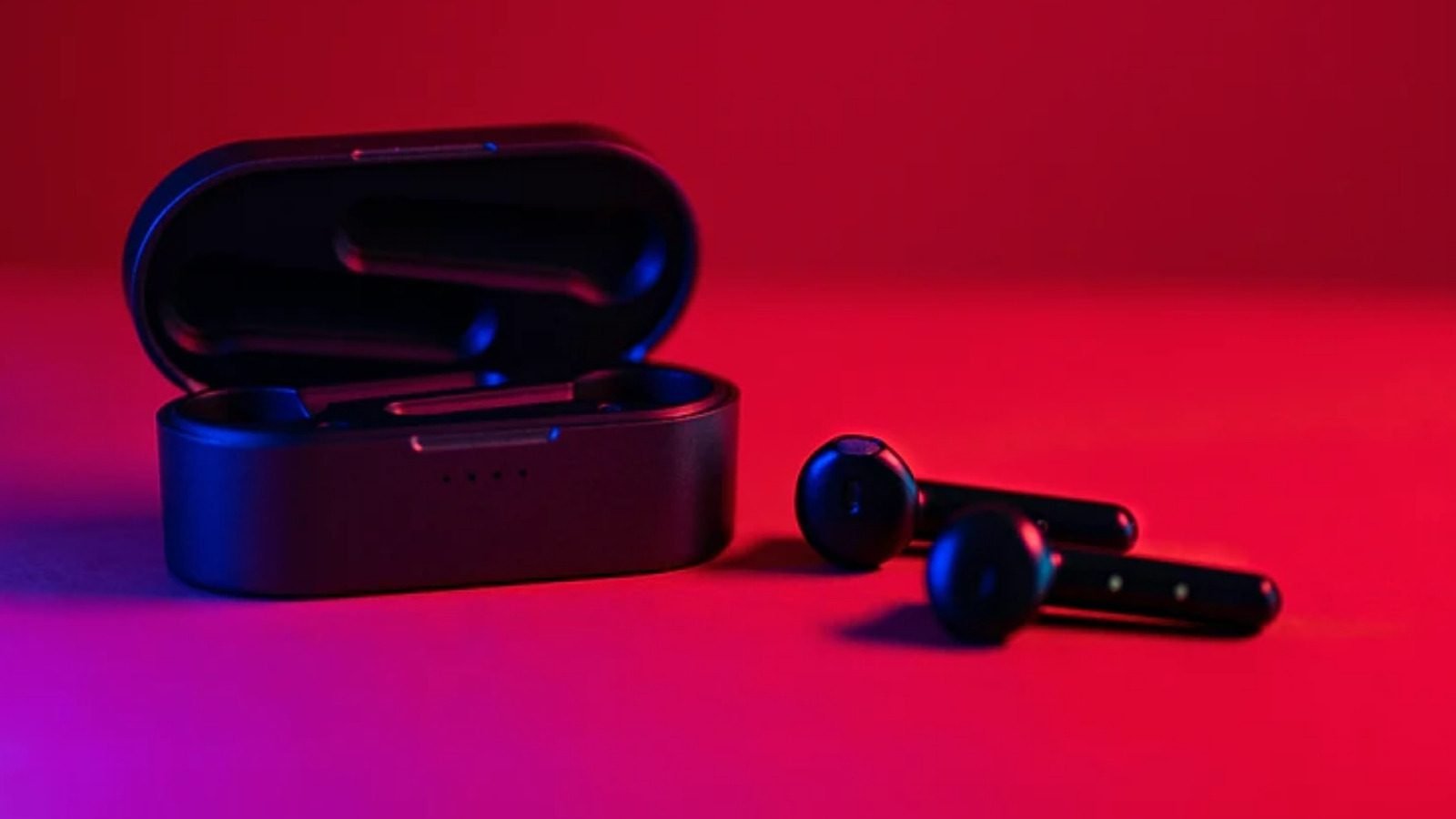
However, just like in the case of any bargain product, “good enough” comes with trade-offs. In this article, we will be looking into the current position of the budget TWS (under ₹5,000), what to expect realistically, and who should — or shouldn’t — buy them.
What You Can Realistically Expect Under ₹5,000
Sound Quality & Bass
Some TWS under ₹5,000 are capable of rendering solid bass while simultaneously supplying stronger low frequencies. The more expensive ones are able to deliver good quality mid and high-frequency sounds too, and these can be used for making good vocals. The sound will definitely be more than enough for the daily listening of music, according to your choice (pop, rap, rock), or for movies. The reviewers praise that dual-driver setups or 10–12 mm dynamic drivers bring a significant upgrade in terms of clarity and bass, even at this price range.
At the same time, however, audiophile-level precision—rich soundstage, deep bass without distortion, balanced mids/highs—still cannot be achieved.
Noise Cancellation & Ambient Noise Isolation
ANC (active noise control) in its modern-day budget TWS is found in most models (usually up to 40-50 dB). This makes a bit of difference to the interferences from the surroundings (commuting, traffic noise, fans).
It’s not quite like the high-end ANC (such as Bose or Sony flagship), but for ₹3,000-₹5,000, it’s enviable for daily use. For light travel, bus rides, or studying in noisy areas—it’s an asset.
Battery Life & Charging
TWS in the budget category nowadays usually claim about 5 to 8 hours of use per charge, with the total playback time being (earbuds + case) often 25–40 hours or more, depending on the usage and charging cycles.

If you are a moderate user, you will be listening to music, making calls, and using them while commuting on a single charge that lasts a full day, plus backup in case it is needed. However, charging time is usually short, and fast charging via USB-C is supported by many.
Connectivity, Latency & Features
Most of the TWS under-₹5,000 come with Bluetooth 5.x, which provides not only a stable pairing but also a decent range for phones or laptops. Some models provide multipoint pairing even (connect to two devices simultaneously—phone + laptop)—handy for calls and switching between media.
Latency can be tolerated for watching videos and playing games casually, while gaming competitively or doing latency-sensitive tasks can show the delays clearly. Touch/tap controls, microphone quality, and water/sweat resistance depend on specific devices – so, make sure to verify the specifications.
Who Should Consider TWS Under ₹5,000 — And Who Shouldn’t
Good fit for
Students, daily commuters — for music, calls, lectures, and online classes.
Casual listeners — music, podcasts, videos, content consumption.
Light phone usage: calls + music + occasional streaming.
Budget-conscious users want a good balance between features and price.
Not ideal for
Audiophiles — who want high-fidelity sound, deep bass, or a wide soundstage.
Heavy gamers or latency-sensitive activities may face slight sync issues.
Frequent travelers or people needing long, high-quality ANC sessions — budget ANC can only do so much.
Users who want premium build quality, noise isolation, and long-term durability — budget TWS may feel plasticky or less robust.

Quick Recommendations (under ₹5,000 range)
Best overall feature-for-money: earbuds with dual-driver + ANC + long battery + stable Bluetooth — ideal for daily use and casual listening.
Best for calls and portability: lightweight TWS with stable mic, multipoint pairing, and moderate bass — good for students and commuters.
Best for media consumption (music/movies): models with stronger bass and longer playback — useful if you watch a lot on phone/laptop.
Avoid: earbuds that advertise features like “ANC” but don’t have decent mic, battery, or stable Bluetooth — often these are hype-driven and deliver low value.
Conclusion
The year 2025 has seen the transformation of true wireless earphones under ₹5,000 from being merely “cheap earbuds” to being practical and capable devices that can efficiently deliver to most users’ requirements: music, calls, commuting, and casual use.
A good TWS under ₹5,000 provides strong performance for the price if you are familiar with their drawbacks—moderate yet improving sound quality, decent noise cancellation, but not studio-level, and limited lifespan. For everyday listening, content consumption, making calls, and just audio playback, under ₹5,000, it is possible to find a good TWS that offers very good quality in relation to its price.

If you are one of those who primarily want earphones for high-quality music listening, an audiophile-grade sound experience, or long trips with noise-free isolation, then you will still need to think of the higher-end options. However, the case is different for many users in 2025—students, commuters, casual listeners—the low-budget TWS range is more than adequate.