




Table of Contents
Highlights
- Modern home renewable energy gadgets combine solar panels, smart inverters, and energy storage to deliver efficient, affordable, and reliable clean power.
- Technological advances and financial incentives have improved affordability, boosted return on investment, and reduced long-term dependence on the electrical grid.
- Environmental and long-term benefits include lower carbon emissions, improved energy resilience, and a practical pathway toward sustainable living.
As energy costs rise and climate concerns grow, households around the world are increasingly opting for renewable energy solutions. Technological advancements have made home-based green energy systems more accessible, efficient, and affordable than ever. Solar panels, smart inverters, and residential energy storage systems now create a cohesive system that enables homeowners to generate, manage, and store clean electricity. Together, these renewable energy tools offer a practical way to achieve energy independence, lower carbon emissions, and save money in the long run.
Solar Panels: The Foundation of Home Renewable Energy
Solar panels are the foundation of household renewable energy systems. Modern photovoltaic (PV) panels convert sunlight into electricity using semiconductor materials, with efficiency steadily improving over the last decade. Today’s residential solar panels typically reach efficiency rates between 18 and 23 percent, allowing more power to be generated from smaller roof areas. Improvements in panel durability and weather resistance have also lengthened their lifespan, with most systems designed to last 25 to 30 years.

Affordability has played a major role in the growth of solar adoption. The cost of installing residential solar systems has dropped significantly due to mass production, better manufacturing methods, and government incentives. Many homeowners can now put up rooftop solar panels at a fraction of the cost seen ten years ago. Financial savings often come from lower electricity bills, net-metering programs that credit excess energy returned to the grid, and long-term protection against rising utility rates. In many areas, solar installations can achieve a return on investment within six to ten years, after which generating electricity is essentially free.
Smart Inverters: The Intelligence Behind Energy Management
While solar panels generate electricity, smart inverters act as the brain of a home renewable energy system. They convert the direct current (DC) produced by solar panels into alternating current (AC), which is used by household appliances. Smart inverters do more than just basic conversion; they manage power flow, monitor grid conditions, and optimize energy use in real time.
One of the main benefits of smart inverters is their ability to communicate with the electrical grid and home energy management systems. They can automatically adjust output during voltage changes, which improves grid stability and reduces the chance of power disruptions. Smart inverters also enable homeowners to monitor energy production and use through mobile apps or dashboards, providing insights that help optimize consumption patterns. By efficiently directing electricity to appliances or storage systems, smart inverters improve efficiency and enhance the value of solar power generation.
Home Energy Storage: Power When It Matters Most
Energy storage systems, usually based on lithium-ion battery technology, have become vital in modern home renewable energy setups. These batteries store extra electricity generated during sunny hours and provide it during nighttime, cloudy days, or power outages. As battery technology has progressed, residential energy storage systems have become safer, more compact, and longer-lasting.
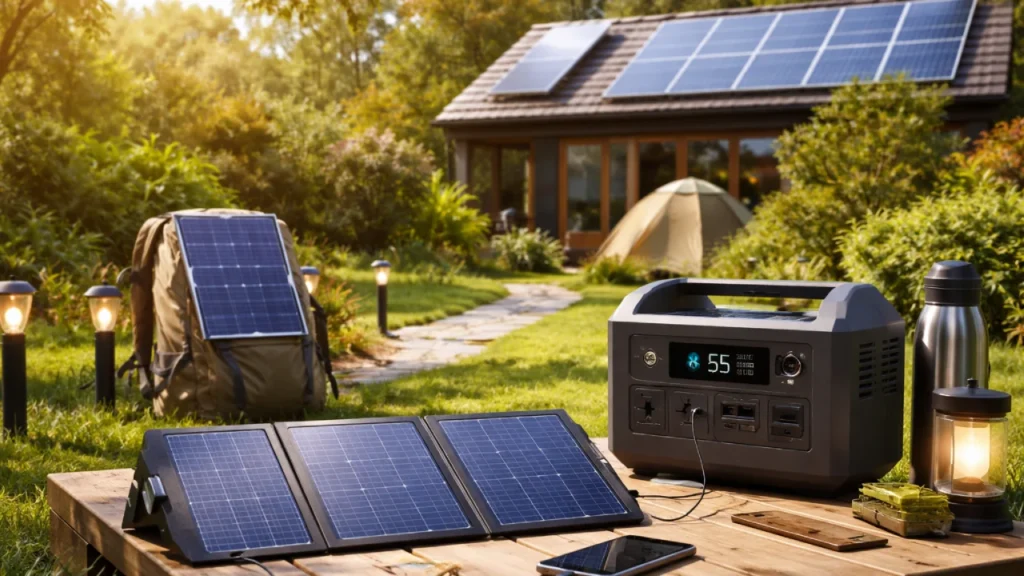
Affordability is an important factor since batteries are among the more expensive components of a home renewable energy system. However, their prices have consistently gone down, and many homeowners now see energy storage as a long-term investment rather than a luxury. Batteries increase self-consumption of solar energy, decreasing dependence on the grid and lowering electricity costs during peak pricing periods. In areas with frequent power outages, energy storage adds resilience and reliable power, offering something that traditional grid connections can’t promise.
Affordability and Financial Incentives
The affordability of renewable energy tools for homes is significantly affected by government policies, subsidies, and financing options. Tax credits, rebates, and low-interest loans have made solar panels and energy storage systems more within reach for middle-income households. In some areas, innovative financing options like solar leases and power purchase agreements allow homeowners to adopt renewable energy with little or no upfront cost.
When assessing affordability, it’s crucial to look at total lifetime costs rather than just initial installation expenses. Solar panels and inverters need minimal maintenance, and warranties often cover performance for decades. Energy storage systems may need replacement after 10 to 15 years, but their prices are expected to keep falling. Over time, the combined savings from lower electricity bills and incentive programs can outweigh the initial investment, making home renewable energy a smart financial choice.
Return on Investment and Long-Term Savings
Return on investment (ROI) is a significant factor driving households to adopt renewable energy solutions. Solar panels provide reliable energy generation over long periods, allowing homeowners to estimate savings accurately. In regions with high electricity prices, solar installations often lead to quicker payback periods. Smart inverters and energy management systems further enhance ROI by reducing energy waste and optimizing consumption.

Energy storage systems also boost ROI by allowing peak-shaving strategies, where stored electricity is used during high-cost times. This cuts reliance on expensive grid power and increases overall savings. While battery ROI may differ based on usage patterns and electricity pricing, their value grows when used with time-of-use tariffs or during frequent grid outages. In the long run, these technologies collectively shield households from unstable energy markets.
Efficiency and Environmental Impact
Efficiency is a key advantage of modern renewable energy solutions. Advances in panel materials, inverter software, and battery chemistry have greatly reduced energy losses across the system. Smart inverters ensure optimal power conversion, while energy storage minimizes waste by capturing extra generation. These improvements lead to higher usable energy output and better environmental performance.
From an environmental standpoint, household renewable energy systems greatly cut carbon emissions by replacing fossil fuel-based electricity. Over their operational lifetime, solar panels typically offset many times the emissions produced during their manufacturing. When used widely, home renewable energy solutions play a significant role in national decarbonization goals and lessen the burden on centralized power systems.
Long-Term Viability and Future Outlook
The long-term viability of household renewable energy tools looks positive, backed by ongoing technological advancements and supportive policies. New innovations like next-generation solar cells, solid-state batteries, and AI-driven energy management systems promise further improvements in efficiency and affordability. The connection with electric vehicles and smart home technologies is also expanding the role of residential renewable energy systems.

Challenges persist, such as the recycling of solar panels and batteries, grid integration issues, and ensuring access for lower-income households. However, ongoing research and regulatory changes are addressing these issues. As renewable energy systems continue to grow, households are likely to play a major part in decentralized energy production and consumption.
Conclusion: A Practical Path to Sustainable Living
Renewable energy tools for homes, including solar panels, smart inverters, and energy storage systems, have evolved into practical, reliable, and cost-effective solutions. Their affordability keeps improving, returns on investment are becoming more attractive, and their environmental benefits are significant. As energy systems shift toward sustainability, household-level renewable technologies are set to become a common part of modern life, allowing homeowners to take an active role in the global transition to clean energy.
