

Highlights
- Virtual Reality Fitness turns home workouts into immersive experiences.
- Traditional gyms still dominate for social interaction and professional guidance.
- Costs and accessibility now define fitness choices worldwide.
- Middle-class families are reshaping fitness habits with tech‑driven solutions.
Picture this: you’re in your living room, headset on, boxing with a virtual opponent on a tropical beach. No commute. No gym membership card. Just sweat, motion, and motivation. Welcome to VR fitness, one of 2025’s hottest health trends challenging conventional gyms.
So, what’s driving people away from traditional gyms and toward virtual workouts?
1. The Rise of VR Fitness in 2025: How Virtual Workouts Are Changing Exercise Forever
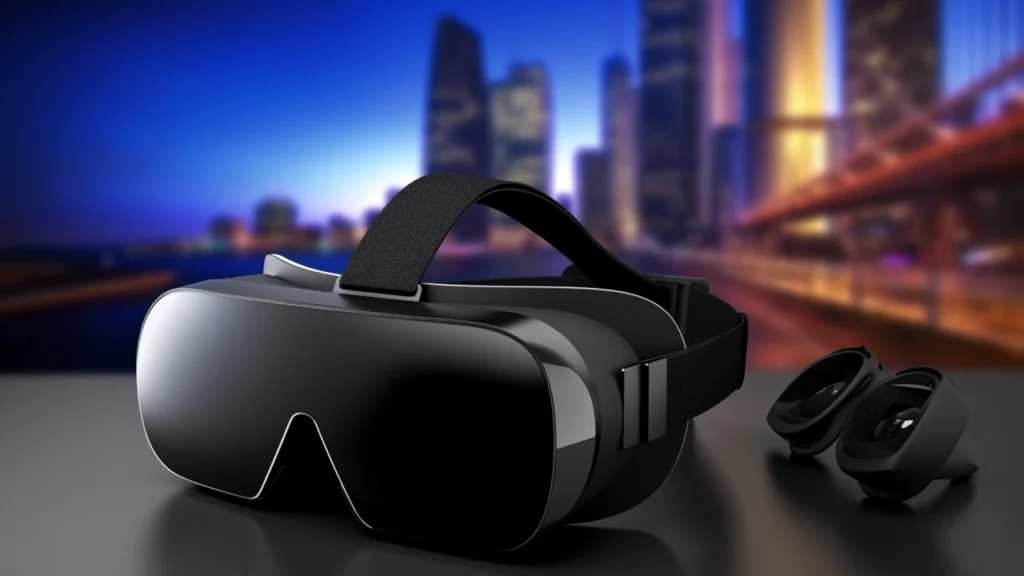
Virtual Reality (VR) fitness has evolved from playful experiments like “Beat Saber” into full-fledged fitness ecosystems. Platforms such as Supernatural, FitXR, and Meta Quest Move transform workouts into immersive adventures – you’re no longer just exercising; you’re exploring.
- Global view: VR headset ownership skyrocketed by nearly 30% from 2023 to 2025. The global VR fitness market now exceeds $10 billion, fueled by home workout trends and younger consumers seeking engaging workouts.
- India’s take: While still new, VR adoption is rising fast in metro cities. Affordable VR headsets (from $300–$500) and tech-savvy Gen Z users are making “digital workouts” a status symbol among urban youth.
If you struggle with workout boredom, VR fitness keeps your mind and body engaged while trimming travel time and costs.
But can these virtual experiences really compete with the motivation of a real gym environment?
2. VR Fitness Motivation vs Gym Energy: Which Keeps You More Consistent?
Traditional gyms have something VR often lacks – human connection. Trainers, workout buddies, and community spirit fuel energy levels that a headset can’t fully replicate (yet). The sound of clanging weights, the high-fives after a set, the friendly competition – they all keep people returning.

- Globally: Surveys show 60% of gym‑goers stay consistent because of social accountability.
- In India: Gyms are social hubs, especially in tier‑1 cities, where fitness doubles as networking. However, for small‑town residents or homemakers, this social edge is often missing due to accessibility or cultural factors.
Still, VR fitness offers a different kind of motivation – instant feedback, gamification, leaderboards, and interactive visuals that trick your brain into forgetting you’re working out. Some VR users report doubling their workout consistency because it feels like fun, not work.
If community drives you, gyms win. If immersive challenge and flexibility excite you, VR fitness delivers.
So, when it comes to actual costs – which one hits the wallet harder?
3. VR Fitness vs. Gym Costs in 2025: Which Is More Affordable for the Middle Class?
Money matters, especially in 2025 when budgets are tighter, and subscriptions pile up. Let’s break it down.
- Traditional gyms:
- Average monthly cost globally: $40–$150, depending on facilities.
- In India, the range is $20-$50 per month in cities.
- Add-ons like personal trainers or supplements increase the bill.
- VR fitness:
- Initial headset investment: $300–$700 (such as Meta Quest 3).
- App subscriptions: roughly $10–$20 per month.
- Works anytime, anywhere – no commute or extra fee per session.
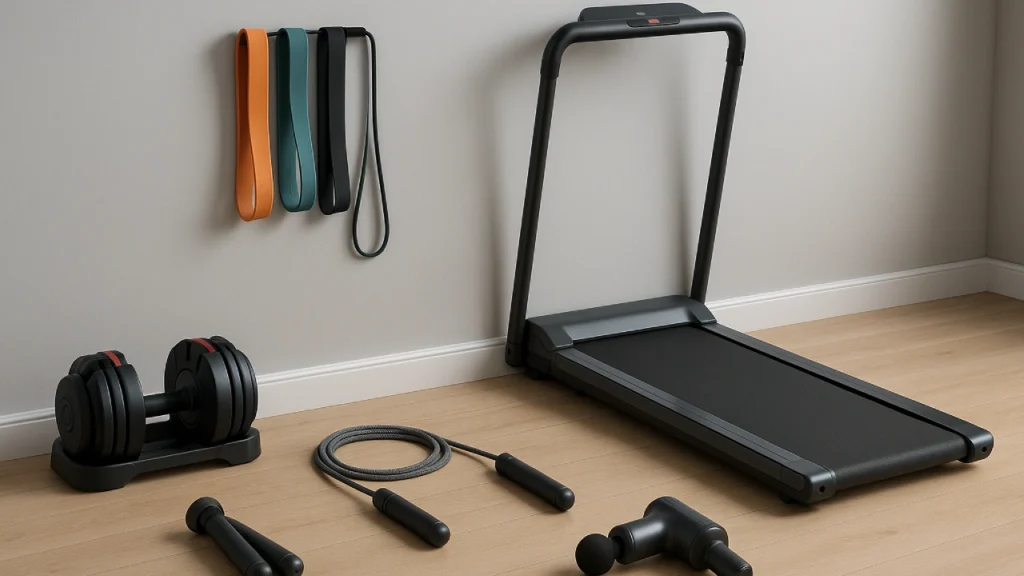
In 12 months, the costs can balance out, meaning by year two, VR fitness starts saving money for consistent users. For middle-class families, that’s significant relief compared to the ongoing costs of gym membership renewals.
But how about accessibility? Not everyone can afford a headset or has space to move around, right?
4. Fitness Accessibility in 2025: Why VR Workouts Are Winning the Convenience Game
Accessibility is where VR pulls ahead – but also where its barriers begin.
- Globally: VR workouts score high for convenience. No traffic, open 24/7, minimal equipment needed. Perfect for remote workers or parents balancing multiple tasks.
- In India, many homes aren’t spacious enough for free movement with a headset. Plus, reliable internet and VR gear availability remain hurdles outside metros.
Gyms, on the other hand, are almost everywhere – even in small neighborhoods – and require no tech literacy. However, they demand time, travel, and social comfort that not everyone enjoys.
VR fitness makes exercise genuinely accessible for time-constrained users. Traditional gyms suit those who prefer structure and external motivation.
But does virtual exercise offer real physical results compared to gym workouts?
5. VR Fitness vs. Gym Health Benefits: Do Virtual Workouts Actually Work?
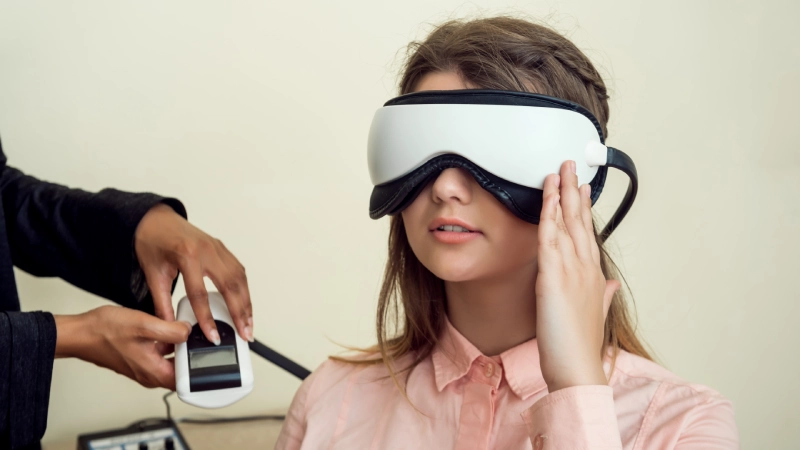
Let’s clear a common myth – VR workouts do burn real calories. Studies from 2024–2025 show that intense VR boxing, dancing, or cardio sessions can burn between 200 and 500 calories per half hour, rivaling treadmill or cycling sessions.
Health experts globally appreciate VR’s ability to engage sedentary individuals who might otherwise skip workouts. However, VR fitness lacks depth in strength training, so users often complement it with bodyweight or resistance exercises.
- In India, users report improved stamina and mental well‑being, especially young professionals who do quick 20‑minute VR sessions after work.
- Globally, companies are even offering VR wellness breaks to help employees combat screen fatigue and boost mental health.
VR’s biggest win lies in consistency. A moderately effective workout done daily beats an intense one skipped often.
Still, can VR fitness truly replace the emotional and social side of fitness culture?
6. Virtual Fitness vs. Real-World Gyms: Can Technology Replace Human Connection?
Gyms give people more than physical benefits – they offer belonging. The local trainer knows your name, the morning regulars share tips, and that human energy builds commitment.
VR fitness is catching up with virtual communities through multiplayer workouts and social “fit clubs,” but they lack the warmth of post‑workout coffee chats or gym friendships.
In countries like India, community relationships in gyms still drive motivation. Meanwhile, in global markets like the US or Europe, where convenience is king, digital fitness culture fits busier lifestyles.
So, what’s the bigger picture here – where is fitness heading next for regular people?

7. The Future of Fitness 2025: Hybrid Workouts Blending VR and Traditional Gyms
By 2025, the healthiest fitness trends are hybrid – blending digital engagement with real‑world connection. Gyms are integrating VR stations; VR apps now include guidance from physical trainers.
For everyday, middle-class people across the globe – whether in New Delhi or New York – the real winner isn’t a gadget or a gym. It’s consistency, access, and enjoyment.
- VR will keep empowering those short on time.
- Gyms will keep thriving for those seeking community.
- The smartest path is personalization – choosing what keeps you moving.
Fitness is no longer about where you work out – it’s about what keeps you inspired, consistent, and healthy within your means.
Conclusion
Both worlds – VR fitness and traditional gyms – now coexist. Whether you’re sweating in a headset or lifting real weights, the real goal is health you can sustain.
So, what do you think? Would you rather work out with a headset in your living room or join your neighborhood gym crew?