

Highlights
- Modular Smartphones are returning in 2025 with a more practical, repair‑first mindset instead of wild, fully swappable “Lego phone” fantasies.
- The big value: replace batteries, cameras, or ports instead of buying a whole new phone, cutting costs and e‑waste.
- The big risk: extra connectors and seams add cost, thickness, and can hurt durability and waterproofing, which slows mass adoption.
- New in 2025: brands are shifting to “focused modularity” (like detachable cameras and easy battery swaps) rather than full modular ecosystems, making the trend more realistic and business‑friendly.
You must have known about:
- Stories about Google’s Project Ara and Motorola’s Moto Mods, which promised fully modular smartphones but failed because ecosystems, logistics, and consumer interest didn’t line up.
- Discussions around sustainability and the “Right to Repair” wave pushed brands to make phones easier to fix, even if they weren’t fully modular.

What’s different now in 2025:
- Modular is less about flashy, interchangeable everything and more about targeted parts that matter for real‑world use: battery, camera, charging port, maybe storage.
- Regulators and eco‑conscious buyers are forcing brands to think in lifecycles, not launch cycles, which makes modularity suddenly strategically interesting again.
Takeaway:
When you talk about modular smartphones today, anchor your content in practical value (repairability, cost savings, sustainability) instead of just “futuristic customization.”
Why Modular Smartphones Are Returning in 2025: Sustainability, Repairability and Upgradable Hardware
Modular smartphones in 2025 are part of a bigger shift: tech buyers are tired of disposable devices and want hardware that lasts, adapts, and doesn’t wreck the planet.
For brands, that creates room to position modularity as both a climate‑friendly and wallet‑friendly feature.
Key drivers bringing modular back:
- Sustainability pressure:
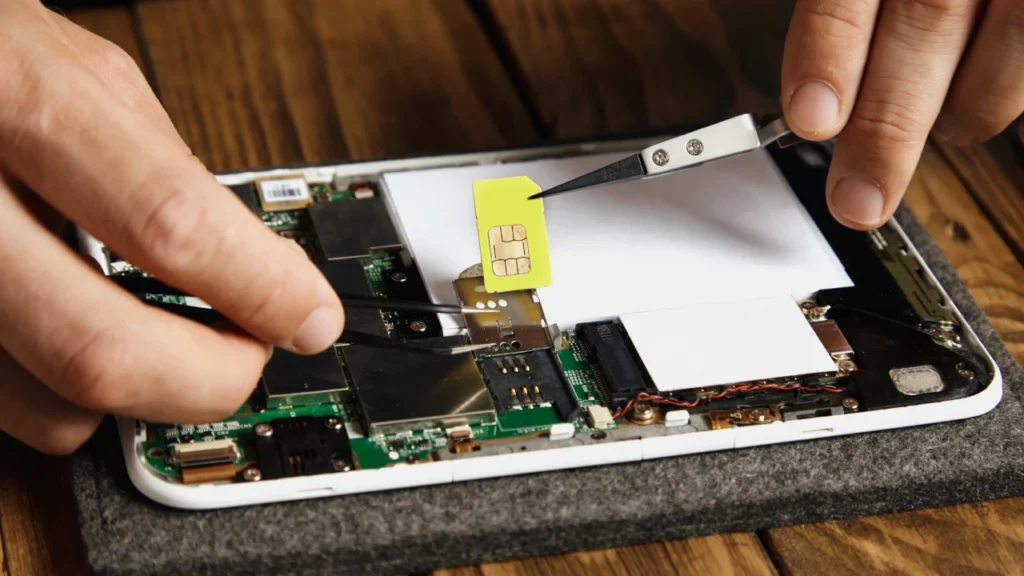
- Modular designs extend device lifespans by letting users swap failing parts instead of replacing the whole phone.
- This directly reduces e‑waste and plays nicely with stricter environmental regulations in the EU and parts of Asia.
- Tech improvements:
- Better compact, high‑speed connectors and stronger magnetic couplings reduce performance loss and make add‑on modules more reliable.
- Smaller, more powerful sensors make detachable camera modules and other add‑ons viable without making phones brick‑thick.
- Consumer expectations:
- Users are getting used to customization from software and accessories, and they want some of that control in hardware too.
- For some segments (creators, travelers, tinkerers), the idea of “upgrade, don’t replace” is emotionally and financially appealing.
Modular and foldable devices together are now seen as part of the “future smartphone” basket, projected to capture a noticeable slice of the market by 2028 if costs drop and durability improves.
TIPS:
A brand could launch a standard phone body plus a “pro creator kit”: detachable camera module + extra battery back + grip, turning one phone into two value propositions.
Modular Smartphone Benefits: Repairability, Upgrade Options and Long‑Term User Control
Modular smartphones shine in exactly the areas most users complain about: batteries dying too fast, broken ports, and cameras aging before the rest of the phone.
Big advantages to highlight in your content:
- Repairability as a feature, not a chore
- Users can replace broken parts (battery, charging port, camera) without needing a full device swap or complex repair shop visit.
- This saves money over time and builds trust in the brand – “they don’t force me to upgrade every two years.”
- Upgrades without FOMO
- As camera sensors improve, users could upgrade just the camera module rather than buying a whole “S‑series‑plus‑plus” phone.
- Power users or enterprise buyers can spec different modules for different roles: more battery for field teams, camera‑focused kits for creators.
- Sustainability and brand story
- Modular design aligns with long‑term sustainability narratives, making it easier for brands to meet environmental goals and talk credibly about responsibility.
- This kind of story resonates strongly with Gen Z and younger audiences, who are skeptical of over‑consumption and planned obsolescence.
TIPS:
Frame modular smartphones as flexible, future‑aware investments instead of gadgets – “your phone evolves with you” is a powerful positioning line for 2025.

Modular Smartphone Challenges: High Costs, Design Trade‑Offs and Mass Adoption Barriers
The reason modular phones aren’t everywhere already is simple: they’re hard to make, hard to standardize, and often more expensive than mainstream slabs.
For most users, that trade‑off still feels risky.
Key challenges to acknowledge honestly:
- Higher engineering and manufacturing costs
- Extra connectors, reinforced frames, and modular bays add parts, steps, and testing overhead.
- Without massive volume, those costs stay high, so modular phones either end up niche‑priced or sacrifice margins.
- Design trade‑offs
- Seams and connectors create potential weak points, making waterproofing and drop resistance tougher to guarantee.
- Devices may become slightly thicker or heavier, which clashes with the “thin, seamless” design trend most consumers still love.
- Ecosystem and network effects
- Project Ara and Moto Mods showed that without a vibrant third‑party ecosystem, modular phones quickly feel limited.
- Developers and accessory makers hesitate to invest if they’re not sure the platform will survive at least 3–5 years.
TIPS:
When positioning modular phones, set expectations clearly – focus on reliability, longevity, and specific use cases instead of promising a universal “build anything” platform.

Focused Modularity in 2025: How Modern Modular Smartphones Beat Old ‘Lego Phone’ Concepts
The biggest update since the earlier articles on our site is the shift from full modularity to focused modularity.
In practice, that means phones that are mostly standard, but with 1–2 smart modular elements that matter.
New directions emerging in 2025:
- Detachable camera systems
- Brands like Xiaomi have explored concept phones with magnetically attachable camera lenses or modules.
- Users carry a slim phone day‑to‑day, then snap on a “pro” lens setup when they need DSLR‑level shots.
- Swappable battery backs and shells
- Some designs treat the back cover as a functional module: more battery, different grip, or extra connectivity, while staying simple to replace.
- This also opens doors for aesthetic customization – limited edition backs, brand collabs, and creator‑designed shells.
- Hybrid modular‑foldable future
- Industry coverage suggests that by 2026–2028, foldable and modular technologies together could take a meaningful chunk of the smartphone market, challenging the default “flat slab” model.
- Think: foldable screen, plus modular camera or battery – premium devices that adapt in both shape and function.
TIPS:
The question is not, “Will modular phones exist?” but “How focused modularity is quietly reshaping upgrades, repairs, and long‑term smartphone ownership?”

Are Modular Smartphones the Future of Phone Upgrades and Long‑Term Ownership?
Modular smartphones are unlikely to replace every standard phone on the shelf, but they are on track to redefine what “upgrading your phone” means over the next few years.
Instead of a full‑device swap every 24 months, modularity allows users to upgrade specific capabilities and keep the core hardware longer, which aligns perfectly with both economic and environmental realities in 2025.
For users, the smart move is to:
- Treat modular smartphones as a strategic niche with growth potential, especially among eco‑conscious users, creators, and power professionals.
- Build messaging around longevity, flexibility, and responsibility, not just specs.
- Watch how early ecosystems (modular cameras, battery backs, pro kits) perform – they’ll signal whether modular upgrades become a standard expectation.
If focused modularity keeps gaining momentum, the “future of hardware upgrades” might look less like buying a new device and more like stacking, swapping, and evolving the one you already own.
Have you ever wished you could just upgrade your phone’s camera or battery without buying a new device?