





Table of Contents
Highlights
- Wearable wellness tech tracks stress, sleep, and mood using physiological signals.
- Heart rate variability and sleep patterns act as key indicators of mental well-being.
- Real-time biofeedback enables users to manage stress proactively.
- Privacy, data ethics, and accuracy remain major adoption challenges.
Mental health has always been a tough area for healthcare to monitor and support. Unlike physical illness, emotional well-being does not necessarily show visible symptoms, thus making early intervention difficult. Nevertheless, in the past few years, wearable wellness technology has become a new instrument that aims to fill this gap by providing continuous and instant feedback on stress, sleep, and emotional regulation.
Technological progress is seen as a partner to traditional mental healthcare, from smartwatches and fitness bands to specialized mental health apps combined with wearable sensors. These tools do not diagnose mental illnesses, but rather inform users about their mental states, thus prompting self-reflection and preventive care at an early stage.
How Wearable Mental Health Technology Works
Wearable wellness devices indirectly assess mental health through physiological signals. The devices do not monitor emotions directly but instead gather data concerning the body’s stress and recovery systems. Heart rate variability, sleep cycles, physical activity, and breathing patterns are among the most common indicators.
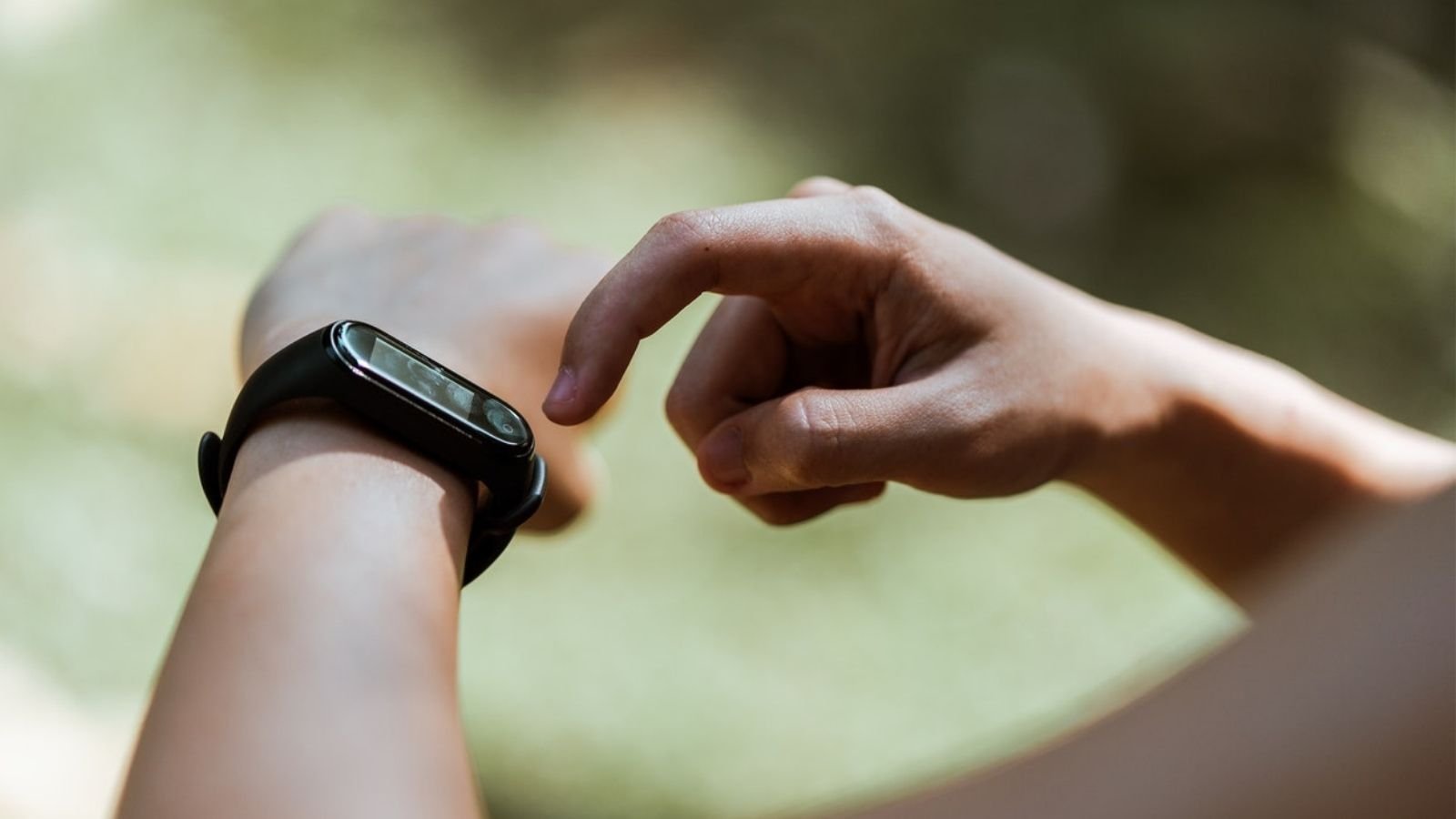
For instance, heart rate variability is an indicator of the nervous system’s reaction to stress and relaxation. Adjustments in sleep length and quality can be signals for emotional strain, burnout, or anxiety.
Wearables, by analyzing these signals continuously, present patterns instead of singular readings, therefore assisting users in recognizing the impact of their daily activities on their mental well-being.
Such a technique favours the long-term over the short-term, thus being able to develop the awareness and support tech as its main role rather than clinical diagnosis.
Tracking the Sleep Pattern and Emotional Health
Sleep is one of the most reliable indicators of mental health; thus, wearable devices have made sleep tracking popular. By tracking the different sleep stages, total sleep time, and the number of times people wake up during the night, wearable devices allow users to find out what stress, anxiety, or mood swings are their main triggers.
People who sleep poorly often suffer from being easily upset, having problems concentrating, and being more stressed. Personalized tips from wearables can persuade users to improve their sleeping habits by making necessary changes to their daily routines, such as cutting down on night-time screen time or setting a regular sleep schedule.

For people with anxiety or depression, these insights may act as early warning signs, and they may therefore change their lifestyle or seek professional help before the problem becomes serious.
Stress Detection and Biofeedback
Nowadays, a lot of the modern wearables come with a stress-tracking feature that monitors and examines the physiological responses of the users throughout the course of daily activities. The heart rate being too high, the heart rate variability being too low, and the breathing patterns becoming irregular can all be considered as signals indicating the presence of stress.
There are some devices that offer even more functionality by providing users with guided breathing exercises or mindfulness prompts when they are under stress. The purpose of these real-time interventions is primarily to assist the users in regulating their nervous systems instead of just logging the data.
Biofeedback-based approach helps people not only to know about stress but also to get actively involved in dealing with it by using their body’s reactions as a guide.
Mood Tracking and Mental Health Apps
To enhance the hardware aspect, mental wellness wearables very often coordinate with mobile apps that let users track their mood, emotion, and trigger logging. The combination of subjective self-reports and objective physiological data from these apps provides a more accurate and comprehensive view of mental wellness.

Users generally have the opportunity through the mood tracking functions to:
- Document their emotional states all through the day
- Pinpoint the stressors or emotional patterns that recur
- Relate the mood variations to sleep, activity, or stress data
Gradually, these insights can empower the users to identify their emotional cycles and get a clearer understanding of their mental health rhythms.
Wearables as Support Tools, Not Replacements
Distinguishing between mental health support and mental health treatment is very significant. The wearable wellness technology can support self-awareness and cannot replace therapy, medication, or professional diagnosis.
For a large number of users, wearables serve the purpose of connecting their everyday life with professional care.
They give concrete evidence that can aid people in expressing their emotions and realizing when they might need additional help.
Mental health experts more and more recognizing the positive role such tools can play if they are applied with caution and as a supplement to the existing treatment methods.
Accessibility and Everyday Use
One of the advantages of wearable wellness technology is its broad reach. In contrast to conventional mental health evaluations that involve setting up appointments and going through evaluations, wearables are operating constantly in the background of life.

The users who find these devices particularly handy include:
- People who are under chronic stress
- Learners who are under academic pressure
- Workers who have burnout
- Customers looking for proactive mental wellness strategies
Given that wearables are usually subtle and common, they make it easier to talk about mental health support.
Privacy and Ethical Concerns
Mental health-related data collection is one of the main issues when it comes to privacy. The use of wearables gives access to very private data on emotional conditions, patterns of sleep, and stress responses that could be unethical if the right measures are not taken to protect it.
The most important ethical issues to deal with are:
- Ownership of the data, along with consent
- The possibility of employers or insurers misusing the data
- Data processing is being done without the users knowing
- Over-dependence on automated insights is a risk
If not backed by robust data protection laws and user control that is easy to understand, wearable wellness technology will lose people’s trust.
Accuracy and Limitations
In spite of the fact that wearable devices are becoming more and more advanced, they cannot be regarded as perfect. The signals could be misinterpreted as being from a mentally ill person when the person is just sick, having coffee, or the environment is too hot or cold for them.

When this happens, it could lead to a wrong diagnosis or misleading interpretation, which may, in turn, bring in unwarranted anxiety or false reassurance. All this emphasizes the need to regard wearable insights as signs and not as absolute conclusions. Education, context, and awareness of limitations are all factors that responsible usage depends on.
The Growing Role of AI and Personalisation
Artificial intelligence is increasingly taking over the mental wellness wearables section, where it does this by analyzing huge data sets to provide personalized insights. The recommendation is changed universally for each user; in that, machine learning algorithms can improve and get more relevant over time based on individual patterns.
User are getting personalized alerts, breathing exercises that are specifically for them, and wellness suggestions that have their mental health data in a more meaningful way. But still, the enhanced personalisation also brings greater risk concerning privacy, which makes the use of AI-managing techniques in smarter ways a necessity.
Future Directions in Mental Health Wearables
Wearable mental health tools are likely to be more integrated, predictive, and preventive types of devices as technology continues to advance. The coming innovations might be of fuller stress detection, better emotional modelling, and more successful interlinking with professional care systems.

On the other hand, the regulatory monitoring and the ethical frameworks will be very powerful factors that will guide the way these tools will develop. It is up to the developers to decide if multifunctional wearable wellness systems are here to stay or if they are just a phase during which the tech will be considered a nuisance.
Conclusion
The introduction of wearable wellness technology has brought about a huge change in the mental health monitoring and support area. These devices, which keep track of stress, sleep, and other bodily responses, give the users the power to know better their emotional state and to take the right actions in order to get the balance they want.
Nevertheless, the use of wearables does not mean that the problems are solved. The users are hooked on awareness, and the wearables’ value is in those three categories — reflection and support, not diagnosis or treatment. If wearable mental health tech is used wisely and morally, it can enhance traditional treatment, lessen the stigma, and foster healthier relations with one’s mental state.
The continuous growth of interest in mental health will guarantee that wearable technology will always be an important and gradually changing part of the discussion—the one that offers insights, not answers, and support, not substitutes.
