





Table of Contents
Highlights
- Smart homes are now high-value cyber targets, with insecure routers and IoT devices increasingly exploited for massive botnet-powered DDoS attacks.
- Clear IoT security labels and standards in 2025 make it easier for consumers to choose safer smart devices with secure defaults, updates, and privacy protection.
- AI-powered routers and platforms now defend homes automatically, using anomaly detection, encrypted connections, and router-level threat blocking to secure connected devices.
Cybersecurity for home IoT in 2025 is all about doing the basics really well (passwords, updates, networks) and then layering in newer protections like device labels, router-level security, and privacy‑by‑design devices.

Smart Home Devices as High‑Risk Cyber Attack Surfaces (Not Just Cool Gadgets)
You probably have focused on the obvious basics in your life:
- “Change default passwords.”
- “Don’t expose your camera feeds.”
- “Keep your Wi‑Fi locked down.”
Those tips still matter, but 2025 data makes something very clear: the smart home itself has become a frontline in global cyberattacks. One major 2025 incident used huge numbers of compromised home routers to fuel a DDoS attack exceeding 22 terabits per second, proving that a single cheap, insecure device can help knock parts of the internet offline.
What’s new now vs the older:
- Shift from “someone might spy on your baby monitor” to “your home devices can help power global‑scale attacks if left open.”
- Greater emphasis on router and gateway security as the first line of defense, not just the devices themselves.
TIP:
Treat your router like the “front door lock” of your digital house:
- Replace very old ISP routers with modern, security‑focused models where possible.
- Turn on automatic firmware updates and built‑in threat‑protection features if your router offers them.
IoT Security Labels and Standards: How to Buy Safer Smart Home Devices in 2025
You must have come across generic advice like “buy from reputable brands” or “look for devices that support updates.”
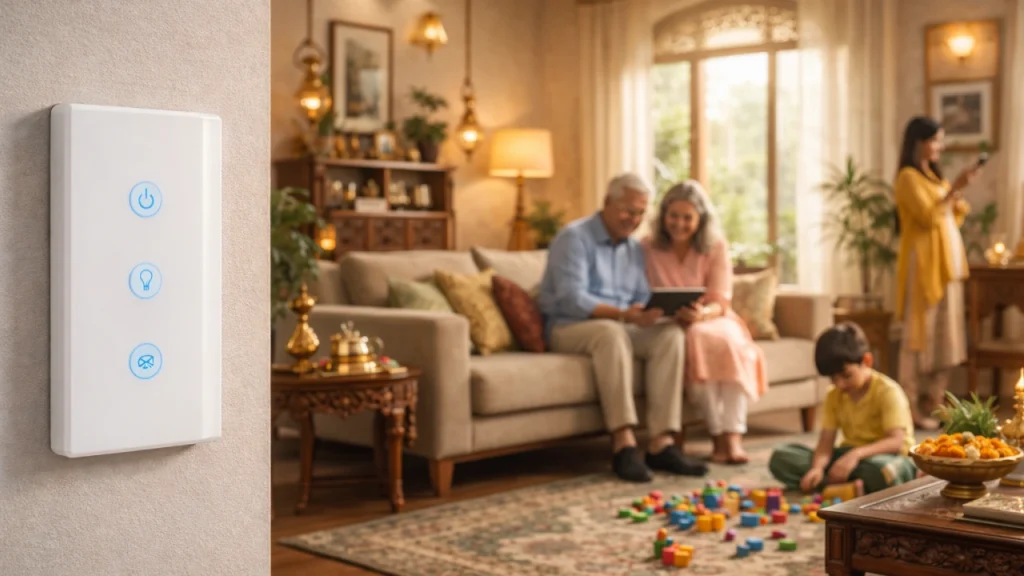
That was good guidance at one point in time, but the ecosystem has matured. Today, there is a much stronger push toward formal standards and visible security labels for consumer IoT. Updated documents, such as the 2024 version of ETSI EN 303 645, plus emerging assessment schemes and labeling programs in regions like Europe and Japan, set baseline requirements for:
- Secure default settings and credentials.
- Safe update mechanisms (including automatic updates).
- Data protection and privacy controls for connected products.
Some schemes are even being positioned so that a security label becomes a requirement for government or critical‑infrastructure purchasing, which eventually filters down to consumer expectations.
What’s new now vs the older:
- You can now talk about concrete standards rather than just vague best practices.
- Security labels and conformity schemes give non‑technical homeowners a way to compare devices beyond just price and features.
TIPS:
When you or your readers shop for smart locks, cameras, or appliances, encourage them to:
- Look for mention of recognized security standards or certifications on product pages.
- Prefer devices that clearly state they support long‑term security updates and have transparent privacy policies.
Secure Routers and Smart Platforms: Built‑In Protection for Your Home IoT Network
You might have thought that network segmentation and guest networks are the “pro tips” for more advanced users. Those still matter, but the industry side has started doing more of the security work for the average person.
Modern home platforms and appliances increasingly embed security at multiple layers:
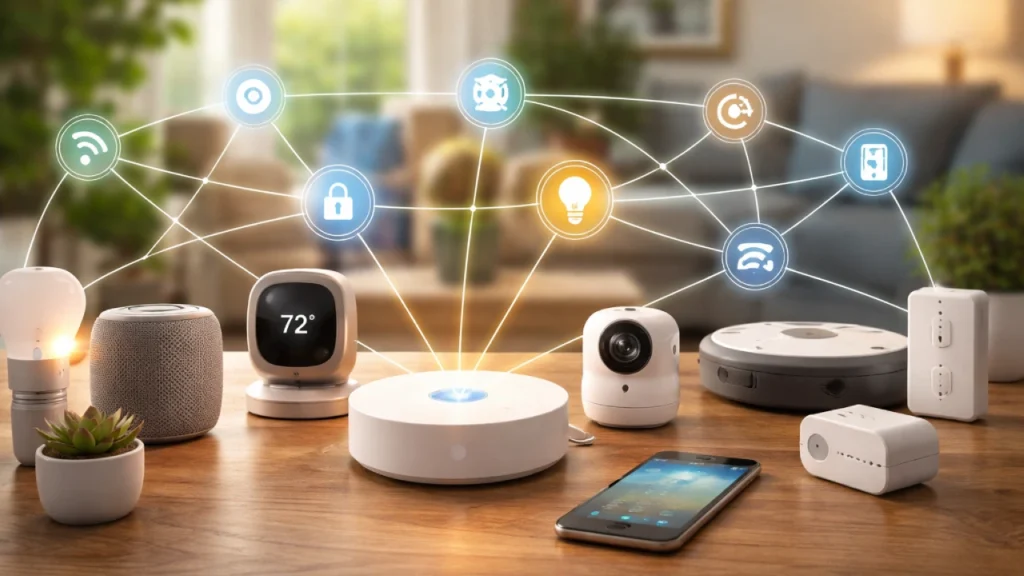
- Automatic use of strong Wi‑Fi encryption (WPA2/WPA3) without complex user setup.
- Encrypted connections between device, app, and cloud, reducing the risk of eavesdropping.
- Over‑the‑air updates for not just bug fixes but also new security features and mitigations.
- Router‑level threat protection that detects and blocks suspicious traffic from IoT devices.
GE Appliances’ SmartHQ ecosystem is a good example of this“security in the background,” earning high‑level IoT security ratings year after year while updating hundreds of models remotely.
What’s new now vs the older:
- You can position network‑edge protection (from the router/platform) as mainstream, not just enterprise‑grade.
- The feeling has shifted from “you must manually harden everything” to “choose ecosystems that harden themselves for you.”
TIPS:
For a safer smart home in 2025 and beyond, recommend that readers:
- Use a router or mesh system that explicitly advertises IoT threat protection and automatic security updates.
- Regularly open the companion app or web dashboard to review blocked threats and update prompts.
AI‑Powered Smart Home Security: Fighting Automated IoT Attacks with Intelligent Defense
It is highly likely that you would describe IoT threats in terms of simple malware or default password scans. Today, the story is much more about automation vs automation.
On the defensive side, AI and machine learning now help:
- Detects unusual network behavior from smart devices that might signal compromise.
- Anticipate device‑level attacks across fleets, enabling earlier intervention.
At the same time, threat actors are using similar tools to:

- Rapidly scan for exposed or misconfigured devices.
- Generate more effective, automated exploit campaigns at scale.
What’s new now vs the older:
- The narrative moves from simple scripted attacks to AI‑assisted cat‑and‑mouse between attackers and defenders.
- You can connect IoT security to broader AI conversations your readers are already seeing in marketing, content, and analytics.
TIPS:
Help readers understand that “smart security” needs smart configuration:
- Turn on anomaly‑detection, intrusion‑prevention, and security‑insight features in their router or security app, instead of leaving them at the default off.
- Regularly review security alerts rather than ignoring notifications until something breaks.
Why Smart Home Cybersecurity in 2025 Matters for Every Young Marketer and Business Owner
If till now, all you have known is how to get started with basic smart‑home security, the 2025 landscape shows why it is no longer optional housekeeping but a core part of running a modern, connected home. The stakes have grown from“my camera might get hacked” to“my whole network could fuel a massive attack,” but, thankfully, device makers, standards bodies, and router vendors are finally stepping up with better defaults and clearer labels.
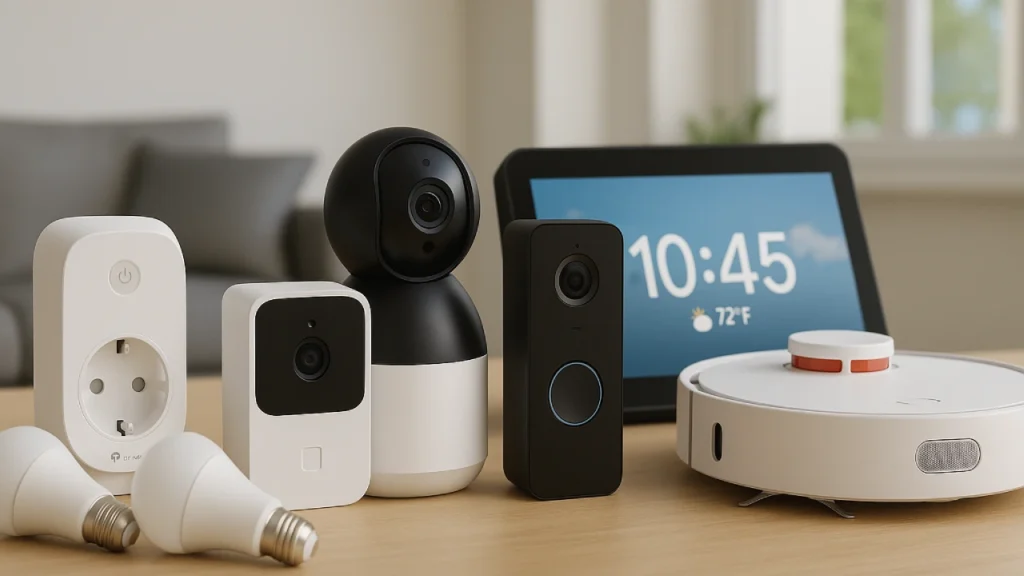
For people from all walks of life, that shift is a story worth telling: the same mindset used to protect brand data and customer analytics now belongs in the living room, kitchen, and home office too. Talk about smart locks, fridges, and voice assistants as part of your overall risk surface, not as harmless gadgets, and show your audience how small, intentional choices—choosing labeled devices, enabling automatic updates, using secure routers—add up to a safer, smarter home. So, which smart‑home device do you worry about the most?
