





Table of Contents
Highlights
- smart alarm clocks are redefining how people wake up using AI, sound therapy, and sleep tracking.
- From sunrise lighting to adaptive wake-up tones, smart alarms aim to support healthier mornings.
- We tested which smart alarms genuinely help users wake up refreshed—not just snooze smarter.
- AI, automation, and thoughtful design are reshaping the global morning routine.
It’s 7:15 a.m. The kettle is already cold, notifications are piling up, and the day feels rushed before it even begins. You skip breakfast, promise yourself you’ll slow down tomorrow, and step into a routine that feels exhausting before it truly starts.
This is the daily reality for millions of people across the world.
And now, surprisingly, a new category of devices claims it can change that: smart alarm clocks—designed not just to wake you up, but to wake you up better.
But do they actually improve mornings, or are they just another smart gadget on the nightstand?
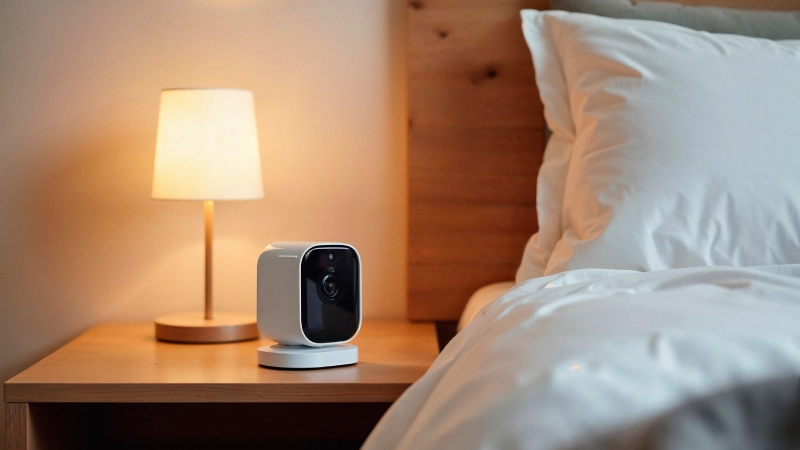
Why Traditional Alarms Fail (And Our Brains Push Back)
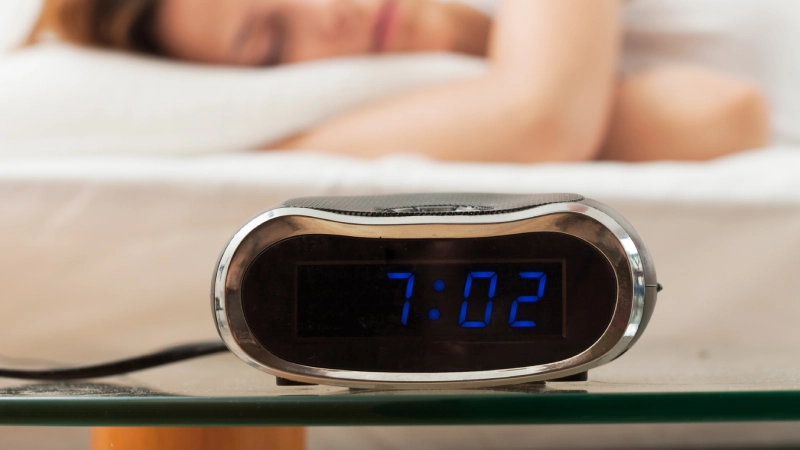
Your standard phone alarm doesn’t care whether you’re in deep sleep or light sleep. It simply goes off—loud, abrupt, and biologically disruptive.
Your heart rate spikes. Stress hormones surge. You wake up feeling disoriented.
This is why most people hit snooze. It’s not laziness—it’s biology. Research shows that interrupting deep sleep worsens sleep inertia, the foggy state that can last 20–30 minutes after waking.
Smartphones make this worse. Blue light, notifications, and instant stimulation hijack your attention before your body is ready.
So if the problem starts with how we wake up, can technology help us wake more naturally instead of shocking us awake?
The Rise of Smart Alarm Clocks
Smart alarm clocks work differently. Instead of forcing a fixed wake-up moment, they analyze sleep patterns and wake users during lighter sleep stages—within a preset window.
Think of them as personalized wake-up systems rather than alarms.
Globally recognized products such as Hatch Restore, Philips SmartSleep, Lenovo Smart Clock, and newer minimalist designs now combine:
- AI-powered sleep tracking
- Gradual light-based wake-up (sunrise simulation)
- Adaptive sound therapy
- Integration with wearables and smart homes
Instead of loud beeps, users wake up to gentle light, calming tones, or subtle environmental cues.
But is paying extra for a clock really worth it?
Affordability Meets Modern Wellness
For years, alarm clocks were simple and cheap. Smart alarms initially felt unnecessary—luxury devices for tech enthusiasts.
That perception is changing.
Post-pandemic wellness awareness, hybrid work schedules, and burnout have pushed sleep quality into everyday conversations. Sleep wellness is no longer niche—it’s mainstream.
As a result, smart alarms have become more accessible. Many newer models now offer AI wake-up features, white noise libraries, motion-based alarms, and touch-free controls at increasingly affordable prices.
The question is no longer “Do smart alarms exist?”
It’s “Which ones actually work?”

Testing What “Smart” Really Means
| Model | Key Strengths |
| Lenovo Smart Clock 2 | Voice assistant support, sunrise lighting, wireless charging |
| Philips SmartSleep HF3520 | Clinically tested light-based wake-up for natural mornings |
| Wearable-linked Smart Alarms | Sleep-stage-based alarms using motion and heart-rate data |
The difference is subtle—but real.
You wake up aware, not startled.
Still, can technology really replace discipline?
When AI Understands Your Sleep Patterns
This is where smart alarms become genuinely compelling.
Using pattern recognition, AI systems learn when you naturally exit REM or light sleep phases. Some models adjust alarms dynamically based on restless nights, ambient noise, or sleep interruptions.
Advanced systems can even:
- Delay or advance wake-up times slightly
- Soften alarm tones after poor sleep
- Recommend earlier rest schedules
In short, they adapt to you.
But does adding more tech defeat the purpose of calmer mornings?

The “Tech-Free Morning” Paradox
Ironically, many people buy smart alarms to reduce phone dependency—yet some smart clocks introduce screens, assistants, and internet feeds.
To counter this, newer designs are shifting toward screen-free intelligence.
Emerging concepts focus on:
- Light-only alarms
- Gentle vibrations
- Ambient soundscapes
- Even scent-based wake-up cues
The goal is simple: wake the body without overstimulating the mind.
This reflects a growing global trend where wellness, automation, and sensory design intersect.
What Sleep Science Actually Supports
According to sleep specialists worldwide, no alarm can compensate for poor sleep habits. But smart alarms can support better routines.
The science points to three essentials:
- Consistency
- Gradual stimulation
- Reduced stress cues upon waking
In other words, smart alarms work best when paired with healthy sleep behavior—not as magic fixes.
For many users, the ideal setup is hybrid: a wearable for sleep tracking paired with a simple sunrise alarm.
The Future of Waking Up
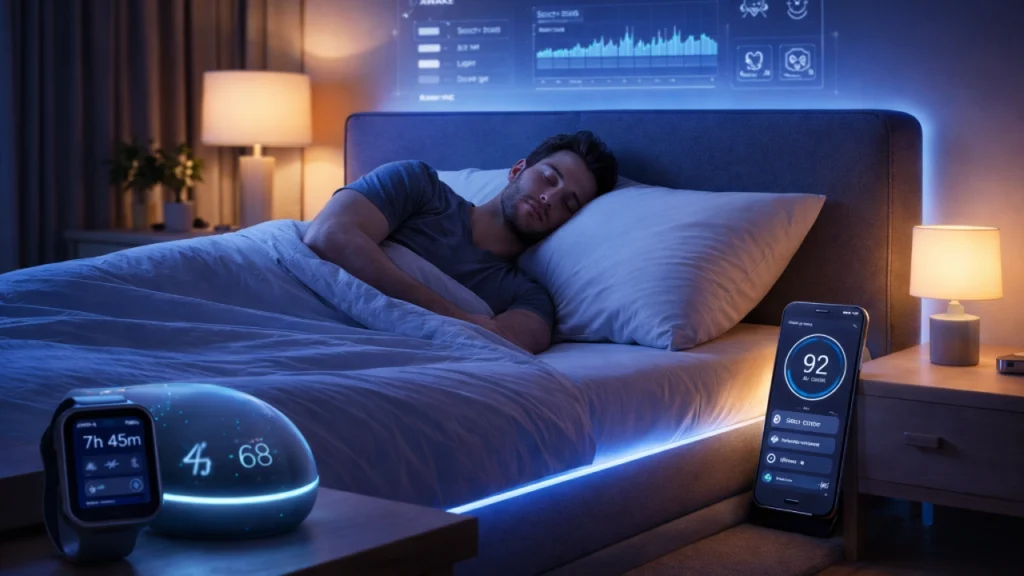
Smart alarm clocks are steadily becoming part of broader ecosystems—integrated with wearables, smart lighting, and AI assistants.
As on-device AI improves, future alarms may rely less on cloud data, offering better privacy, faster responses, and more personalization.
The long-term shift is clear: waking up will no longer mean abrupt noise—but intentional transitions into the day.
Conclusion
From light-based wake-ups to AI-driven sleep insights, smart alarm clocks are quietly redefining mornings worldwide.
The best smart alarm isn’t the loudest or most connected—it’s the one that respects your body’s rhythm and fits your lifestyle.
Because ultimately, the smartest alarm isn’t about waking up earlier.
It’s about waking up better.
