




Table of Contents
Highlights
- Digital identity tools aim to transfer personal data control back to users, away from centralized platforms.
- Blockchain-based and decentralized identity systems reduce single points of failure and enhance privacy.
- Self-sovereign identity lets users store and share credentials securely via digital wallets.
- Privacy tools like encrypted messaging and secure browsers complement identity systems to protect user data.
With the entire life going online, personal data has become one of the most sought-after resources in the digital economy. Users have to share more and more personal information, starting from social media accounts and online banking, to accessing government and healthcare services, just to be part of modern society. However, the user data is often under the control of the very corporations and institutions that collect it for processing and monetizing purposes.
In light of the concerns about surveillance, data breaches, and the misuse of personal information, a whole new generation of digital rights and privacy tools is coming into being. Among them are decentralized identity systems, blockchain-based IDs, and user-controlled data platforms that are designed to give ownership and agency back to individuals.
Understanding Digital Identity in the Modern World
A digital identity is much more than just a username and password. It is a collection of attributes like name, age, location, biometric data, and credentials that represent a person online. Typically, these identities are handled by centralized platforms, which means users need to put their trust in the organizations to manage their data and security properly.

The centralized system has many disadvantages. Large databases are considered to be vulnerable and may become an easy target for cyberattacks. Moreover, users are often kept in the dark about the ways their information is being used, shared, or sold.
When data becomes public or is misused, the people affected have only a few limited options for their actions. The digital rights instruments intend to fix these flaws in the system by completely revamping the identity frameworks.
What Are Blockchain-Based and Decentralized IDs?
Identity systems based on blockchain are not reliant on central authorities but rather on decentralized networks. These systems not only do not store personal data in a single big database but also distribute verification across a network, which results in the reduction of single points of failure.
In a lot of the decentralized identity scenarios, the users keep their credentials in digital wallets and decide when and with whom to divulge certain information. A case in point is when a user can prove that he or she has crossed a certain age limit without the need to disclose their exact birth date. This kind of disclosure among users is a big change from the conventional identity verification methods.

The use of blockchain technology enables this scenario by providing a system where only tamper-proof, transparent, and verifiable records are available, and still, the sensitive data is never exposed.
Data Ownership and Self-Sovereign Identity
The self-sovereign identity concept stands at the center of decentralized identity systems. The method regards personal information as something that belongs to and is under the control of the individual, not the platforms or governments.
With this approach, users can:
- Securely keep their credentials in personal digital wallets
- Allow or restrict access to particular data points
- Depend less on third-party identity providers
Self-sovereign identity questions the traditional view that to participate in the digital world, one must give up their personal data to the intermediaries.
Privacy Tools Beyond Identity Systems
Digital rights tools cover a wider area than just identity management. Privacy-centered technologies are not only dealing with user control and data protection but also with their communication, browsing, and financial transactions.
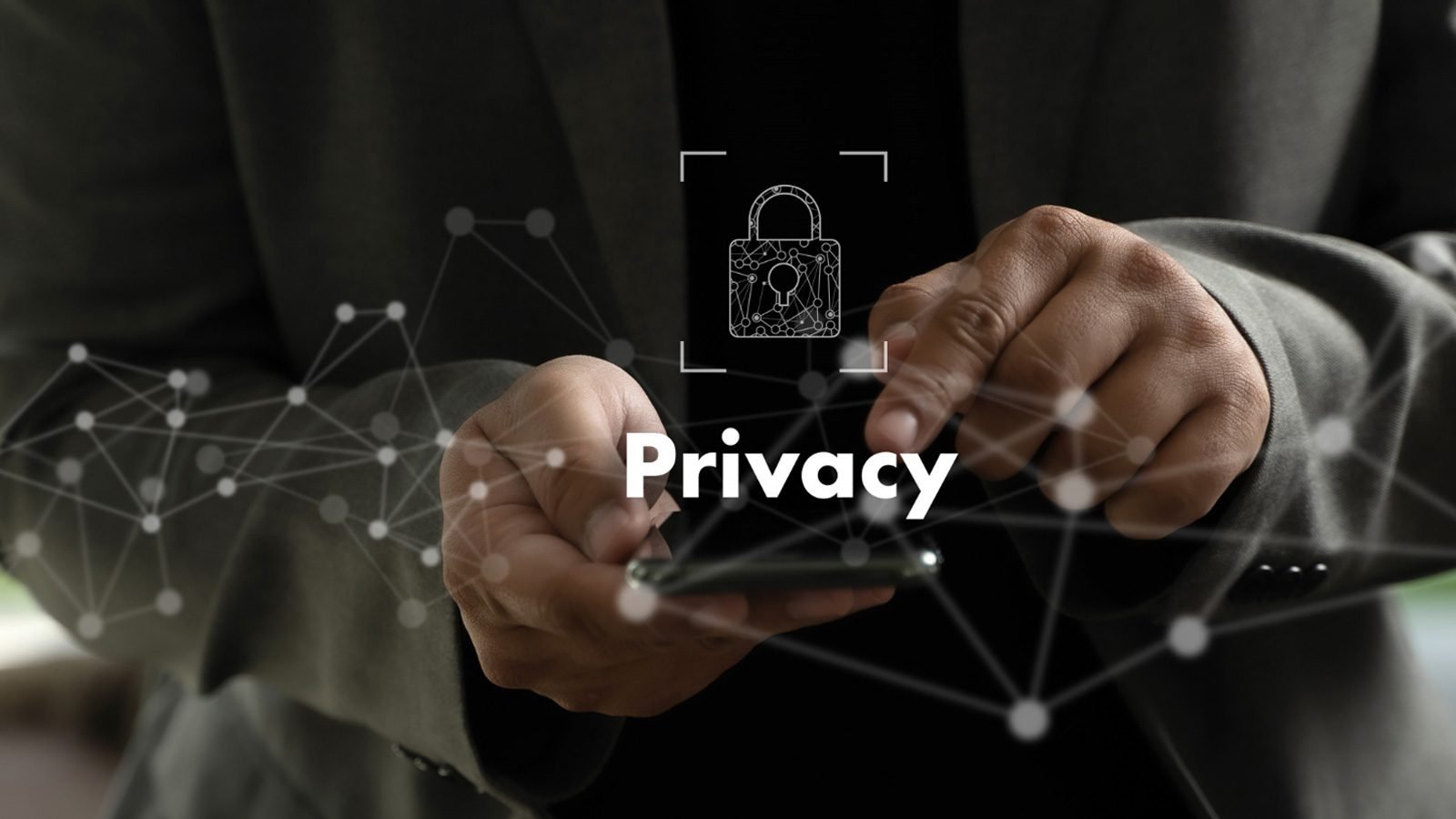
Encrypted messaging apps, privacy-centric web browsers, and VPNs are the main tools that assist individuals to a great extent in tracking and monitoring. The collection of data is the prime objective of these tools, instead of simply handling data after it has been collected.
To put it another way, the identity solutions and privacy technologies together create a deeper ecosystem that is meant to give power to the users in the ever-watching digital world.
The Role of Blockchain in Trust and Transparency
The digital rights tools involving blockchain technology mainly rely on the assurance of trust without a central power. If a transaction is made or a verification is done in a blockchain network, it is recorded in a distributed ledger that allows everyone in the network to know who the rightful owner is without going through a single person.
This method not only increases openness but also cuts down on the chances of data tampering. Nevertheless, blockchain technology itself is not an automatic privacy solution. It is very important to develop proper systems so that no sensitive information gets leaked out and remains on public ledgers forever.

Problems and Limitations
To the extent, decentralized identity and privacy tools are expected to be the future, they nevertheless have to face several very significant problems. The adoption of the solutions is still very limited, as most of the systems require a high level of technical understanding and an advanced infrastructure that not all users can have access to. These tools run the risk of being niche solutions if governments, financial institutions, and service providers do not accept them widely.
Moreover, the following issues are being debated:
- Users are losing access due to the mismanagement of digital wallets
- Legitimacy of decentralized credentials
- Cooperation among different identity systems
- The digital divide is cutting off less tech-savvy groups
Finding the right spot between innovation and inclusiveness is still a daunting challenge.
Regulation, Governance, and Accountability
The digital rights tools encounter their use case in very complicated regulatory environments. The authorities must strike the right balance between privacy protection and the needs of security, fraud prevention, and law enforcement. This situation leads to a conflict between decentralized identity systems and the legal frameworks that are currently in place.
It is indispensable to have well-defined governance structures to prevent the abuse of power, ensure accountability, and protect the users from becoming victims of exploitation. Decentralization alone cannot lead to ethical outcomes if there is no supervision. The fates of digital rights technologies are intertwined with the cooperation among the technologists, the policymakers, and the civil society.
Why Digital Rights Matter to Users in Their Day-to-Day Lives
Digital rights instruments are not solely for privacy campaigners or tech-savvy people. They have a daily life impact, and the everyday user can find them beneficial.
Identity managed by users can make verification faster, safer, and more convenient by eliminating the need for collecting the same data from the same customers. Personal privacy gadgets can keep a person isolated from unwanted surveillance, categorisation, and control.
Controlling personal information in the digital world is becoming more of a right and liberty issue as online interactions proliferate.
The Future of User-Centric Digital Identity
The destiny of digital rights and privacy tools will probably be an evolution rather than a revolution. There will be tech hybrids that come up with the merging of decentralized technologies along with existing ones for securing compliance and stability.
Education will play a vital role. In order for users to gain from these tools, they have to know how to take care of their digital identities in a safe and responsible way.
The more people are informed, the more likely it is that institutions will come under pressure to install privacy-respecting technologies.

Conclusion
Digital rights and privacy tools have changed the way identity and personal data are processed on the internet. The use of decentralised systems, blockchain technology, and user-controlled frameworks has not only supported these tools but also posed a challenge to the outdated models of data ownership and surveillance.
The technical, regulatory, and adoption challenges are there, but the basic thought is still a strong one: people should have a real say in the usage of their data. User autonomy protection is not a choice anymore — it is a necessity as digital life integrates more and more with daily life.
Digital rights tools development will not only influence technology but also the power relation between users and the systems they rely on.
