





Table of Contents
Highlights
- 3D-Printed Gadgets in 2026 are evolving from hobby projects into practical everyday tools, helping homes and small businesses save time, money, and downtime.
- 3D printing has quietly moved from “maker toy” to a growing multi‑billion‑dollar personal and professional market, not just a weekend hobby anymore.
- Hobby printing is still huge—figurines, fidget toys, cosplay parts—but many hobbyists now slide into side‑hustles or product prototyping.
- As of 2026, better materials, AI‑assisted design, and cheaper printers are making it easier to go from “idea in your head” to “physical gadget” in a single day.
You will likely have seen 3D printing framed as:
- A futuristic “maker” skill mainly for tech enthusiasts and DIY tinkerers.
- Something used mostly for prototypes, toys, and decorative prints rather than everyday tools.
- A niche add‑on for brands, like printing custom swag or a one‑off display piece.
The update now: personal 3D printers are becoming serious tools.
The personal 3D printer market was valued at about 2.46 billion USD in 2024 and is projected to reach 6.84 billion USD by 2032, driven by households and small businesses using them for real products, not just fun prints.
At the same time, the wider 3D‑printing industry in North America alone hit around 8.61 billion USD in 2024 and is expected to keep growing at roughly 18.6% CAGR into the 2030s, showing how mainstream the tech is becoming.
Practical 3D‑Printed Gadgets That Save Time and Money in 2026
For young marketers and business owners, “practical” means: does this thing save you time, money, or stress? A lot of 3D‑printed gadgets clear that bar easily.
Every day, 3D‑Printed Office and Home Organizers That Boost Productivity
Simple prints like phone stands, cable clips, drawer organizers, and hooks are some of the most common practical gadgets.
They’re fast to print, cheap, and can be customized to your exact space—like a monitor stand cut to your desk height, or a cable channel that matches the curve of your wall.
Real‑world example
- A home‑office user can print:
- A laptop riser sized to their specific keyboard layout
- A phone stand with a perfect notch for a thick case
- A desk organizer with slots for exactly the pens, SD cards, and dongles they own
Takeaway:
If you run a small team or work from a cramped space, 3D printing is practical for hyper‑custom organizers and mounts that you’d never find on Amazon—especially when you need “just one” and buying a product line doesn’t make sense.
3D‑Printed Replacement Parts: Cut Repair Costs and Eliminate Downtime
This is where 3D printing starts paying for itself. People regularly print replacement clips for dishwashers, knobs for washers, fridge shelf brackets, small furniture components, and broken plastic latches that are expensive or impossible to source.
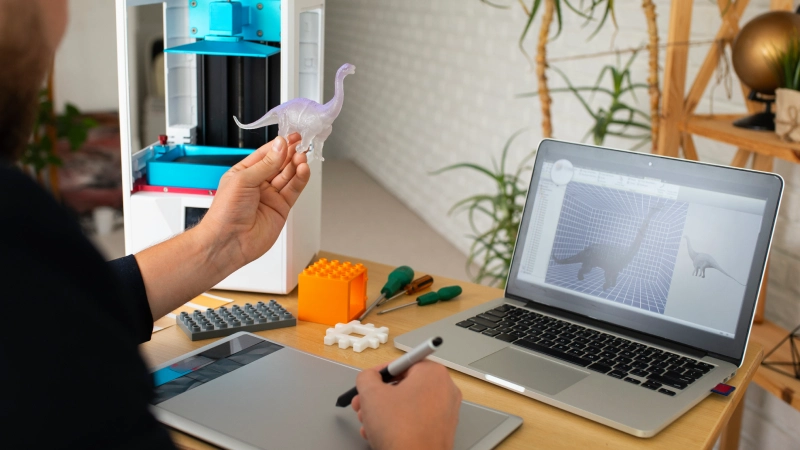
Instead of replacing a whole appliance or waiting weeks for a spare part, a small printed piece can restore function in hours. Materials like stronger PLA or PETG give enough durability for many household applications.
Real‑world example
- A cafe owner with a broken espresso machine clip or a loose POS terminal bracket can:
- Model or download a replacement
- Print it the same day
- Avoid service calls and downtime
Takeaway:
If downtime costs you money, a 3D printer quickly turns from “toy” into a micro‑maintenance department that keeps fixtures, stands, displays, and small mechanisms alive longer.
Custom 3D‑Printed Kitchen and Lifestyle Gadgets for Brands and Creators
Kitchen tools are another big “practical” zone. People print measuring spoons with non‑standard sizes, pantry organizers that perfectly match their shelves, spice racks sized to specific jars, and utensil holders that fit tight spaces.
These prints usually aren’t glamorous, but they quietly fix annoyances—like that one weird drawer that never fits store‑bought organizers.
Real‑world example
- A food content creator or café can print:
- Custom molds for branding chocolate or ice cubes
- Clip‑on labels that snap to jars or shelf edges
- Phone mounts for shooting top‑down recipe videos
Takeaway:
For brands in food, home, or lifestyle, 3D‑printed gadgets work as low‑cost workflow optimizers and as on‑brand custom props in photos, Reels, or TikToks.
3D‑Printed Phone, Tablet, and Camera Mounts for Content Creators
Phone cases, stands, tablet holders, wall mounts for smart speakers, and cable organizers are classic 3D‑printed gadgets. The difference now is how tailored they can be: stands with exact cutouts for ports, adjustable angles for video calls, or built‑in cable channels for clean setups.
Real‑world example
- A small studio or agency prints:
- A camera/phone rig bracket for vertical video
- Mounts that clamp lights onto shelves instead of buying new tripods
- A branded headset stands for each desk
Takeaway:
If you’re shooting content or running a minimal‑budget office, smart use of a 3D printer can replace a surprising amount of cheap plastic gear while letting you brand and tailor everything.
Rapid 3D‑Printed Prototypes for New Products and Marketing Campaigns
One of the biggest shifts since those earlier “intro to 3D printing” articles is how normal it has become to prototype a product in a single day.
Hobbyists and indie creators routinely go from idea sketch to CAD design to a physical prototype they can hold before lunch.
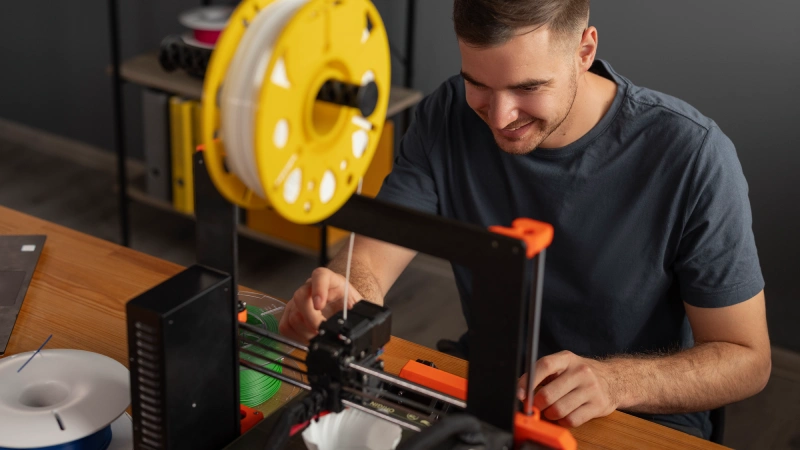
Teams use this to:
- Validate ergonomics (how something feels in the hand)
- Test assembly and tolerances
- Show clients a rough but physical version during pitch meetings
Real‑world example
- A small DTC brand:
- Prototypes a new bottle cap, phone grip, or desk gadget
- Tests it internally or with a small customer cohort
- Iterates overnight and reprints multiple times that week
Takeaway:
For people, 3D printing turns “let’s imagine this” into “let’s hold this” early in the campaign or product cycle, making creative testing faster and cheaper.
When 3D Printing Is Just a Hobby (And Why That’s Still Valuable)
Hobby isn’t a bad word. It’s just about intent: you’re printing because it’s fun, not because it’s strictly efficient.
3D‑Printed Toys, Collectibles, and Cosplay Props for Fans and Creators
Videos and lists of “50 coolest things to 3D print” are still huge. Gamers, movie fans, and makers print:
- Figurines and miniatures
- Cosplay armor and props
- Fidget toys, puzzles, aesthetic desk decor
These builds can be time‑intensive: multi‑part models, lots of sanding and painting, and reprints when something fails.
Takeaway:
If your main goal is enjoyment, skill‑building, or creative expression, then yes—3D printing is a hobby. But this same skill set can later pivot into commissions, Etsy sales, or branded props work.
3D Printer Tinkering: Learning Curve, Pitfalls, and When to Outsource
Most new printer owners go through a phase of:
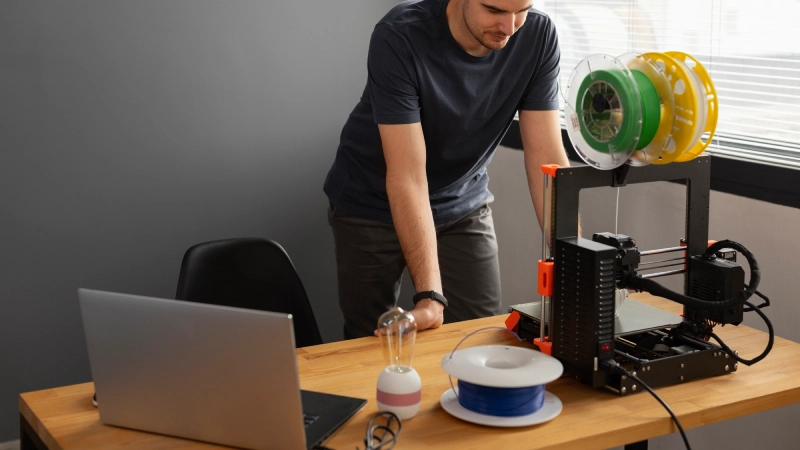
- Constantly tuning bed leveling, temperatures, and firmware
- Re‑printing the same calibration cube ten times
- Upgrading parts of the printer instead of printing useful things
For many makers, that’s the fun part. For a busy marketer or founder, it can feel like a distraction.
Takeaway:
If you love tweaking tech, the tinkering phase is part of the joy. If you just want results, you might be better off using on‑demand printing services or paying someone who already owns and understands a printer.
3D Printing in 2026: Hobby vs Practical Use Cases and Market Growth
Earlier content on 3D printing often drew a hard line: “serious” industrial printers vs. “toy” home machines. That line is blurring fast.
Recent trends:
- Personal 3D printer market growth: valued at around 2.46 billion USD in 2024, projected to reach 6.84 billion USD by 2032 with about 13.63% CAGR, driven by hobbyists and small enterprises.
- 3D printing overall in North America: about 8.61 billion USD in 2024, with long‑term growth at 18.6% CAGR toward 2034.
- Mainstream uses: adoption is rising across education, small businesses, and prosumer setups, not just hardcore makers.
- Tech upgrades: consumer printers are faster, support more materials, and add features like smoother surfaces and AI‑assisted design flows.
In other words, what you had seen earlier as “maker‑only territory” is now creeping into:
- DIY construction and home‑improvement components
- Dental, jewelry, and custom wearable prototyping
- Small‑batch manufacturing and on‑demand product lines for niche audiences
For a young marketer, that means it’s increasingly realistic to:
- Launch a micro‑brand around a niche gadget
- Offer hyper‑custom physical freebies for campaigns
- Prototype productized services (like mounts, clips, holders) without huge upfront tooling costs
Should You Invest in a 3D Printer in 2026 for Business or Hobby?
If you’re wondering whether a 3D printer is “worth it” or just a shiny distraction, ask:
- Do you have recurring physical problems to solve?
- Messy desks, awkward camera setups, broken clips, and custom packaging ideas.
- Do you have product ideas you’d like to prototype cheaply?
- Hardware add‑ons, branded gadgets, ergonomic tools.
- Do you enjoy fiddling with machines and settings?
- If not, the learning curve may feel like a time sink rather than a hobby.
If you answer “yes” to the first two and at least “I don’t hate it” to the third, 3D printing can be both a real tool and a creative outlet for you.
Final Verdict: Are 3D‑Printed Gadgets Practical Tools or Just a Hobby in 2026?
3D‑printed gadgets started as a playground for tinkerers; today, they’re quietly becoming a backbone for repairs, organization, prototyping, and small‑batch products in homes and small businesses.
The same printer that knocks out a Dragon Ball figurine on Saturday can save a cafe’s espresso machine or your agency’s camera rig on Monday.The real question isn’t “Is 3D printing practical or just a hobby?”
It’s: Will you use it to solve real problems often enough to justify the hobby around it?
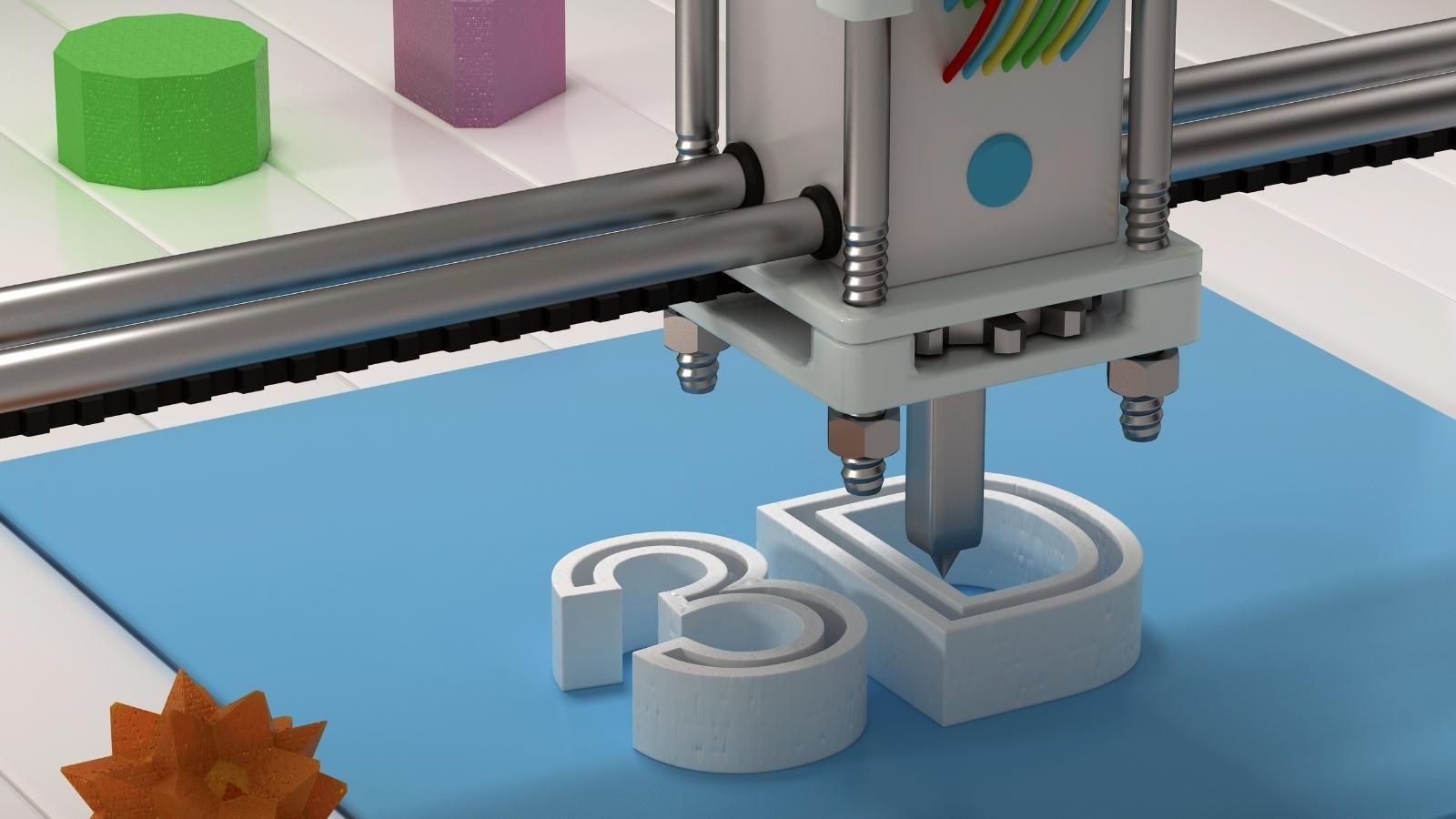
You must have seen the fun, experimental side of 3D printing. Now the update is clear, with the numbers, tools, and use cases having matured to the point where young marketers, business owners, and everyday people can treat 3D printing as a lightweight manufacturing and prototyping channel, not just a side quest or expensive hobby.
Have you printed something that actually saved your day (or your campaign), or are you still in the “cool toys and calibration cubes” era?
