


Highlights
- AI helps farmers detect field problems early using soil sensors and data analytics.
- Smart irrigation systems reduce water use by adapting to soil and weather data.
- Drones plus AI enable targeted pest detection and lower chemical use.
- Yield prediction tools improve planning for storage, labor, and financial risk.
Farming has always been risky. One bad season can ruin a farmer for years. Rain may come late. Heat may stay longer than expected. Sometimes pests appear suddenly, and crops get damaged before anyone understands what went wrong.
For decades, farmers managed these risks with experience and instinct. That still matters. But now, a new helper is entering farms. Artificial intelligence.
AI in agriculture is not about robots taking over farms. It is about small tools that help farmers see problems early and make better choices. Smart sensors in the soil, drones flying over fields, and software that predicts future yields are already being used in many parts of the world. This change is slow, practical, and happening quietly.
Why Agriculture Is Turning Toward AI
Farming today is not the same as it was twenty years ago. Weather patterns have changed. Rain is less predictable. Summers are hotter. Water is becoming costly or limited. At the same time, food demand is rising every year. Farmers are expected to grow more using the same land, sometimes with fewer workers.
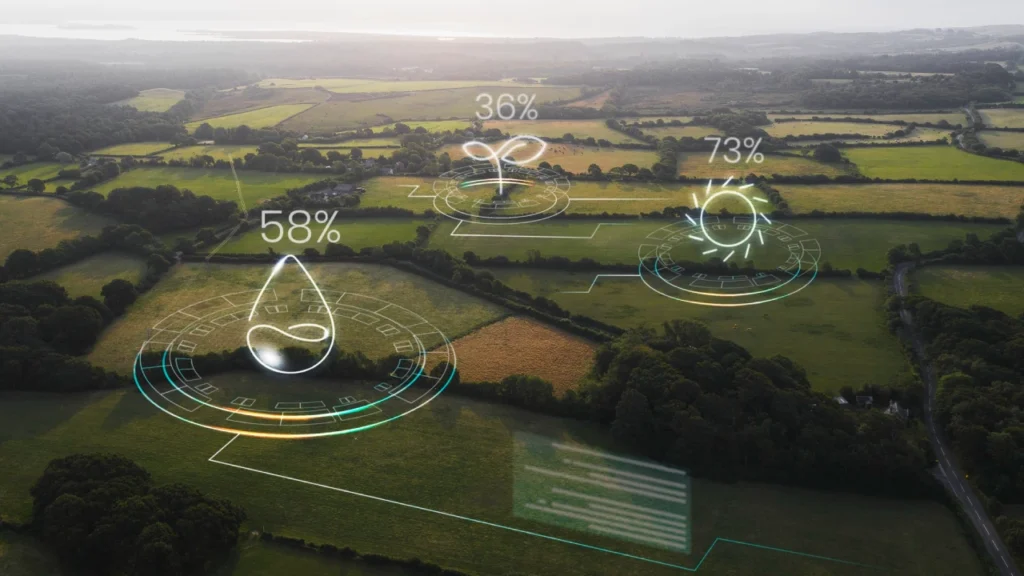
Old methods depend on fixed routines. Water on certain days. Fertilize at set times. Pesticides as prevention. This worked earlier, but causes waste now. AI helps farming become more flexible. It reacts to what the field needs today, not what the calendar says.
Smart Sensors and Their Real Use on Farms
What Smart Sensors Really Measure
Smart sensors are small devices placed in soil or near crops. They measure things like moisture level, soil temperature, air humidity, and sometimes nutrients. These sensors send readings to a system through mobile networks or local devices. AI software studies this data over time.
It learns how soil behaves after watering. It sees how fast moisture disappears during heat. It understands how crops react to different conditions. This information helps farmers make better irrigation decisions.
AI and Water Management in Fields
Water is one of the biggest problems in farming today. In many places, farmers either overwater or underwater crops. Overwatering washes away nutrients and damages roots. Underwatering slows growth and reduces yield. AI-based irrigation systems look at soil data and upcoming weather. If rain is expected, irrigation is reduced. If the soil is already moist, watering is delayed.
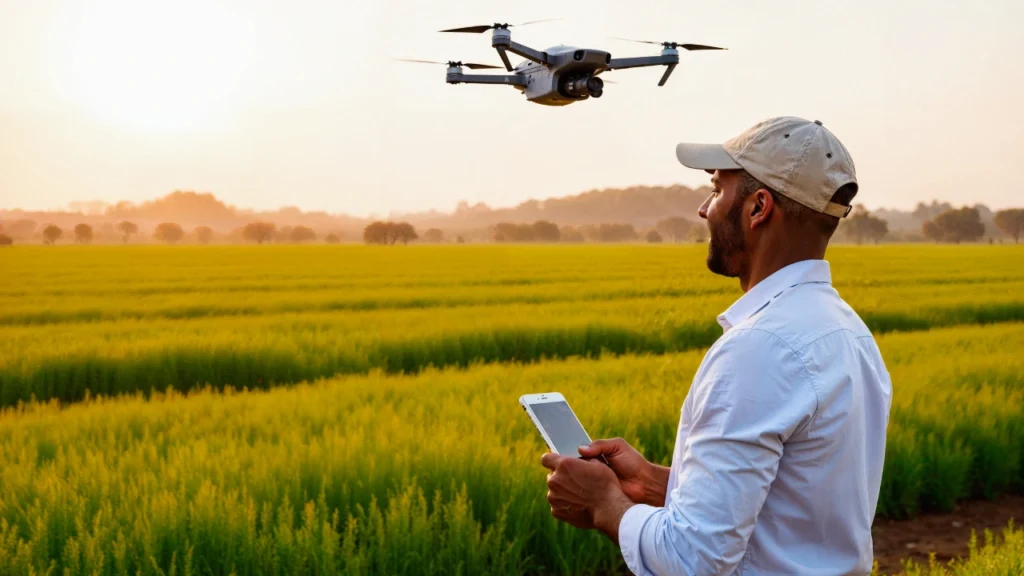
Farmers using these systems often see lower water use and better crop health. This matters most in dry regions where water is expensive or scarce.
Are Smart Sensors Only for Big Farms
Earlier, yes. Smart sensors were costly and hard to manage. Only large farms used them. Now, many companies offer simple sensor kits. Some work with basic mobile apps. Some send alerts by SMS.
Farmers do not need to understand complex charts. They just get messages like “soil is dry” or “watering not needed today.” This has made sensor use possible even for small farmers.
Drones and Crop Monitoring from the Sky
Why Farmers Are Using Drones
Walking through fields takes time. On large farms, some areas are checked less often. Problems start small and spread fast. Drones help farmers see the full field. They fly over crops and capture images from above. These images show plant growth, color changes, and dry patches. AI software checks these images for signs of stress.
Catching Problems Early
Crop disease and pest damage usually begin in small areas. By the time farmers see it clearly, losses are already high. Drones can spot early changes. AI compares current images with older ones. If something looks different, the system highlights that area. This gives farmers time to act early instead of reacting late.
Less Chemical Use, Lower Cost
One big benefit of drone data is targeted spraying. Instead of spraying the whole field, farmers treat only affected zones. This reduces chemical use. It saves money and keeps the soil healthier. It also helps farmers follow safety rules related to pesticide use.

Yield Prediction and Why Farmers Care About It
How AI Predicts Yield
Yield prediction tools use machine learning. They study past data like weather, soil type, crop stage, and earlier harvest results. AI learns which conditions lead to good yield and which reduce output. Using current season data, it estimates how much crop a farm might produce. Predictions are updated as conditions change.
How Yield Forecasts Help Farmers
Knowing the expected yield early helps farmers plan better. Storage needs, labor hiring, and transport can be planned. Farmers can also decide how much money to invest further. If the yield looks low, they may reduce extra spending. This reduces financial stress during uncertain seasons.
Use Beyond Individual Farms
Yield prediction is also used by governments and food companies. It helps understand food supply levels. In regions with food shortage risks, early yield data helps plan imports or relief steps. This makes yield prediction important beyond farming alone.
AI Farming Adoption Around the World

Use in Developed Countries
Countries like the US, Australia, and parts of Europe adopted AI farming early. Large farms and good internet access made this easier. Precision farming tools are common there. Automated irrigation, drone surveys, and AI-based planning are part of daily work. Government support and strong agri-tech companies help push adoption.
Growing Use in Developing Countries
In developing regions, AI use is growing slowly. High hardware cost and poor internet slow things down. Many farmers use AI through mobile advisory services. These send weather alerts, pest warnings, and crop advice through simple messages. This approach avoids heavy investment and still offers value.
Role of Local Agri-Tech Startups
Startups play a key role in bringing AI to farms. They build tools focused on local crops and conditions. Some startups focus on pest alerts. Others on soil health or weather-based yield estimates. They often test tools directly with farmers and improve them based on feedback.
Problems That Still Hold AI Back
Cost Is Still a Big Issue
Sensors, drones, and AI platforms need money. Small farmers often cannot afford full systems. While long-term savings exist, short-term cost matters more for many farmers. Subsidies and shared services help, but the issue remains.
Data Is Not Always Reliable
AI needs good data. In many regions, farm data is missing or outdated. Poor data leads to poor advice. This reduces trust in AI tools. Building strong data systems takes time.
Internet Access in Rural Areas
Many farms still lack stable internet. Cloud-based AI systems struggle without connectivity. Offline tools exist but offer limited features. Better rural internet is necessary for AI growth.
Trust and Learning Curve
Farmers’ trust experience has been built over the years. Accepting AI suggestions takes time. If advice feels confusing or wrong, farmers ignore it. Training and simple explanations help build confidence.
Farmers Still Remain at the Center
AI does not replace farmers. It supports them. Machines cannot understand local land history the way farmers do. AI works best when used as guidance. Farmers decide what action to take. AI only helps by showing patterns and risks. Advisors and extension workers help farmers understand AI insights better.
Where AI Farming Is Headed
AI tools are becoming more connected. Sensors, drones, satellites, and weather data are being combined. Future systems will give more local advice. Not general tips, but field-level and zone-level guidance.
Automation will increase slowly. Human decision-making will stay important. The focus will move toward long-term soil health, water saving, and steady production.

Closing Note
AI is slowly becoming part of everyday farming. It helps farmers see problems early, use water wisely, and plan better. Challenges remain. Cost, trust, and access still matter.
But AI is not here to replace farming traditions. It is here to support them, step by step, as farmers face a changing world with fewer resources and higher risks.