
Highlights
- Discover how new cybersecurity software “learns” your daily digital behavior in real time.
- Understand why zero-trust networks are your new digital bodyguard—no VIP passes allowed.
- See how behavioral AI protects gamers, students, and parents from sneaky cyber threats.
- Learn practical ways to make your personal and work devices harder to hack, right now.
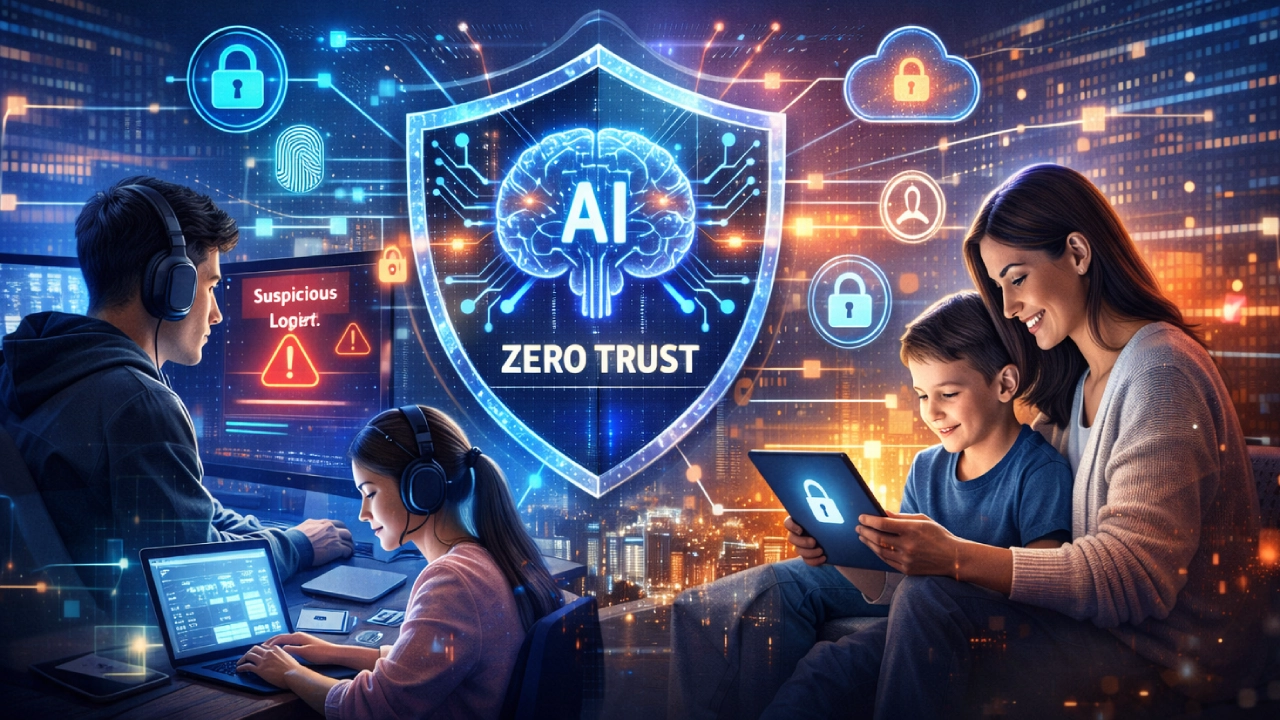
It was 2 a.m. when Amit’s gaming squad suddenly lost connection mid‑battle. The screen froze, the group chat blew up, and his router lights flickered like a techno‑disco. At first, he thought it was just bad internet.
But then, after just five minutes, his phone beeped: “Suspicious login detected from a new location.” It wasn’t him.
Such cyber attacks are taking place in bedrooms, offices, and coffee shops across the globe.

Computer hackers have gone into stealth mode, and they are no longer detected as viruses. They trace out patterns, imitate trusted computer users, and emerge in systems without detection.
All this changes with Behavioral AI and Zero Trust models -the new protectors of cyber life. These include mere shields that other gamers, students, freelancers, and parents use to protect their data, wallets, and sanity.
1. How Behavioral AI Endpoint Protection Learns Your Digital Behavior in Real Time
Picture this: your phone suddenly starts emailing contacts at 3 a.m.—but you’re asleep. Old-school antivirus tools check files for known viruses; they’d probably miss this. Behavioral AI, on the other hand, notices that you never send emails that late and instantly blocks the action.
It’s like having a cybersecurity assistant who knows your digital habits.
Science Bit Simplified:
Behavioral AI looks at patterns, like how you type, move the mouse, log in, or use apps. It builds a “baseline” of your normal behavior.
When something doesn’t match, it treats it as suspicious. This method is called machine learning-based anomaly detection, where AI models constantly learn from user data and adapt to new threats in real time.
2. Why Zero-Trust Cybersecurity Is the New Digital Bodyguard for Home and Work
Remember when offices used to hand out “Employee Badges” that opened every door? Imagine if someone duplicated one—boom, access everywhere.
That’s how networks worked for years: once you’re inside, you’re trusted. The zero-trust model flips that completely: never trust, always verify.
This approach doesn’t care if you’re inside the home network or connecting from Starbucks.
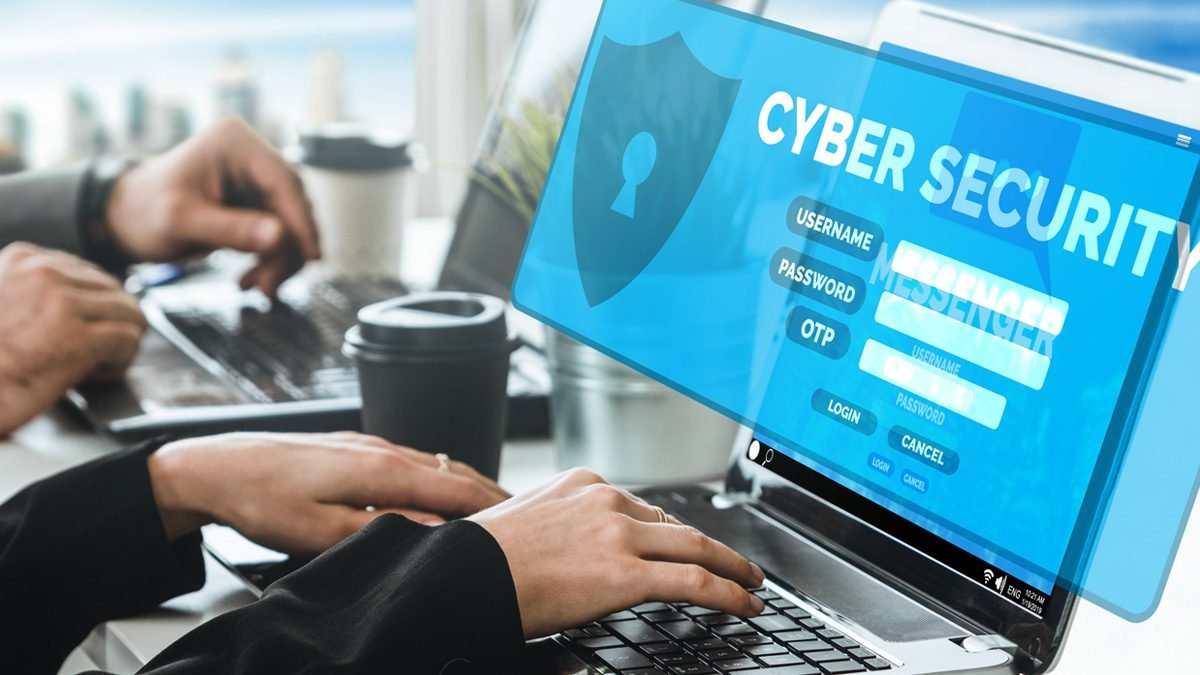
Every action—downloading a file, opening an app, or logging into an email—is checked and rechecked. It uses continuous identity verification, device checks, and permissions.
Science Bit Simplified:
Zero-trust tools blend cryptography with real-time context from AI. For instance, instead of taking the fact that it is running over your home Wi-Fi network as secure, it checks your security credentials with tokens, encryption keys, or behavior-based scores.
Practical Takeaway:
Activate two-factor authentication everywhere. If offered in your organization’s blueprint, consider implementing a zero-trust network platform like Zscaler or BeyondCorp.
Home users may also apply the idea of a zero-trust environment when going through the permissions set up on computers and segregation of smart devices in a home Wi-Fi network for visitors.
People Benefit:
- Remote workers: Protects from compromised home routers.
- Content creators: Keep their cloud files safe from session hijacks.
- Parents: Prevents one hacked device from spreading malware to kids’ tablets.
3. Self-Learning Machine Learning in Cybersecurity: Beating Hackers at Their Own Game
Cybercriminals now use AI, too. Some train bots to mimic human browsing or defeat CAPTCHA systems.
So cybersecurity must evolve even faster. Self-learning ML systems do exactly that: they adapt immediately after encountering a new kind of attack.
Think of it like your antivirus software training in ultra‑hard mode. Every failed or successful defense improves its next reaction. It doesn’t wait for software updates—it learns live.

Science Bit Simplified:
Machine learning models like neural networks analyze billions of data points—logins, process executions, network traffic—to predict attacks before they happen. They recognize patterns invisible to humans.
Practical Takeaway:
Use modern endpoint protection suites (EPPs) or extended detection and response tools (XDRs) that advertise “self-learning” or “AI-driven” capabilities. They’re not magic, but they dramatically shorten response times from hours to seconds.
4. Cloud-Based Cybersecurity Intelligence: Real-Time Global Threat Protection for Everyone
Ever wondered how your antivirus knows about a new virus you never downloaded? Welcome to the cloud side of cybersecurity. Modern tools constantly share anonymous threat data with global networks. When one device spots a new pattern, the network blocks it everywhere within seconds.
It’s like a worldwide immune system, like your laptop’s sneeze teaches everyone else to avoid the same virus.
Science Bit Simplified:
This uses federated learning, where AI models learn locally and share insights without uploading personal data. It’s privacy‑friendly and lightning‑fast.

PRO TIP:
Always keep cloud protection enabled in your antivirus dashboard. It’s not about uploading your files; it’s about sharing threat fingerprints to build shared defense.
People Benefit:
- Office workers: Stops phishing links instantly across all employee devices.
- Freelancers: Protects data stored in shared cloud drives.
- Gamers: Prevents infected mod installers from spreading globally.
5. User Behavior Analytics (UBA): Smart Cybersecurity That Knows When Something Feels Wrong
Imagine being able to tell whether the person using your Netflix account is you or a hacker in another country, without asking for a password.
That’s what user behavior analytics (UBA) does. It tracks small anomalies: typing rhythm, login time, device type, and even keystroke patterns.
When an anomaly appears, it instantly raises an alert—but intelligently, without false alarms for harmless changes (like you using a new laptop).
Science Bit Simplified:
UBA tools use probability scoring and clustering techniques—basically math that groups “normal” behavior sets apart from “weird” ones. The system’s precision improves each time you log in, because it’s learning your habits.
PRO TIP:
Turn on adaptive login in services that support it (Google, Microsoft, or gaming platforms with “suspicious activity alerts”). It’s free behavioral analytics for your account.
Before: Static passwords were everything.
Now: AI judges not just what you log in with, but how you behave after logging in.
6. The Human Side of Cybersecurity: How AI and Smart Habits Work Together to Stop Attacks
Here’s the twist: AI alone isn’t enough. The human factor remains both the strongest asset and the weakest link.
People still click bad links, reuse passwords, or ignore software warnings. The future of cybersecurity blends AI assistance with human intuition.

Upcoming systems use behavioral nudges—like gentle reminders when your actions risk exposure (“That link looks shady. Proceed?”). These systems don’t just protect; they coach safer online behavior.
PRO TIP:
Practice “micro‑awareness”: pause before granting any permission, even if the popup looks routine. Behavioral AI can guide you, but your instincts close the loop.
What should you do?
- Students: Learn safe habits early through friendly prompts.
- Gamers: Avoid phishing baits promising “free skins.”
- Parents: Help teach digital safety to kids through visible, real alerts.
Wrapping It Up: The Future of Cybersecurity Software: Smarter Protection with Behavioral AI and Zero-Trust
Behavioral AI and zero‑trust security aren’t sci‑fi—they’re the new normal protecting every login, folder, and livestream you create. They evolve faster than hackers, adjust to your habits, and keep your digital circle safe, whether you’re gaming at 2 a.m. or sharing homework files.

In the coming years, these systems will blend seamlessly into our apps and clouds, acting less like security bots and more like digital bodyguards who actually know us.
So, would you trust an AI assistant to watch your digital back? What’s the first account you’d want it to protect today?