




Highlights
- AI-generated image and video create complex copyright, licensing, and ownership challenges.
- Platform terms—not copyright law alone—often determine commercial usage rights.
- Impersonation, trademark misuse, and training-data similarity raise legal risks for creators.
- Ethical disclosure and pre-publication checks are becoming essential under evolving global AI rules.
The creative industry now uses AI tools to create both AI image and video because these tools have become essential components of their artistic work. Visual storytelling in various fields now relies on generative AI technology, which produces digital content for use in marketing campaigns, editorial graphics, music videos, and social media short videos. The new technology provides users with unprecedented speed andthe ability to produce work while maintaining creative freedom.
The system operates efficiently until it encounters a complex web of legal and ethical challenges. AI-generated visuals create a unique legal situation because their visual content depends on training data, platform permissions, and current copyright regulations. Many creators believe that their image rights extend to any image they create using prompt-based image generation.
Actual ownership and usage rights of output depend on three factors: the legal system of a particular area, the guidelines of the platform, and the manner in which the output will be applied. The current situation requires creators and publishers to handle their own responsibilities because regulators cannot match the rapid development of technology.

Who Owns AI-Generated Images and Videos?
People commonly hold incorrect beliefs about how ownership works for content created by artificial intelligence technologies. Legal systems in many countries allow copyright protection only to works produced by human authors. The copyright office will not grant protection to fully AI-generated images or videos because they do not meet the required criteria for protection.
AI platforms establish ownership rights through their contractual agreements instead of following copyright regulations. Some platforms grant users broad rights over generated outputs, while others retain partial control, limit commercial use, or reserve the right to reuse outputs for training or promotion. Subscription tiers determine licensing rights because paid plans provide users with more rights than free versions.
The most secure assumption for creators is that they should treat AI-generated content as licensed assets, which they do not fully possess as intellectual property rights. The rights assessment process needs to identify all rights which will be granted and withheld rights and at the same time determine whether commercial uses have been specifically allowed.
The Rules Of Platform Licensing Every Creator Must Know
The framework for Platform Licensing exists as a collection of unrecognized regulations that creators must follow without their knowledge. Every AI image and video generator operates under its own licensing framework, and these terms are often overlooked in the rush to publish. The platform policies establish the restrictions that determine how users can sell their content, redistribute it, or use it for advertising purposes, or create branded materials.
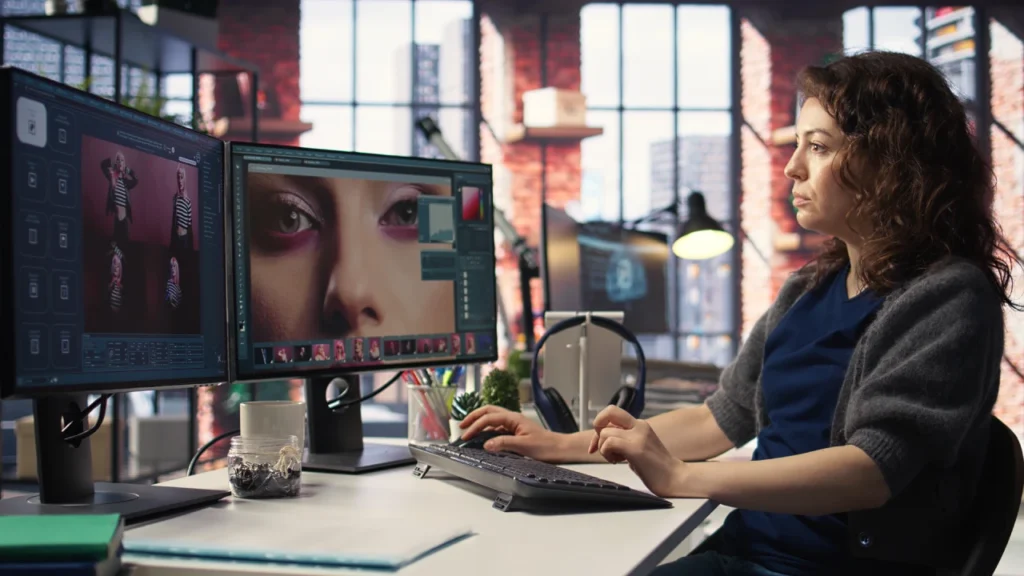
Some platforms allow users to use their content for any commercial purpose without restrictions, while others prohibit users from reselling their content and demand users give proper credit while they use their content in specific situations, which include political messaging and biometric content.
The platform holds the authority to terminate access rights and request content removal whenever users breach its established rules. Users who fail to follow these rules face account suspension penalties and content removal penalties, and they will also enter into legal conflicts. Responsible creators treat licensing terms as part of their editorial and production workflow, not as an afterthought.
Training Data and Copyright Risk
The main issue that creates conflict about generative AI systems involves the data that these systems use for their training purposes. Models need huge datasets as their training material because they require access to complete internet databases, which include copyrighted pictures, movies, and artwork from their copyrighted collection. The ongoing legal battles that exist in multiple countries create operational hazards that affect all users of the system.
The copyright records of existing works can show similarity to AI-generated outputs when users request specific artistic styles from particular artists, movies, and visual elements. The creator faces the danger of derivative work claims because of unintentional resemblance to existing works, which occurs in commercial use situations.

The Problem Of Impersonation and its Legal Constraints
AI tool users need to choose their prompts with care when they want to create imitations of well-known visual styles or famous visual content. The legal and reputation dangers increase when an output shows more similarity to a specific piece of work.
The study of impersonation rights extends to the right of people to control their own likeness. AI technology now enables people to create fake identities through more realistic digital imagery. Synthetic voices and hyper-realistic facial animations, together with lifelike video avatars, enable people to produce content that creates confusion between real identities and fake identities. This situation creates critical issues regarding consent rights, defamation protection, and the right to control one’s own public persona.
Any publication of AI-generated content which produces visual content that matches actual people will result in either legal action or platform removal or public backlash, especially with commercial and political and sexual content. The use of fictional content becomes problematic when it presents a convincing representation of actual people.
The best practice requires organizations to refrain from creating realistic images, which show real people, until they receive proper permission. People need to use explicit disclaimers together with fictional content to achieve a realistic representation.

Brand Misuse and Trademark Conflicts
AI tools enable users to create images that include actual brand elements, brand logos, and brand products with ease. The visual content that creates the impression of endorsement, partnership, or organizational connection will deceive viewers and break brand protection laws. The risk increases through advertising and marketing because AI-created images can be mistaken for official brand materials. The legal system will respond to any instance of logos appearing without permission or products looking similar to existing items.
Marketers and creators must use AI-generated visual content as design sources, which need AI-generated design elements to be altered before they become final branded products.
Transparency and Ethical Disclosure
The process demands complete compliance with trademark removal before content distribution. The requirement for content creators to disclose their use of AI technology in their work has become an essential practice. The need for content creators to show their audience about their content creation methods has developed into a standard requirement that applies to journalism, education, and advertising fields.
The clear requirement to disclose AI-generated images and videos prevents people from being deceived while maintaining their trust. The situation becomes critical when visual content has the power to shape public perception, impact consumer choices, and determine people’s emotional states. Organizations that fail to disclose their AI systems will not face legal penalties, but their credibility will suffer, and public backlash will happen to them. Responsible publishers view transparency not as a limitation, but as part of maintaining long-term audience trust.
The Practical Pre-Publication Checklist
A set of essential questions needs to be answered by creators before they publish their AI-generated media content.
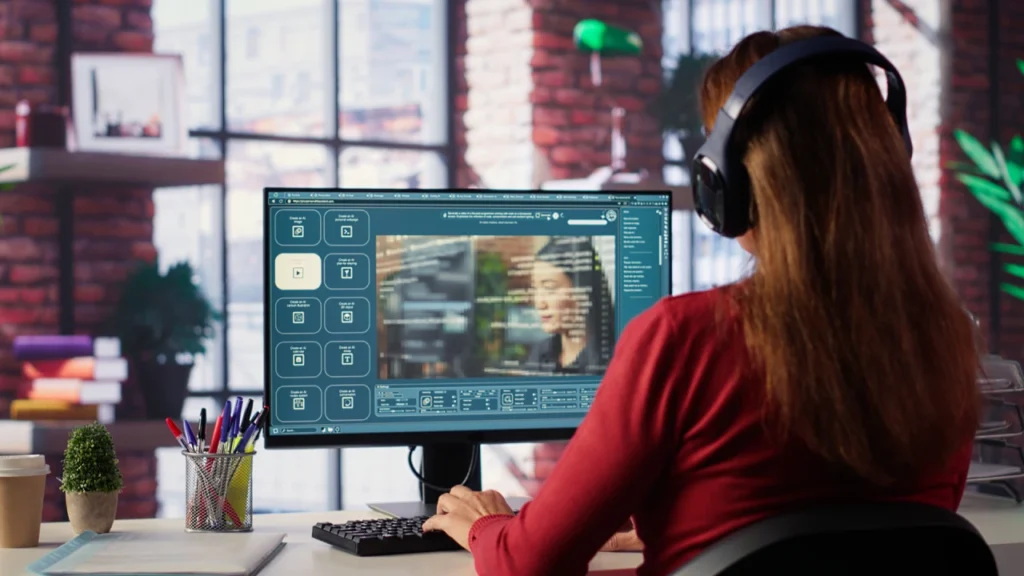
Do the platform’s terms allow commercial use? The output could potentially create a similarity to an actual person, a protected artistic work, or a known commercial brand. The content is being shown to people as either demonstrative material or actual information. Would disclosure be appropriate for the audience?
The safe path to follow depends on which content needs revision and which needs transparency.
The Global Regulatory Direction
Governments across the world are beginning to address AI-generated media through emerging regulations. Some regions are considering mandatory labeling of synthetic content, while others are strengthening personality and publicity rights. Courts are also starting to hear cases that involve AI-generated infringement and misrepresentation.
The regulations remain fragmented, yet they provide a clear path forward. The responsibility for accountability now extends to both publishers and creators, and it no longer applies only to AI developers. Those who adopt careful, ethical practices now will be better prepared as legal frameworks evolve.
Conclusion
AI image and video generators have fundamentally changed how visual content is created, but they have not eliminated responsibility. Every AI-generated image carries legal, ethical, and reputational implications that creators cannot afford to ignore.
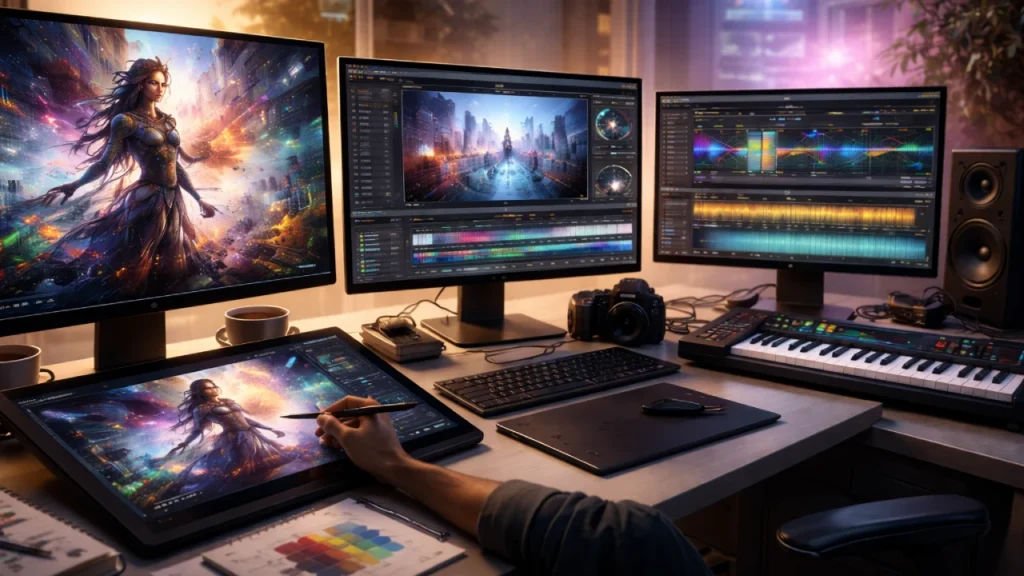
The platform requires users to understand its licenses, which protect both their personal identity and corporate brand elements while they maintain full transparency about their operations. The most successful creators in AI media will achieve success through their ability to publish high-quality work rather than through their speed of production.
