


Highlight
- Wearables Accuracy Test Shows Heart Rate Tracking Is Most Reliable for daily use, especially when tracking long-term trends instead of single readings.
- SpO₂ and Sleep Data Need Context: Oxygen and sleep tracking work best overnight, but should be read as patterns, not medical results.
- Trends Matter More Than Single Readings: Long-term wearable data helps users understand habits without unnecessary stress.
Smartwatches are everywhere now. Some people wear them for fitness, some for work, and some just because everyone else does. Earlier, these watches only showed time and steps. Now they show heart rate, oxygen level, sleep details, and many other health numbers. But here is the thing. Many users look at these numbers every day and still don’t know what they really mean. Some trust them blindly. Some panic when a number looks low. Others stop believing the watch completely.
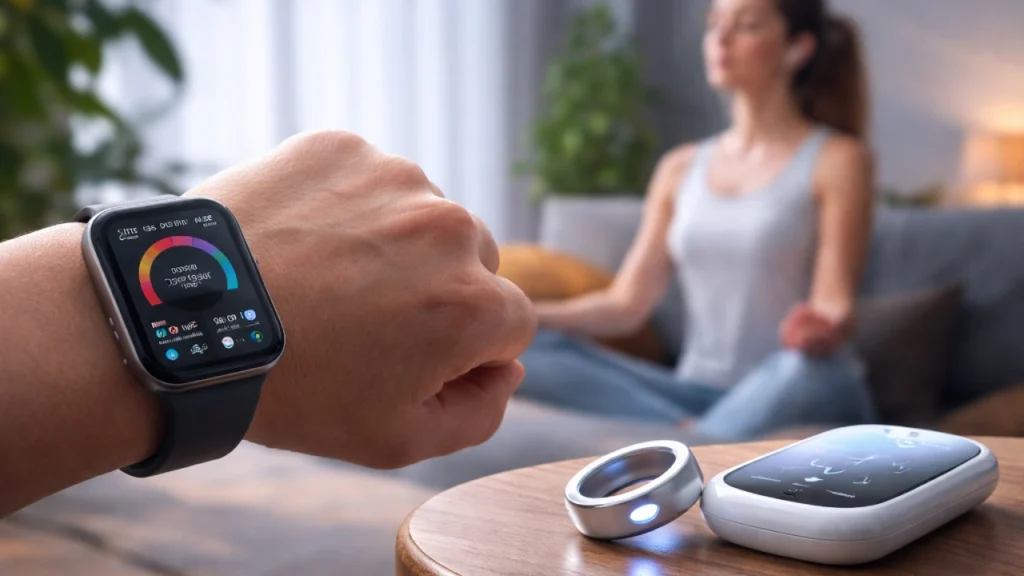
So how accurate are wearables, actually? And how should normal users read this data?
This article talks about wearable accuracy in a simple and honest way. No medical words. No over-smart explanations. Just real use, real limits, and real understanding.
How Wearables Get Health Data
A smartwatch sits on your wrist. That itself creates a problem. The wrist moves a lot, skin changes, sweat comes in, and blood flow is not always strong there. Still, the watch tries to read signals from this spot.
Inside the watch, there are small light sensors. These sensors send light into your skin and then read how much light comes back. Blood moving inside the body changes the light pattern. The watch software turns that into numbers. This system works, but only when conditions are right. That is why wearable data is not always steady.
Heart Rate Tracking: The Most Reliable One
Among all health features, heart rate tracking works the best. It has been around for many years, and brands have improved it a lot. The watch uses green light to track blood flow. Every time your heart beats, blood flow changes slightly. The sensor catches that change and counts it.
When you are sitting, walking, or doing normal daily work, heart rate readings are usually close to correct. For most people, the resting heart rate shown on the watch is reliable. Problems start during hard workouts. Fast arm movement, lifting weights, or intense exercise makes it difficult for wrist sensors to keep reading properly. Sweat and loose straps make it worse.
This is why gym users still prefer chest straps. Chest straps read heart signals directly. Wrist watches do not do that.

For normal users, heart rate trends matter more than exact numbers. If resting heart rate stays higher than usual for many days, that tells more than one high reading.
SpO₂ Tracking: Useful but Often Confusing
SpO₂ shows how much oxygen is in your blood. Many users started checking this after it became popular in wearables. The watch uses red and infrared light to guess the oxygen level. This is similar to finger oximeters, but the wrist is not an easy place to measure from. SpO₂ readings are usually better at night. During sleep, the body is still, hands are warm, and movement is low. That is why most watches record oxygen levels while sleeping.
During the day, SpO₂ numbers can change for many reasons. Cold hands, weak blood flow, loose fit, or movement can give wrong values. Tattoos and skin tone also affect readings. One low reading does not mean anything serious. In healthy people, oxygen levels stay mostly above 95 percent. What matters is if low readings happen again and again over many nights. Wearables should never be used to diagnose health problems on their own.
Sleep Tracking: Helpful, Not Perfect
Sleep tracking is one feature people check every morning. Many users judge their whole day based on their sleep score. The watch tracks sleep using movement, heart rate, breathing pattern, and heart rate changes. It does not know if your brain is asleep or not.
Sleep time is usually tracked well. When you sleep, when you wake up, and how long you slept — this part is mostly accurate. Sleep stages are a different story. Deep sleep, light sleep, and REM sleep are guesses. The watch does not see brain activity. It only guesses based on body movement and heart signals.
If you lie still but stay awake, the watch may think you are sleeping. Short wake-ups at night are also missed sometimes. Sleep scores are made by software. Each brand uses its own logic. That is why the same night’s sleep can look good on one watch and average on another. Sleep data should be used to understand habits, not to judge sleep quality strictly.

Why Wearable Data Looks Wrong Many Times
Most accuracy problems are caused by daily use, not bad devices. If the watch is loose, sensors lose contact with the skin. If it is too tight, blood flow gets blocked. The correct position is slightly above the wrist bone with a firm but comfortable fit. Body factors matter too. Tattoos block light. Sweat during workouts affects reflection. Body hair changes readings. These things cannot be fixed by software.
Different brands also process data differently. That is why numbers change between devices. Trends, however, often stay similar.
Why Trends Matter More Than Numbers
Looking at daily data can confuse users. One bad night’s sleep does not mean poor health. One low oxygen reading does not mean danger.
Trends show the real picture. If resting heart rate slowly increases over weeks, it may show stress or poor recovery. If sleep stays short every night, it shows bad sleep habits. If oxygen drops often during sleep, it may need attention. Weekly and monthly views reduce noise. This is how wearables should be read.
Can Wearables Be Trusted at All?
Yes, but only for awareness. Wearables help people notice patterns. They help users stay active and understand their routine better. They are useful tools for daily life. They are not doctors. They cannot diagnose a disease. They cannot replace medical tests. When used calmly, wearables are helpful. When taken too seriously, they create stress.
Using Wearables the Smart Way
The best way to use a wearable is to be consistent. Wear it daily. Keep the fit the same. Check the data at similar times. Do not react to single numbers. Look at patterns. Combine data with how your body feels. If something feels wrong for many days, a doctor matters more than any app reading.
Final Thoughts
Wearables are not perfect, and they never will be. Heart rate tracking works well for daily use. SpO₂ and sleep tracking give helpful signals but are not exact. The real value of wearables is long-term tracking. When used with basic understanding, they help users stay aware without creating fear. They work best when they stay in the background, quietly showing patterns, not shouting numbers.