

Highlights
- Noise-Cancelling Earbuds ANC: Sony leads in Active Noise Cancellation, AirPods Pro follow closely, while Galaxy Buds deliver strong, balanced noise control.
- Call Quality & Connectivity: AirPods Pro lead in mic clarity and seamless Apple ecosystem switching; Samsung and Sony shine with stable multipoint connectivity across devices.
- Comfort, Latency & Value: Galaxy Buds excel in all-day comfort and low-latency gaming, AirPods Pro are best for iOS users, and Sony stands out with long battery life and immersive sound.
By 2026, true wireless earbuds will no longer just be accessories; they have become daily companions. Commuters seek them for concentration, remote workers for call quality, travellers for reducing noise during flights, and gamers demand responsiveness. Still, it is not enough to be labeled “true wireless” only. Active Noise Cancellation (ANC), microphone performance, comfort, connectivity features, and latency have become the most important attributes that differentiate brands.
Among those who excel in this field, there are three brands that are always in the competition: Apple AirPods Pro, Samsung Galaxy Buds, and Sony’s flagship ANC earbuds. All three of them have built up a loyal user base, and they all offer a fascinating combination of features; differences may matter in which way and where you choose to use them.
ANC Power: Who is the Best in the World at Silencing?
Active Noise Cancellation has turned into a must-have feature. Yet, the quality of ANC differs from one manufacturer to another.
Sony has been at the top of the game for quite some time. Throughout the years, the Ss feed-forward and feedback ANC design has been highly successful in cutting down broadband noise, such as the drone of an airplane and the buzz of city traffic. The adaptive ANC from Sony reacts and adjusts to the environment within milliseconds based on the level of outside noise. Thus, the experience is similar to being enclosed in a super quiet chamber, even during noisy commuter periods.
The second generation of Apple’s AirPods Pro and successors until 2025 are equipped with an ultra-adaptive feature that can be very effective with human voices and medium sounds. In case of being in a place with the loudest sounds (like airline engines), the total ANC power, in comparison, may trail that of Sony’s, but its seamless iOS integration and real-time environment adjustment make it feel remarkably organic.
The Samsung Galaxy Buds series, particularly the Plus/Pro/Live variants, havehasrowed the difference significantly. The Galaxy Buds’ ANC power is great, especially when dealing with continuous noise, but in some cases, it might not be as uniform as the case with Sony’s DEPE, depending on the user’s ear and seal. In addition, they provide Ambient Sound modes that are very adaptable and user-friendly for their dwellers.
All three manufacturers acknowledge that the effectiveness of ANC will depend on the individual’s ear shape, fit, and seal quality, a fact that necessitates accessories like foam tips or fit assessments as not being optional.
Mic Quality: More Than Just Voice Pickup
A good mic is no longer just an aspect of an earbud; it is actually part of the user experience by being more than the simple sound quality that goes out. The importance of how you sound has been there,e whether in remote work calls, WhatsApp chats, or voice-activated assistants.
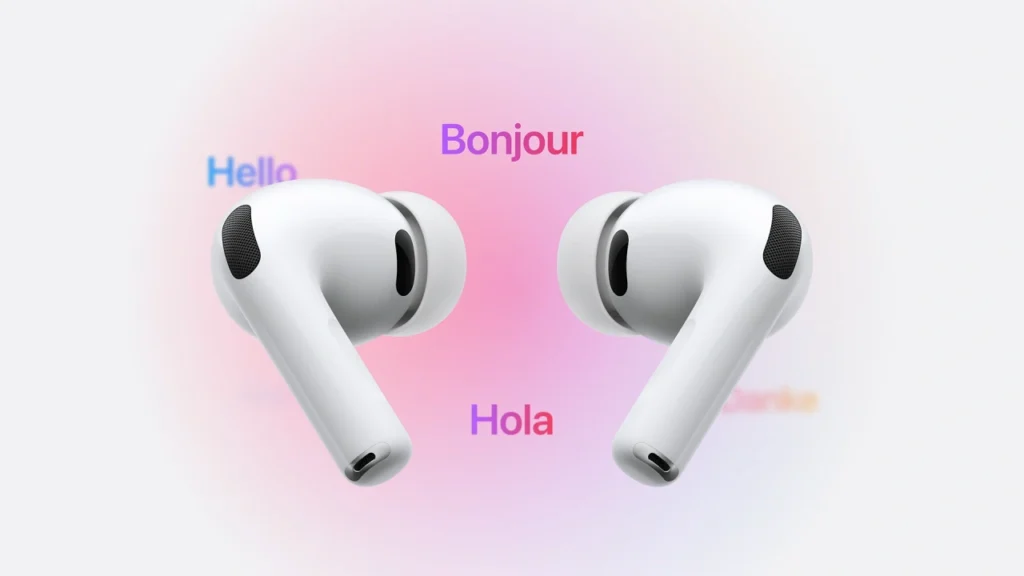
The top position in call clarity was often taken by Apple’s AirPods Pro. The combination of their beam-forming mics and wind-noise reduction algorithms results in clear and stable voice pick-up esp, especially in moderate background noise. In addition, Apple’s partnership with iOS gives further processing advantages, such as the isolation of the speaker and the boosting of conversation features. The overall result is the clean, intelligible call audio without the need for custom tuning by the user.
Samsung’s Galaxy Buds and Ultra models, in particular ha, have made great advances as well. The multi-microphone setup together with smart wind noise suppression and voice enhancement prov, provides a call quality that is almost as good as that of the AirPods Pro on Android devices, and it is also quite good in windy outdoor conditions. When used across platforms (e.g., with PCs), Galaxy Buds may be able to outperform AirPods Pro because of fewer compatibility limitations.
Sony’s earbuds have not had a significant focus on ANC, but rather on sound quality, though production of earphones has included significant enhancement of internal and external mic arrays in recent generations. They produce decent sound, but wind noise reduction and voice enhancement may be a little less effective than those of those people or Samsung’s tier products. In low-noise environments, the call quality of Sony is still very good; in cases of wind or noise, they may lose some voice clarity.
In a practical sense, AirPods Pro wins for most consistent call clarity across different settings, followed by Galaxy Buds, which is strong in Android and cross-device compatibility, and then Sony, which is aiming to improve their performance and is already trailing behind but slowly catching up to the others’ quality.
Comfort & Fit: What You Notice After Minutes, Not Hours
Comfort is a matter of preference, but it is important. Earbuds that are comfortable for 10 minutes can turn into nuisances after a long flight, a meeting, or playing a video game.
The AirPods Pro of Apple gives priority to lightweight design and balanced pressure, along with mixing and matching the silicons. The anatomical grasp of their design is quite nice for a lot of users, although some might still prefer foam tips, giving them better sealing and comfort in the case of ANC. The Adaptive EQ of Apple, along with the smoothness of a speaker, also adds to the very volume and hence no one gets the sense that it is forced.
The Galaxy Buds of Samsung do not look very durable; however, this is just one of the advantages of the product. The low-profile design and the gentle curves offer perfection for users who need comfort all day long. Besides that, they don’t mind at all losing a little sound isolation. For relaxation, Galaxy buds are rated very high by many, if not all, as the most comfortable of the three brands.
The flagship earphones of ‘Sony’ have a secure, cushioned fit as their base that gives the best possible passive isolation. The isolation created is so good that it extends the performance of ANC to peers. But at the same time, being snug can be a little heavier or tighter for long hours. Those who have smaller or sensitive ears should definitely check the fit before making a final call.
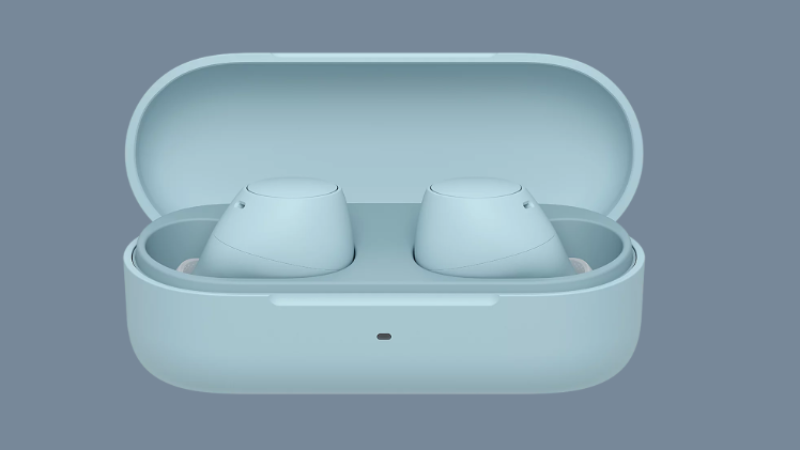
In the end, comfort is individual, but Samsung is in the lead for everyday wearability, Apple softens the blow with sound quality, and Sony isolates and secures fit for an immersive listening experience.
Multipoint Connectivity: Device Hopping Without the Hassle
Multipoint connectivity, which refers to the capability of connecting to several devices at the same time, is a feature that has become essential for many users. Work laptops, personal phones, tablets, and TVs all require easy and quick switching.
Samsung and Sony led the way in multipoint connectivity, with Samsung’s Galaxy Buds being able to handle Android phones, laptops, and tablets with almost no delay or manual switching at all. Sony’s use of multipoint capability through firmware updates has allowed it to time-share between the connected devices at the time of detecting an active connection.
Apple’s AirPods Pro eventually fell behind in multipoint reliability outside the Apple ecosystem; however, the defect has been fixed through software updates. In Apple’s environments (iPhone ↔ Mac ↔ iPad), multipoint is almost flawless nowadays. Cross-platform switching (e.g., iPhone ↔ Windows) has improved, but it can still be a source of minor manual intervention.
If your lifestyle often happens across ecosystems, Samsung and Sony give you more multipoint flexibility to take the reins, especially between Android and laptop devices. However, AirPods Pro continue to be the best choice within Apple’s ecosystem.
Latency: Calls and Gaming Without the Lag
Latency, which refers to the speed at which audio syncs during calls, videos, or games, is becoming an essential parameter for earbuds.
All three brands typically score well in calls. However, the combination of AirPods Pro with iOS hardware and software results in superb voice sync and responsiveness on Apple devices. In non-Apple environments, latency can rise a bit, but not very much.
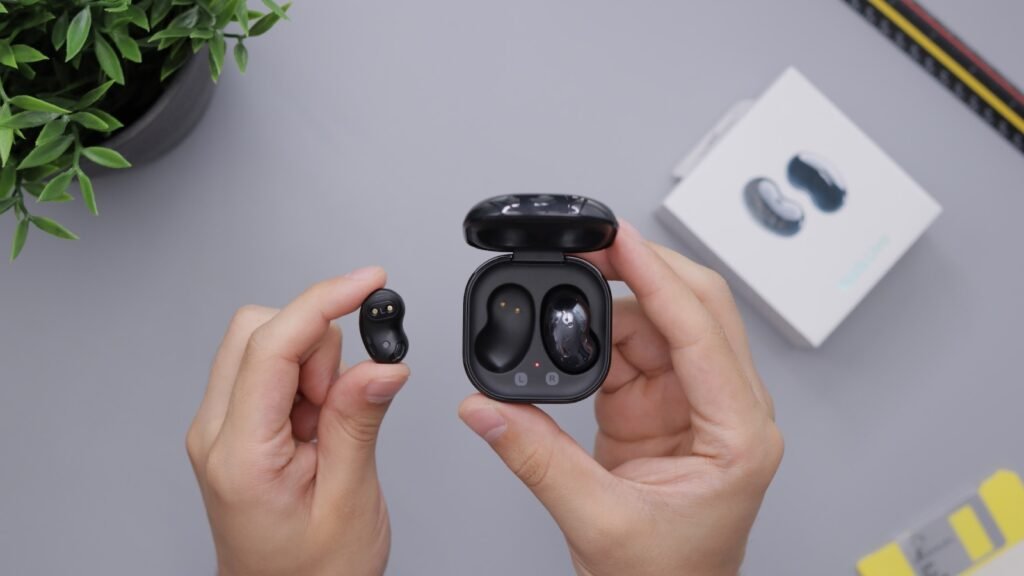
Samsung’s Galaxy Buds support full low-latency modes on some Samsung smartphone models and on Windows PCs. Apart from that, they enable Pro mode gaming enhancements that prioritize audio transmission, which is easily noticeable in real-time voice calls and lightweight gaming titles.
Sony has made the latency optimisations more or less similar to Samsung, but it still has to rely on the compatibility of the device and codec support (such as LDAC, AAC, and SBC) in general to determine the performance for gaming. Sony’s noise cancellation and sound quality are superb bu, but in some cases of cross-platform gaming, it can still be a little higher.
Considering the latency in gaming, particularly for the best titles where audio timing is the main thing, Galaxy Buds and AirPods Pro (when used with Apple gear) have a little bit of an advantage.
Battery Life and Day-to-Day Practicality
Battery performance has a direct connection with everyday satisfaction. Sony Battery is always the best in terms of battery life, and that too by quite a large margin; competitors usually are an hour behind or more per charge with ANC on. Apple’s and Samsung’s are not too far behind as they are also balancing battery with feature and ANC richness of a full day of use, with charging case support for multiple days.
Charging speed and case convenience are factors that also play an important role. Apple and Samsung users have wireless charging and power-share support on compatible phones. In contrast, Sony models often prioritize bulky cases with larger batteries, thus extending total lifespan at the expense of pocket-friendliness.
Ecosystem and Extra Features
An ecosystem has a major impact on user experience besides raw performance. Apple integration with iOS suc, such as spatial audio, adaptive EQ, automatic switching, and Find My support, clearly gives AirPods Pro an advantage among iPhone users. Samsung creates a close partnership with Galaxy phones, Wearables, and Galaxy ecosystem features like Buds Auto Switch. On the other hand, Sony’s cross-platform approach is wider but less ecosystem-specific, depending on app support for personalized sound profiles and ANC tuning.
The Verdict: Who Wins and for Whom?
There isn’t only one single winner for everyone, but rather only correct answers for various users.
•AirPods Pro are the best option for iPhone owners, highly valued for the premium quality of their calls and the effortless connectivity through the ecosystem, and for people who are looking for a balanced fit.
•Samsung Galaxy Buds are suitable for Android users who need the most in ANC, superb multipoint support, gaming-friendly low latency, and incredible comfort esp, especially in the case of Android users.
•Sony earbuds are really not that strong in the case of noise cancellation, but are still an excellent choice due to their long battery life and the option of immersing oneself in music, ideal for the noise-sensitive and frequent travelers alike.
Your decision will be based on your priorities, such as the strength of noise cancellation, call quality, comfort, ecosystem interaction, or latency performance.

Conclusion: ANC Is Table Stakes, But Experience Is What Matters
In the modern world, noise-cancelling earbuds are no longer just luxury items. Instead, they have become an integral part of mobile computing, communications, and entertainment. The battle among the rivals Apple, Samsung, and Sony is always won by the users because it results in improvements in ANC, mic quality, connectivity, latency, and overall user experience.
By 2026, earbuds would not merely be judged on their technical specifications but rather on how they influence your life from noiseless morning rides through all-hands calls, gaming, and relaxation at night.
The issue is not only about which pair sounds better on pa r bu, but also which one suits your routine.