





Table of Contents
Highlights
- Budget 5G phones under $300 now rival older flagship performance in everyday use.
- Displays, efficiency, and update policy matter more than camera megapixels.
- Network band compatibility and regional support shape real-world usability.
- The best budget phone depends on location, carrier, and usage needs.
The new meaning of budgeting shows that people must stop making trade-offs that they used to think were mandatory. The term “budget smartphone” used to describe devices that operated with subpar performance, showed weak displays, had low-quality cameras, and had brief operational times.
The assumption about budget smartphones from the previous time period has lost its validity in 2026. The smartphone market across Asia, Africa, Latin America, and most European countries now depends on affordable 5G phones, which cost under 300 dollars.
Three elements have driven this change because they created more affordable 5G chipsets, better OLED manufacturing methods, and competitive behavior between Android device makers. The results create a product category that provides customers with real value instead of forcing them to accept limitations that they must endure.
Budget phones show different quality levels because not all of them produce the same standard of performance. Some devices show exceptional processing capabilities yet lack sufficient software updates for their entire operational period. Certain devices display exceptional visual quality, but they cannot connect to networks outside their designated operational area. The most effective method of selecting products requires assessment beyond the major specifications.
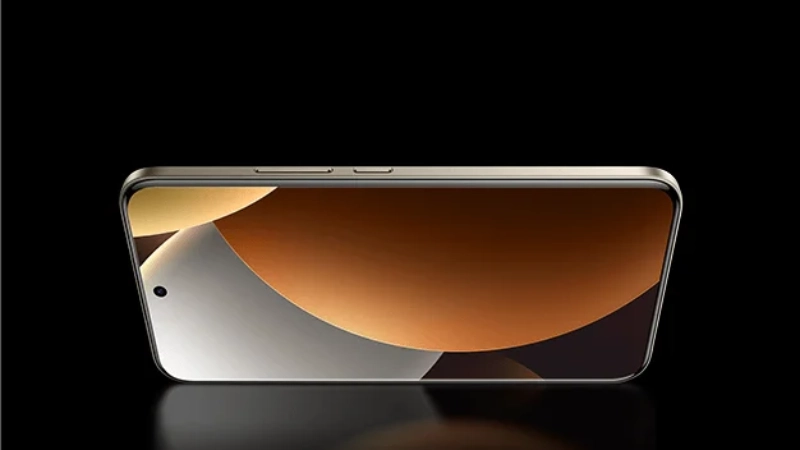
Display Quality: Where Budget Phones Have Improved the Most
The display technology in sub-$300 phones has shown significant progress in its development. The budget segment now includes high-refresh-rate OLED panels, which manufacturers previously used only in high-end products.
Manufacturers now place greater importance on smooth performance and bright display because these factors create a stronger influence on user experience than their test results. The 120Hz OLED display technology creates an immediate speed enhancement for a phone that uses a mid-range processor.
The available options include two distinct options. The budget market requires budget OLED displays to make compromises between three key areas, which include direct sunlight peak brightness, accurate color calibration, and complete HDR standard support.
The budget market requires budget OLED displays to make compromises between three key areas, which include direct sunlight peak brightness, accurate color calibration, and complete HDR standard support. Some products still use LCD displays that manufacturers design for markets that require absolute cost control. OLED technology provides superior long-term performance when compared to modern LCD displays, which have acceptable functionality.
Chipsets: Efficiency Over Raw Power
In 2026, the chipset of a budget phone determines its long-term usability instead of its initial performance. Most sub-$300 phones use mid-range processors that manufacturers design to deliver their best performance at lower power consumption.
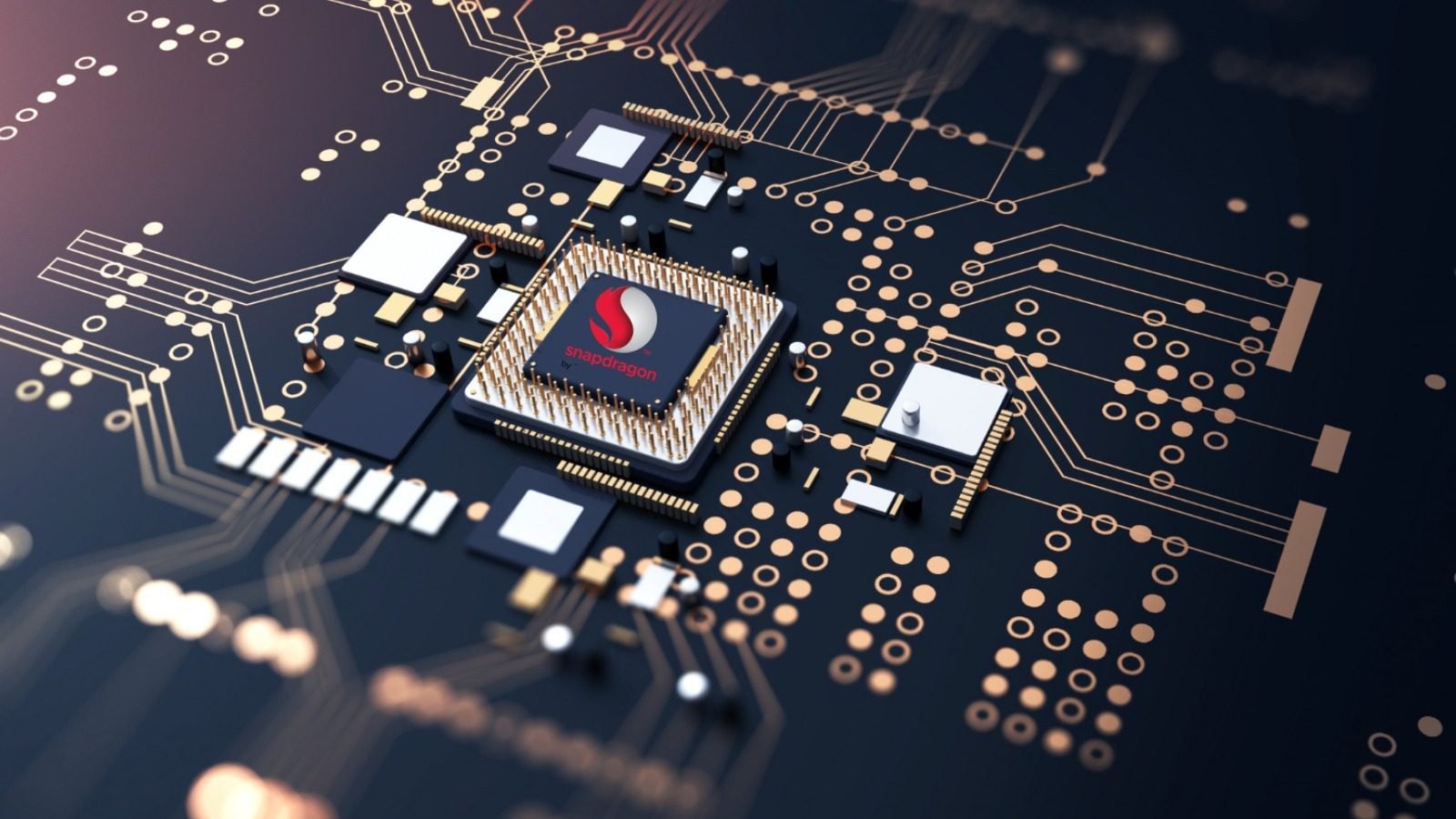
These chips comfortably handle:
- Social media and messaging
- Full HD video streaming
- Casual gaming and everyday multitasking
The distinction between good budget phones and bad budget phones arises from their thermal management systems and their capacity to deliver performance over extended periods. Some chipsets start to throttle their performance during demanding tasks, which results in stuttering problems that occur after people use their devices for extended time periods.
The integration of modems holds equal weight in importance. Efficient 5G modems reduce battery drain and improve signal stability, especially in regions with inconsistent network coverage.
Software and Update Policy: The Hidden Cost of Cheap Phones
Budget smartphones most commonly overlook software support, which actually determines their value over extended periods. Many affordable devices ship with capable hardware but receive:
- Limited Android version upgrades
- Irregular security patches
- Aggressive background app restrictions
This matters globally. In markets where users keep phones for three to five years, the update policy determines whether a device remains secure and compatible with modern apps.
Brands that commit to multi-year security updates provide significantly better value, even if their hardware specs appear modest on paper. A slightly slower phone that stays updated will outlast a faster phone that is abandoned early.
Cameras: Good Enough, But Not Flagship-Level
Budget phone cameras have improved, but expectations must remain realistic. Most sub-$300 devices deliver acceptable daylight photos, but struggle in low light and complex scenes. Computational photography has helped bridge the gap, particularly for brands that invest in software tuning rather than hardware alone. The dynamic range and stabilisation capabilities of budget sensors fall short of those of premium models.
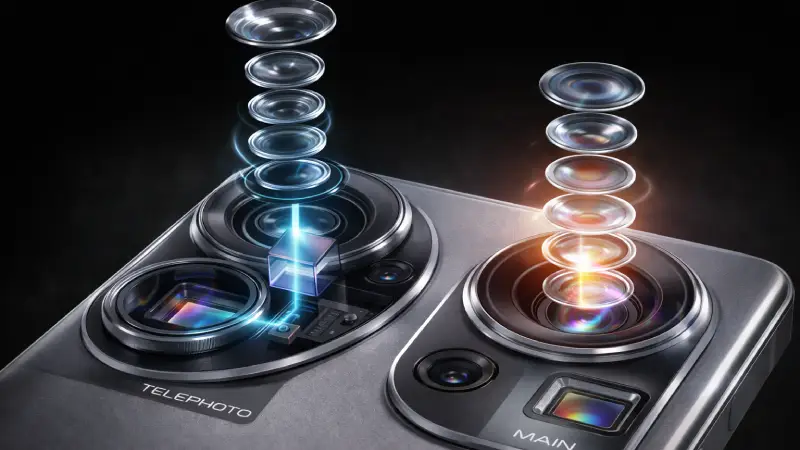
Video recording remains a weak point. The system uses three main elements, which include limited stabilisation, lower bitrates, and inconsistent autofocus.
Budget cameras meet basic user needs, yet they fail to deliver optimal photographic performance. Budget cameras meet basic user needs, but consumers should not select them as their main photographic equipment.
Network Band Support: A Global Dealbreaker
The essential yet commonly misunderstood aspect of budget 5G phonesrelies on their network band support. Many affordable models are designed for specific regions and may lack compatibility elsewhere.
This affects:
- International travellers
- Users importing devices
- Rural and emerging-market coverage
A phone that performs well in one country may struggle in another due to missing frequency bands. Sub-$300 devices include partial 5G support, which limits users to specific network bands instead of providing complete 5G functionality.
Global buyers need to check LTE and 5G band support when purchasing devices because it serves as an essential requirement.
Battery Life: Quietly Excellent
Ironically, budget phones deliver better battery performance than flagship devices. The device achieves extended battery life because of its combination of less powerful processors, lower resolution cameras, and simpler software stacks.
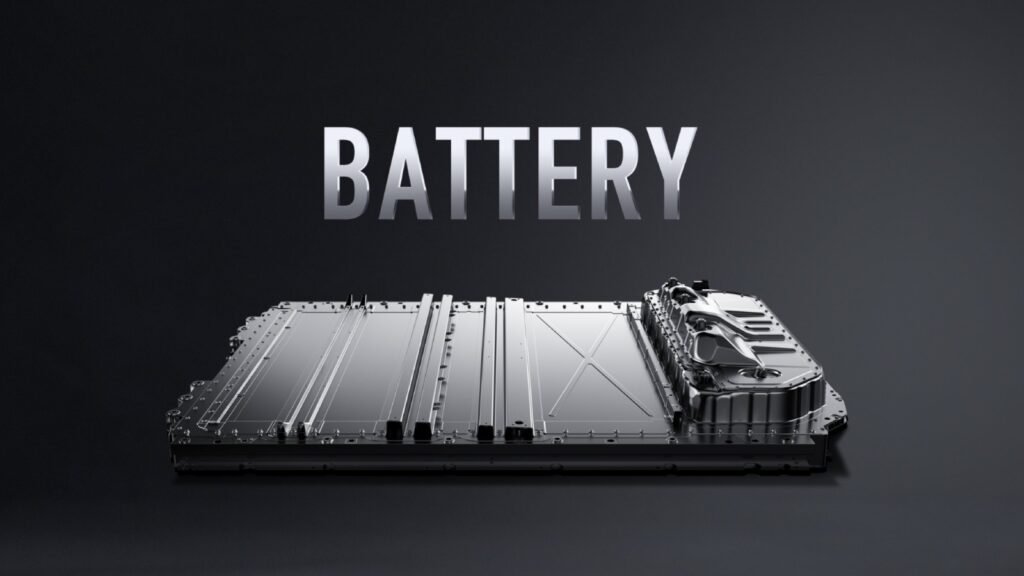
Many sub-$300 phones comfortably last:
- A full day of heavy use
- Two days of moderate use
Most systems allow users to charge their devices quickly, yet not all charging speeds deliver adequate performance for daily needs. Users do not expect wireless charging at this price point, although it remains uncommon. The battery life of devices will remain uncertain until the research confirms its performance over multiple years.
Build Quality and Durability
Budget phones use plastic materials for their frame and back designs because they do not offer glass-and-metal construction. Plastic materials create a design solutionthath provides strength and durability at a lower production cost.
Plastic materials provide superior weight advantages, higher impact resistance, and lower replacement costs compared to other materials. For users in regions that lack repair services, their products need to provide maximum durability instead of premium material quality.
Manufacturers provide basic splash protection as standard, but water resistance remains an uncommon feature.
Regional Brand Strategies
The budget 5G segment functions as separate markets, which different brands use to compete against each other. Different brands dominate different markets based on pricing strategy, local manufacturing, and carrier partnerships.
Asian and African markets use Android brands that focus on value to create new products through their wide market reach. European customers want better update policies wthatpromote sustainability as a growing product requirement.

North American customers prefer carrier compatibility and software stability above all other product features. The entire world does not have a single best budget phone. Customers need to select their optimal phone based on their particular region and personal requirements.
Who Should Buy a Budget 5G Phone in 2026? Budget 5G phones are ideal for
Budget 5G phones are ideal for Students and first-time smartphone buyers, users upgrading from older 4G devices, users who need a secondary or work phone, and long-term users who value battery life and reliability over cutting-edge features.
The following groups of users should not use the product:ct Mobile photographers, rs Hardcore gamers, Users deeply invested in premium ecosystems.
Understanding these boundaries prevents disappointment.
The Bigger Picture: Value Has Shifted Downmarket
The sub-$300 category demonstrates two major points,s which show that cheap phones have become more affordable while customer expectations now require different standards.
The industry standard requires all devices to include OLED display,s together with fast refresh display, a powerful processor,s and universal battery capacity. The industry competition now focuses on three main areas, which include software support, network compatibility, and system reliability. The budget phones of 2026 function as advanced tools that most people throughout the world can use.
Conclusion: The Smart Money Is Often Under $300
People from all over the world receive their best smartphone value by spending less than 300 dollars. Budget 5G phones deliver sufficient performance, battery life, and connectivity, which enable users to perform their daily tasks while maintaining fewer operational limitations than they expected. People need to make their selections through a careful process. Display quality, update policy, and network support matter far more than marketing buzzwords. The best budget phones of 2026 function as intelligent options that people should choose instead of selecting cheap products.
