

Highlights
- E-waste recycling guide explains what qualifies as electronic waste and its environmental and data-security risks.
- Provides step-by-step device preparation and secure data-wiping guidance before recycling.
- Covers authorized recyclers, producer take-back, and buy-back programs for safe disposal.
- Helps readers identify scam recyclers and handle hazardous batteries responsibly.
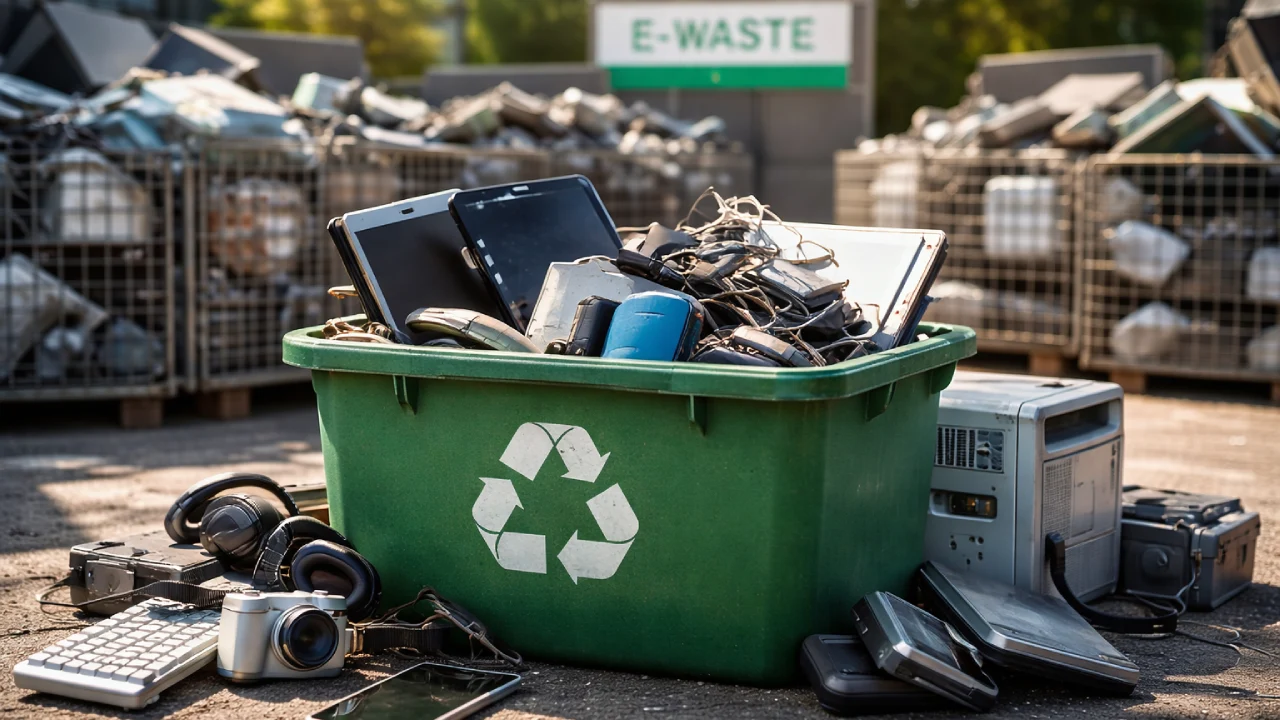
Electronic waste, or e-waste, refers to discarded electrical and electronic devices like smartphones, laptops, tablets, chargers, televisions, and household appliances. With the rapid pace of technology updates, e-waste has become one of the fastest-growing types of waste worldwide. If disposed of improperly, it poses serious environmental and health risks since electronics can contain harmful substances like lead, mercury, cadmium, and brominated flame retardants. At the same time, they also hold valuable materials such as gold, copper, and rare earth metals that can be recovered through proper recycling. Responsible e-waste disposal is an environmental necessity and a chance to reclaim resources.
E-Waste Recycling Guide: Why Safe Disposal Matters
Throwing electronics in regular trash or informal scrap markets often leads to unsafe dismantling methods. Devices might be burned or treated with acids to recover metals, which releases toxic fumes and contaminates soil and water. Additionally, improper disposal creates data security risks. Personal information stored on old devices can be retrieved if data is not adequately cleared. Safe e-waste recycling addresses these concerns by processing materials in certified facilities, securely destroying data, and adhering to environmental regulations.
Identifying What Counts as E-Waste
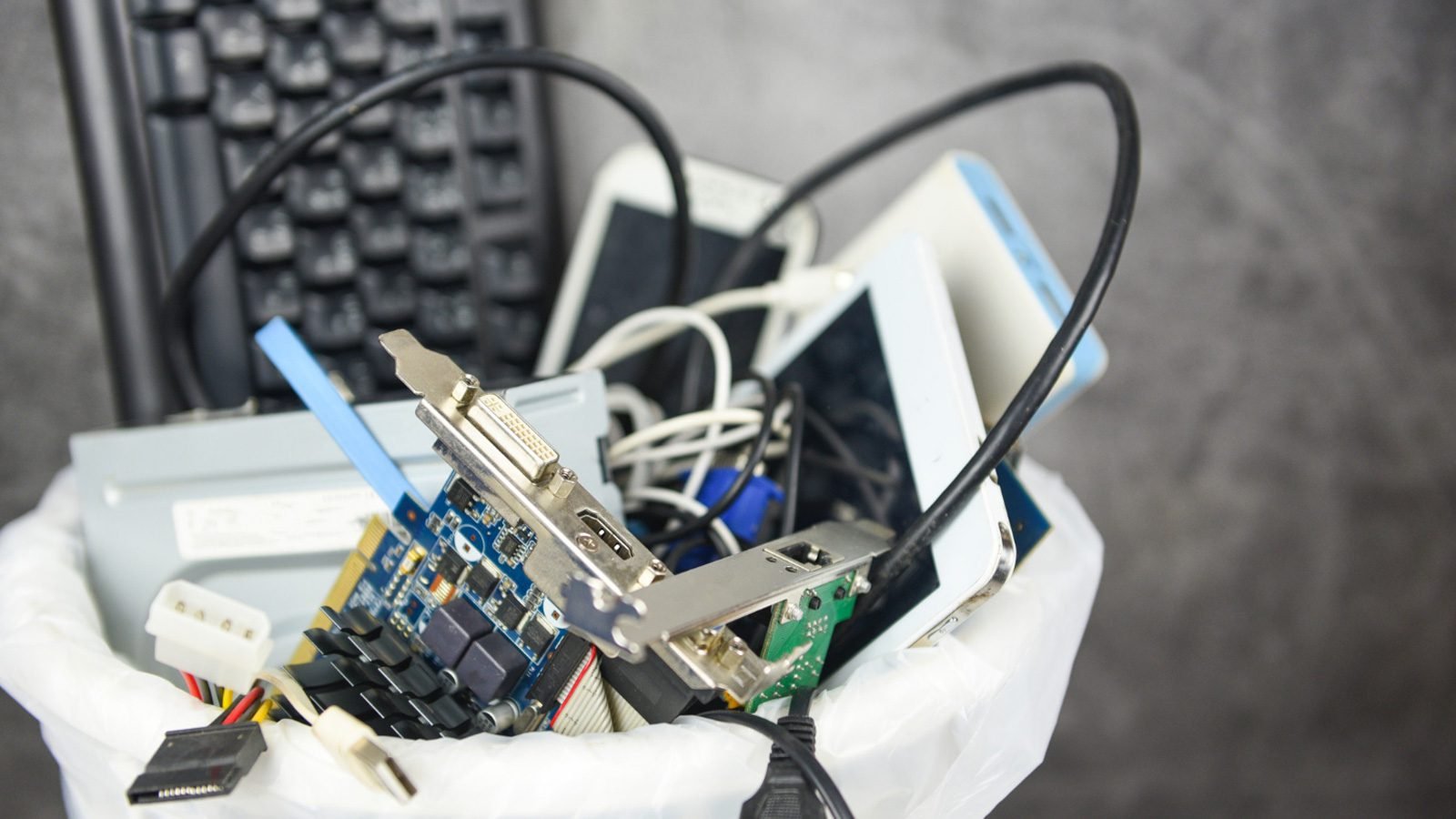
E-waste encompasses a wide array of products, not just large gadgets. Smartphones, feature phones, laptops, desktops, monitors, keyboards, mice, routers, headphones, smartwatches, power banks, batteries, cables, chargers, printers, cameras, and even small kitchen appliances all count. Accessories are often overlooked, but they contain metals and plastics that shouldn’t end up in landfills. Categorizing e-waste into devices, batteries, accessories, and peripherals streamlines recycling and lowers safety risks, particularly with lithium-ion batteries.
How to Prepare Devices Before Recycling
Before handing over any electronic device, basic preparation is crucial. Devices should be turned off and unplugged from chargers or accessories. If possible, remove batteries, memory cards, and SIM cards. For large appliances, check the manufacturer’s instructions for disposal, as some parts may need special handling. Keeping original receipts or warranty information is not necessary for recycling, but noting device model numbers can help with trade-in or buy-back options.
Wiping Data Securely from Old Devices
Data security is one of the most important steps in e-waste disposal. Simply deleting files or using a quick reset does not fully eliminate data. Backup smartphones and tablets, log out of all accounts, and then perform a factory reset with built-in secure erase options. For laptops and desktops, use full disk wiping tools that overwrite data multiple times. Enable encryption before wiping, as encrypted drives render leftover data unreadable. If devices are non-functional, professional recyclers that offer certified data destruction services are the safest choice. Physically destroying storage drives may be necessary for highly sensitive data, but this should be done by certified facilities.
Where to Recycle E-Waste Responsibly
Authorized e-waste recyclers are the safest option for disposal. Many countries have government-approved collection centers or producer responsibility programs where manufacturers take back old devices. Electronics brands often run trade-in or recycling programs through retail stores or service centers. Municipal collection events and dedicated e-waste drop-off points are also common in urban areas. For households, scheduled pickup services from certified recyclers can make disposal easy while ensuring compliance with environmental standards. Choosing recyclers that provide documentation or certificates of recycling adds accountability.
Understanding Producer Take-Back and Buy-Back Programs
Extended Producer Responsibility (EPR) policies require manufacturers to handle the end-of-life disposal of their products. In these programs, consumers can return old devices to the brand, sometimes for discounts or store credit. Buy-back programs are especially effective for smartphones and laptops, as devices can be refurbished for reuse or recycled for parts. These programs limit informal recycling and ensure that materials are processed in regulated facilities. Checking official brand websites or service centers is the best way to find legitimate take-back options.
How to Spot and Avoid Scam Drop-Offs
Not all recycling services are legitimate. Scam drop-offs may pretend to be recyclers but illegally dump e-waste or export it without proper treatment. Warning signs include a lack of certifications, refusal to provide documentation, vague answers about processing methods, and requests for unusually high fees. Some informal collectors might also extract data from devices before dismantling them. To avoid these risks, users should verify recycler credentials, check for government authorization numbers, and refrain from giving devices to unknown collectors or unverified doorstep buyers. Transparency is a key sign of a trustworthy recycler.

Special Handling for Batteries and Hazardous Components
Batteries, particularly lithium-ion types found in smartphones, laptops, and power banks, require special care. Damaged or swollen batteries can ignite if mishandled. They should never be crushed, punctured, or disposed of in regular bins. Many recycling centers have dedicated battery collection boxes, and retailers often accept used batteries separately. Other hazardous components like fluorescent backlights, CRT monitors, and circuit boards should always be handled by professionals, as improper treatment can release toxic substances.
The Role of Refurbishment and Reuse
Recycling is not the only responsible choice. If a device still works, refurbishment and reuse can extend its lifespan and lessen overall environmental impact. Donating devices to schools, non-profits, or community programs helps bridge digital access gaps. However, the same data-wiping precautions apply before donation. Refurbishment markets also create jobs and reduce the need for raw material extraction, making reuse a vital part of sustainable electronics management.
Building Long-Term E-Waste Responsible Habits
Responsible e-waste disposal should be part of a broader approach to using electronics. Buying durable devices, repairing instead of replacing, and choosing brands with clear recycling policies can greatly cut down e-waste generation. Keeping accessories organized, avoiding unnecessary upgrades, and recycling periodically instead of hoarding old devices also simplifies disposal and increases safety. Over time, these habits help reduce environmental harm while safeguarding personal data.

Conclusion
Safe e-waste recycling involves awareness, preparation, and informed choices. By understanding what counts as e-waste, securely wiping data, selecting authorized recyclers, and avoiding scam drop-offs, individuals can dispose of devices responsibly without jeopardizing the environment or personal security. As electronic consumption continues to grow, responsible recycling is essential for a more sustainable and secure digital future.