




Table of Contents
Highlights
- iOS 26 adoption is slower than iOS 18 and iOS 17, showing users are more cautious about upgrading this year.
- Liquid Glass UI looks modern but may cause eye strain, especially for students, workers, and older users.
- Small quality-of-life improvements like better alarms, fewer accidental swipes, and clearer notifications make daily use more reliable.
iOS 26 should have been a simple “update and move on” moment, but this time, many people are pausing. The real question is not just what Apple shipped, but whether your eyes, your habits, and your family are truly ready for it.

What’s Really Going On With iOS 26 Adoption?
- Around three‑quarters of iPhones released in the last four years now run iOS 26.
- Roughly two‑thirds of all active iPhones worldwide have upgraded.
- These numbers are solid, but still lower than iOS 18 and iOS 17 at a similar point.
This tiny gap tells a human story: people are more cautious this year. It is not that their phones cannot handle iOS 26; it is that they are unsure they want to live with the new look every waking hour.
For iPads, the pattern feels familiar. Many families and students treat their iPad as a shared “study and entertainment hub,” so a big visual shift makes them think twice.
Liquid Glass UI: Beautiful, But At What Cost?
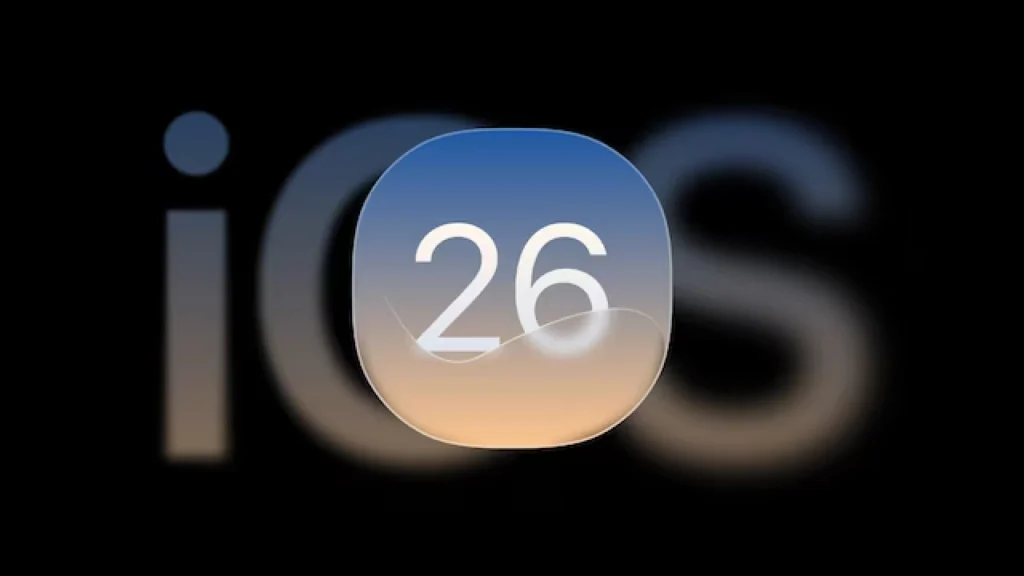
The most dramatic change in iOS 26 is the Liquid Glass UI. The interface feels shiny, layered, and fluid, like holding a phone wrapped in polished glass instead of flat tiles.
First week experience for many users:
- Day 1: “Wow, this looks premium.”
- Day 7: “Why do I feel more tired reading this screen?”
Where it can hurt daily life:
- Students on crowded buses struggle to read thin text over translucent panels.
- Office workers juggling calls, chats, and emails under bright lights feel more eye strain.
- Parents and older relatives who already squint at small fonts may suddenly feel lost.
It is not that Liquid Glass is “wrong.” It simply strains, dozens or hundreds of times a day. Apple quietly acknowledges this by offering a toggle to tone down the effect.
That helps, but if a new default needs to be dialed back for comfort, then is it really worth it to buy it?
The Quiet Wins: Small Tweaks That Matter All Day
While the design debate grabs attention, iOS 26 quietly fixes several everyday annoyances.
Key changes:
- Toggle for Liquid Glass effects to soften the new visuals.
- Option to turn off the lock‑screen swipe that used to open the camera by accident.
- “Slide to stop” gesture for alarms, making groggy mornings less clumsy.
- Screen‑flash notification alerts so you catch important pings even on silent.
- Controls to adjust how transparent the lock‑screen clock appears.
How this feels in real life:
- Families miss fewer calls from schools, deliveries, or doctors because alerts are clearer and harder to dismiss by mistake.
- Students catch last‑minute schedule changes and group messages thanks to reliable alarms and stronger visual cues.
- Young professionals and office workers make fewer accidental swipes during meetings or commutes, because the phone behaves more predictably.
All of this comes as a free software update.
In price‑sensitive markets like India, where an iPhone often has to last four to five years, these quality‑of‑life improvements matter a lot.
Are these small daily comforts worth living with a more demanding, polarizing design?
Does Where You Live Change The Answer?
Yes, your region and budget shape your decision more than you might think.
In the US and Western Europe
- Newer iPhones are common.
- Work, banking, and travel apps often nudge users toward the latest iOS.
- Most people eventually update, then slowly accept Liquid Glass as “just how iPhones look now.”
In India and Other Emerging Markets
- An iPhone can represent months of savings for a middle‑class family.
- Devices stay in use for four to five years, often passed down within families.
- A design shift that feels harder on the eyes can make the phone feel “older” even if performance is still fine.
So users here ask:
- Will my battery feel worse after the update?
- Will my everyday apps stay smooth and reliable?
- Will my parents or kids get confused by the new UI?
Meanwhile, app developers gradually design with iOS 26 as the baseline.
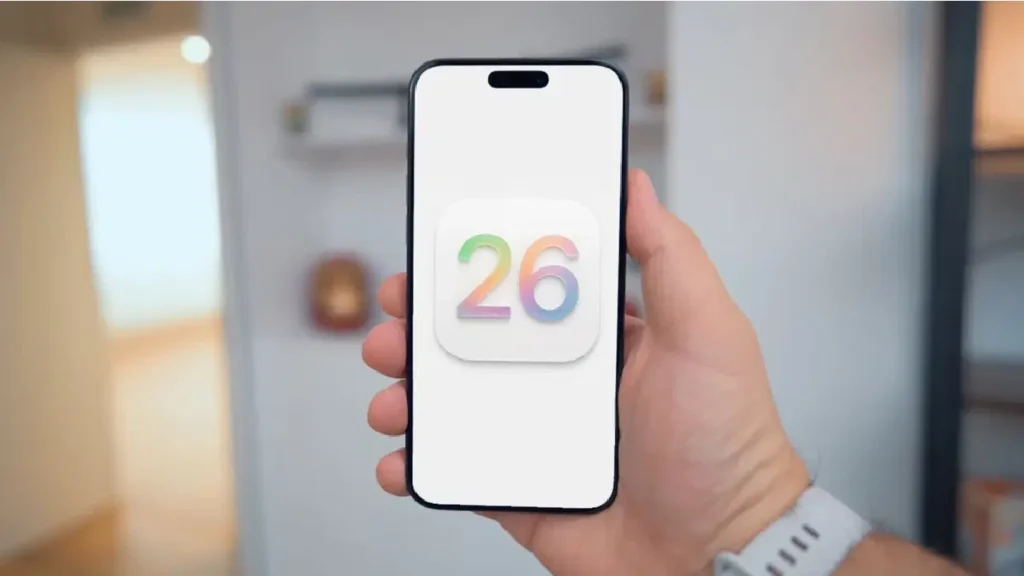
Over time, more new features and “best” experiences quietly assume you are on the latest version. The longer you wait, the more you risk seeing messages like “requires newer iOS.”
So, Should You Upgrade Now Or Wait?
Here is the honest balance from an everyday user perspective.
Upgrade Now If:
- You rely on your iPhone for work, study, parenting, or travel, and want the latest security and app compatibility.
- You are willing to spend an evening tweaking settings:
- Reducing Liquid Glass intensity
- Adjusting transparency
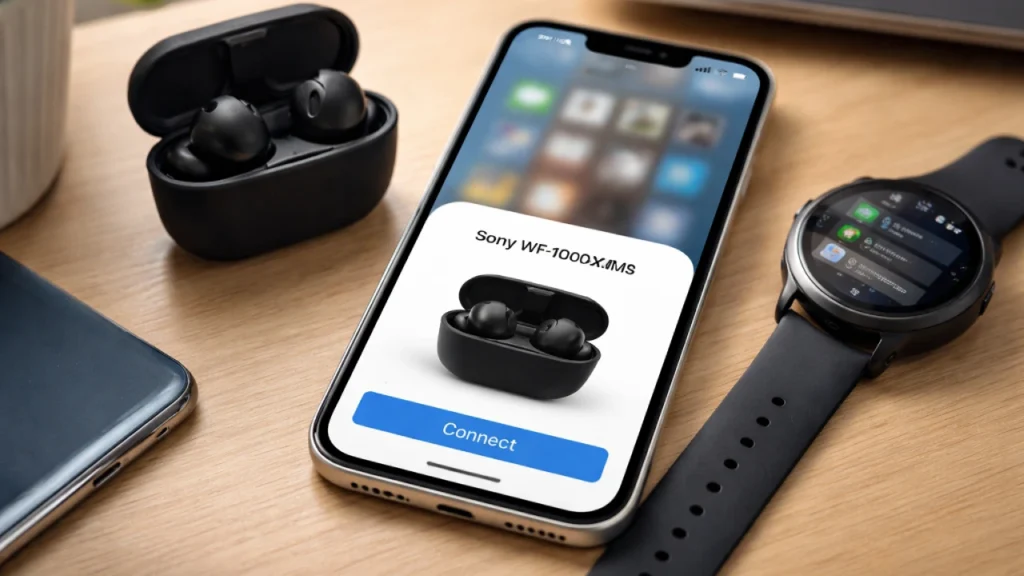
- Strengthening notifications
- You value small but real quality‑of‑life wins:
- Better alarms
- Fewer accidental camera launches
- Stronger visual alerts
Consider Waiting If:
- You or your parents already struggle with readability and dislike big visual changes.
- Your iPhone is older and feels close to its limits, making any heavy design update a bit risky.
- Your current iOS is stable, your key apps work fine, and nothing in iOS 26 feels truly essential yet.
So, is today the right day to move to iOS 26 and tune it to your liking, or is it wiser to wait, watch how others feel about Liquid Glass, and upgrade only when you are genuinely ready?
