

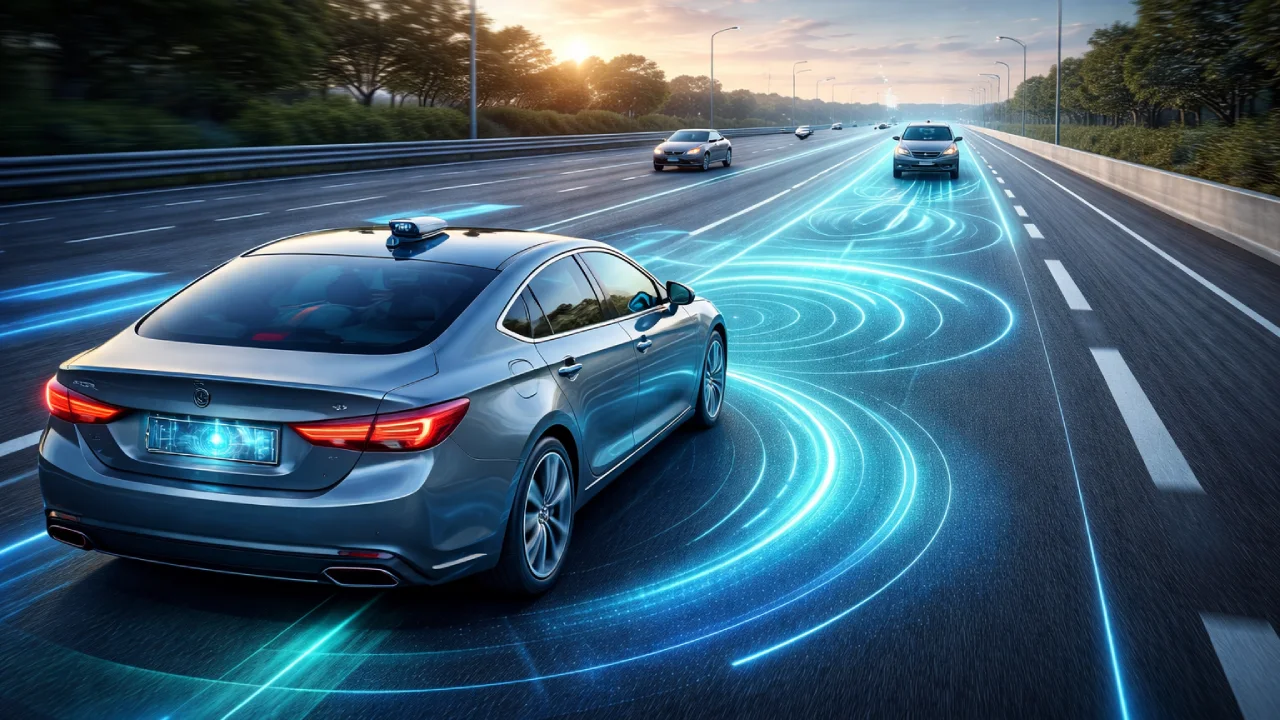
Advanced Driver-Assistance Systems, or ADAS, are a collection of technologies aimed at making driving safer and less stressful. Instead of replacing the driver, ADAS helps human decision-making by monitoring the environment, warning of hazards, and, in some cases, briefly intervening to prevent accidents. These systems use cameras, radar, ultrasonic sensors, and increasingly lidar, along with software that interprets road conditions in real time. As ADAS becomes common in more vehicle types, it’s essential to understand what these systems can and cannot do for safe use.
The Core Purpose of ADAS explained
The main goal of ADAS is to reduce risk. By helping with tasks like keeping the vehicle in its lane or managing speed in traffic, these systems aim to lessen fatigue, decrease human error, and lower the chances of crashes. It’s important to note that ADAS features are classified as driver-assistance tools, not as systems for autonomous driving. The driver remains legally and practically responsible for controlling the vehicle at all times.

Lane Keep Assist: How It Works
Lane Keep Assist helps prevent accidental lane departures. The system uses forward-facing cameras to detect lane markings and track the vehicle’s position within the lane. If the vehicle starts to drift without signaling, Lane Keep Assist applies gentle steering corrections to bring it back to the center. Some systems also issue visual, audible, or haptic warnings, like steering wheel vibrations, before taking action.
Lane Keep Assist is most effective on highways and main roads with clear lane markings. It’s especially helpful on long drives, where fatigue can lead to brief lapses in attention. By providing small corrections, Lane Keep Assist serves as a safety net rather than the main steering system. Under ideal conditions, it reduces the risk of run-off-road and sideswipe accidents.
Limitations
Despite its advantages, Lane Keep Assist has clear limitations. Poorly marked roads, construction zones, faded lane lines, heavy rain, fog, or snow can confuse the system. Sharp turns, narrow lanes, and urban streets with inconsistent markings may also lessen its accuracy. Importantly, Lane Keep Assist cannot predict complex driving situations, such as sudden obstacles or aggressive maneuvers by other drivers. Relying too much on the system can lead to delayed reactions when the driver needs to intervene.
Adaptive Cruise Control: A Smarter Speed Management Tool
Adaptive Cruise Control builds on traditional cruise control by automatically adjusting the vehicle’s speed to maintain a safe distance from the vehicle ahead. Using radar and camera sensors, Adaptive Cruise Control detects the vehicle in front and adjusts speed as traffic conditions change. In more advanced versions, the system can bring the car to a complete stop in traffic and start moving again when traffic clears, greatly reducing stress in congested situations.

Benefits
Adaptive Cruise Control enhances comfort and consistency, particularly during highway driving and stop-and-go traffic. By maintaining steady speeds and safe following distances, it can also improve fuel efficiency and decrease abrupt braking. For many drivers, Adaptive Cruise Control lightens the cognitive load, allowing them to focus more on their surroundings instead of constant speed adjustments.
Limitations
Adaptive Cruise Control is not a replacement for active driving. The system may struggle with stationary objects, sudden cuts by other vehicles, or vehicles going at very different speeds. Some systems may have trouble recognizing motorcycles, pedestrians, or vehicles changing lanes. Weather conditions like heavy rain or fog can also affect sensor performance. Drivers must remain prepared to brake or steer at all times, even when Adaptive Cruise Control appears to work smoothly.
When Systems Work Together: The Illusion of Autonomy
When Lane Keep Assist and Adaptive Cruise Control work together, the driving experience can feel semi-automated, especially on highways. This combination is sometimes marketed as highway assist or level 2 autonomy. While convenient, this setup still requires the driver to stay engaged. Systems that monitor hand position on the wheel and alert drivers to pay attention help ensure engagement, emphasizing that the driver is still responsible.
Why ADAS Is Not Self-Driving
ADAS systems cannot fully understand context or predict human behavior. They cannot handle complex ethical decisions, unexpected road layouts, or unusual traffic patterns reliably. They also cannot replace defensive driving skills, such as anticipating hazards, making judgment calls, or creatively responding in emergencies. Treating ADAS as if it were autonomous driving raises the risk of complacency and accidents.
Using ADAS safely starts with understanding its capabilities and limitations. Drivers should read the vehicle manual, learn when features are active, and recognize alerts indicating system disengagement. Keeping sensors and cameras clean ensures optimal performance. Most importantly, drivers should keep their hands on the wheel, eyes on the road, and stay mentally engaged, even when assistance features are in use.
Legal Responsibility and Future Outlook
Legally, ADAS does not transfer liability from the driver to the vehicle manufacturer in most places. If an accident happens while ADAS is active, the driver is usually considered responsible. This makes informed and attentive use both a safety and a legal issue.
Igor Stepanov/Unsplash
ADAS technology continues to improve through advancements in sensor integration, artificial intelligence, and real-time mapping. These technologies will enhance reliability and capabilities, but they will still have defined limits for the foreseeable future. True autonomy remains a separate goal, needing regulatory, technological, and ethical breakthroughs beyond current ADAS capabilities.
Conclusion
Advanced Driver-Assistance Systems represent a significant step forward in road safety when used properly. Lane Keep Assist and Adaptive Cruise Control can reduce fatigue and help avoid common driving mistakes, but they are aids, not substitutes for human judgment. A balanced approach—taking advantage of the benefits while respecting the limits—ensures that ADAS enhances safety instead of creating new risks.