
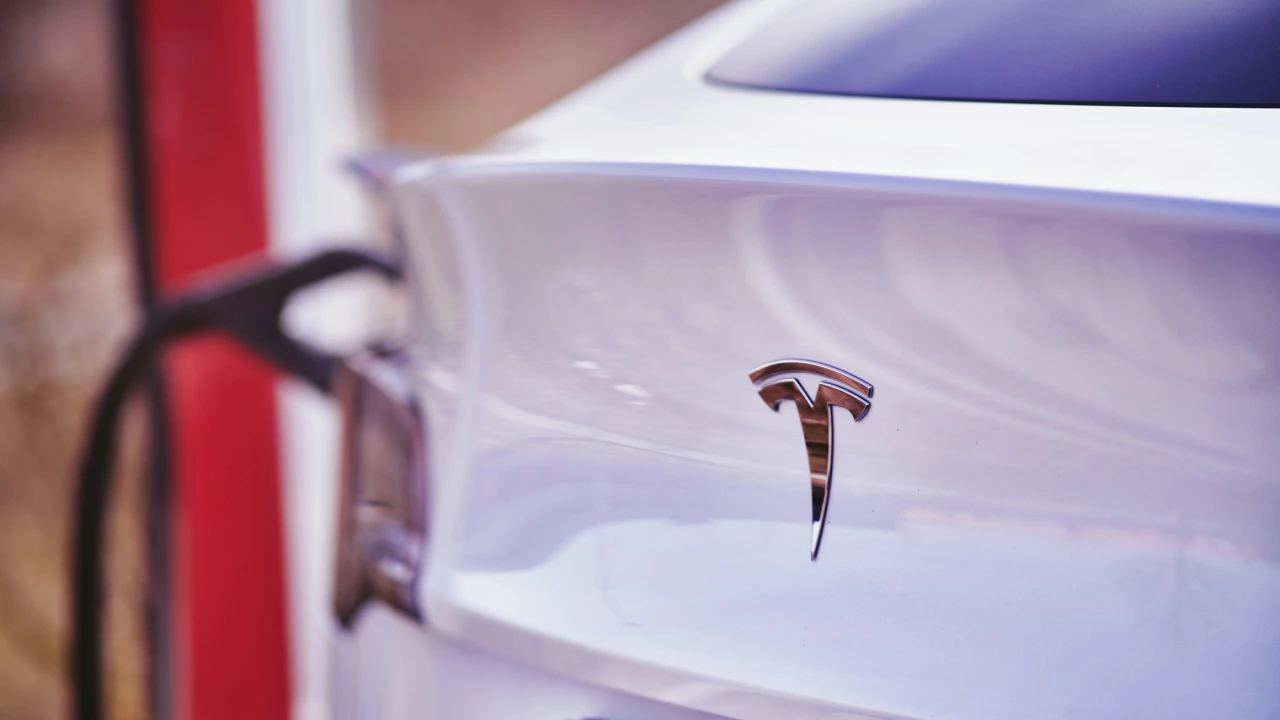
Tesla Korea AI Chip hiring push is now underway, with the company posting new roles for AI Chip Design Engineers to support a major project focused on building high-volume artificial intelligence chips.
As part of the application, Tesla Korea’s AI Chip listing asks candidates to submit a resume along with brief write-ups explaining the three toughest technical challenges they have successfully solved, signaling the company is looking for top-tier engineering talent.
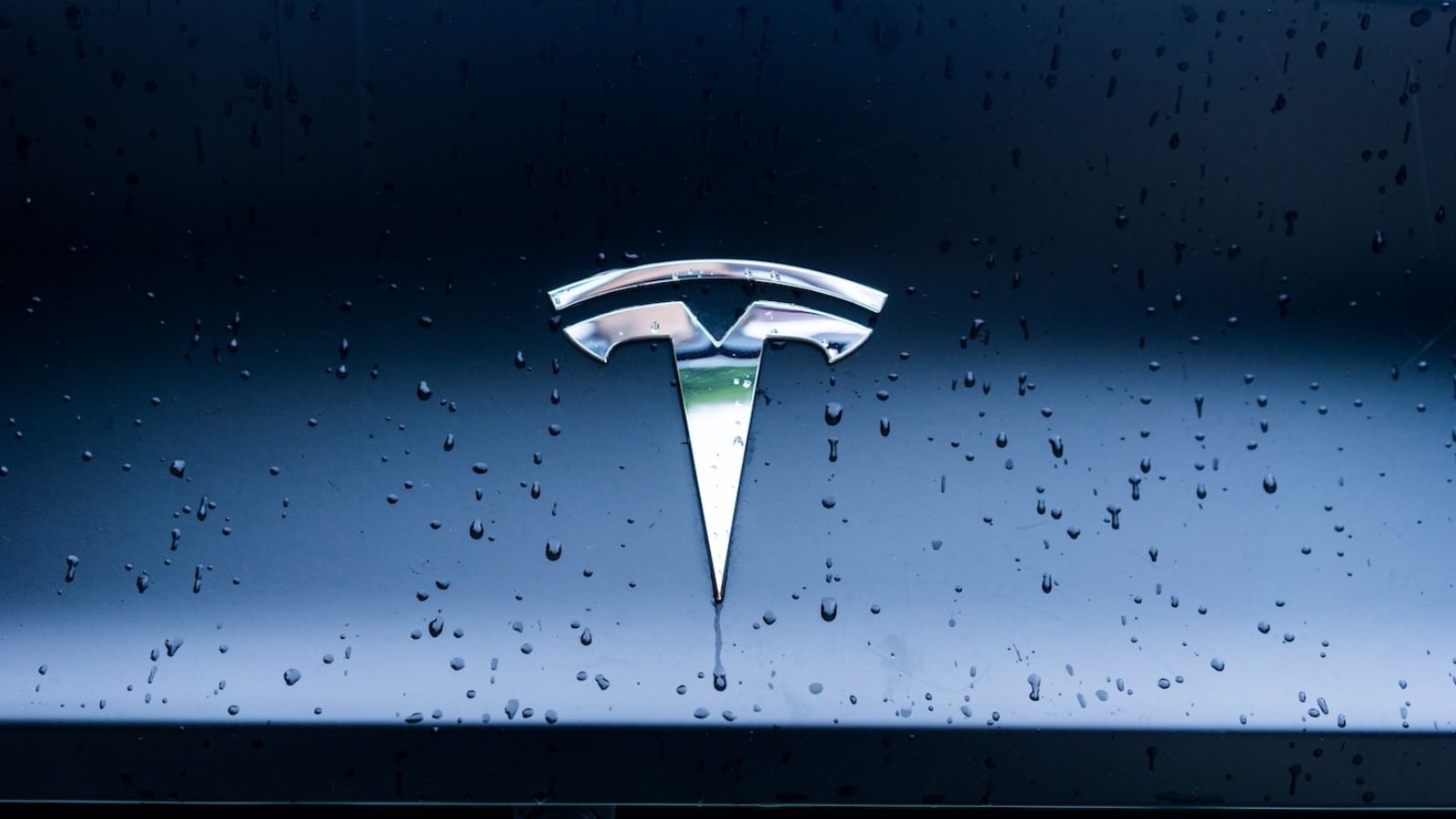
AI chips are essential hardware that enable sophisticated machine learning operations, and Tesla plans to use its proprietary AI silicon for self-driving vehicles, robotics systems, and data center processing.
Elon Musk’s Personal Push for Korean Talent
Elon Musk, Tesla CEO, did not allow the company’s job postings to stay inactive because he directly participated in the recruitment process through his social media activities.
In a post on X (formerly Twitter), Musk shared Tesla Korea’s job posting. He included South Korean flag emojis and an invitation for Korean residents who wanted to work at Tesla.
The message is aimed squarely at Korean engineers and highlights Tesla Korea AI Chip hiring as a serious push to attract semiconductor and AI talent from one of the world’s strongest tech regions.
Since then, several Korean news outlets have amplified Musk’s post, reporting that the CEO is actively encouraging Korean chip and AI professionals to join the Tesla Korea AI Chip effort and support the company’s broader mission.
Why Korea Matters for Tesla’s AI Chips
South Korea boasts some of the highest-quality semiconductor engineering skills and manufacturing facilities found anywhere in the world. This area houses major semiconductor companies, including Samsung and SK Hynix.
By recruiting engineers in Korea, Tesla gains several advantages:
The company gains access to deep talent pools that possess expertise in advanced chip design and architecture.
The company can establish better connections with regional chip foundries and suppliers. This development will help the company to work together on fabrication and prototype testing.

The company needs to develop its next-generation AI silicon. This situation requires the company to create faster innovation cycles, which will help it compete with NVIDIA and AMD.
Tesla’s recruitment effort supports its ongoing chip development programs. The company needs to maintain control over its entire silicon production process.
Part of a Larger AI and Silicon Ecosystem Push
The hiring in Korea isn’t happening in isolation. Tesla has been expanding its in-house silicon development more generally. The company has created new positions throughout the United States. These positions focus on lithography and etching, as well as all types of fabrication work.
The effort backs up Tesla’s business activities.
The company powers its Full Self-Driving (FSD) systems through custom-built AI chips.
The company provides Optimus humanoid robots and other robots with energy-efficient silicon that delivers high-performance capabilities.
The company expects to reach silicon production levels that match or exceed its current production capacity.
The reports show that Tesla uses its chip strategy to establish partnerships and organize supply chain operations for its upcoming chip technologies, which will be manufactured at regional foundries.
Conclusion: A Calculated Talent and Tech Play
Tesla’s recent hiring push in South Korea is more than just a job posting — it’s a strategic initiative that signals a broader commitment to building cutting-edge AI silicon from the ground up.
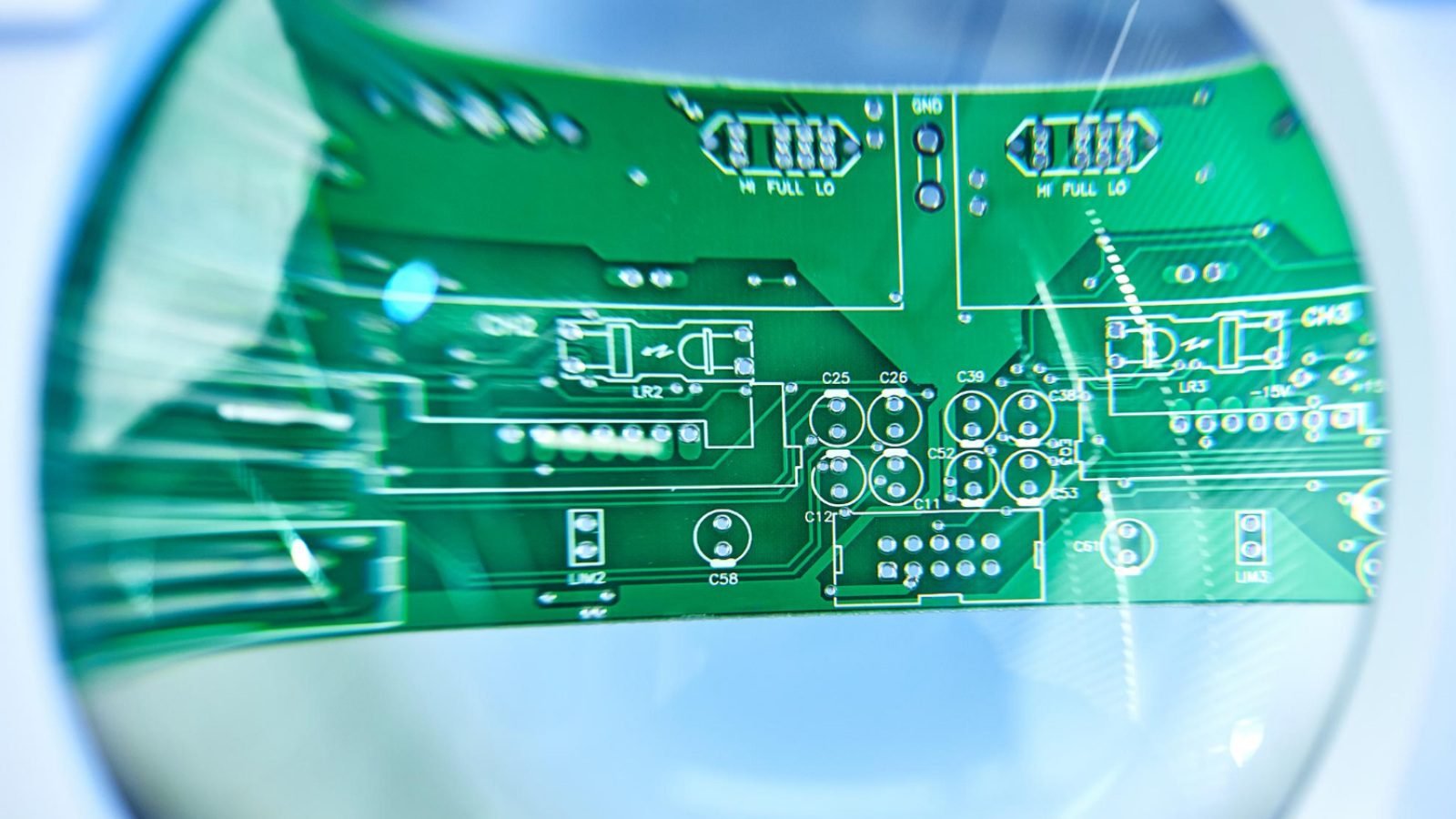
Tesla issued a public invitation to Korean engineers, which its CEO announced, to access the world’s top semiconductor expertise and enhance its capabilities in AI chip design and production.
The project offers engineers the opportunity to work on a critical initiative that integrates electric vehicles, autonomous systems, and artificial intelligence. The project requires hardware expertise, which is increasingly essential to success.