
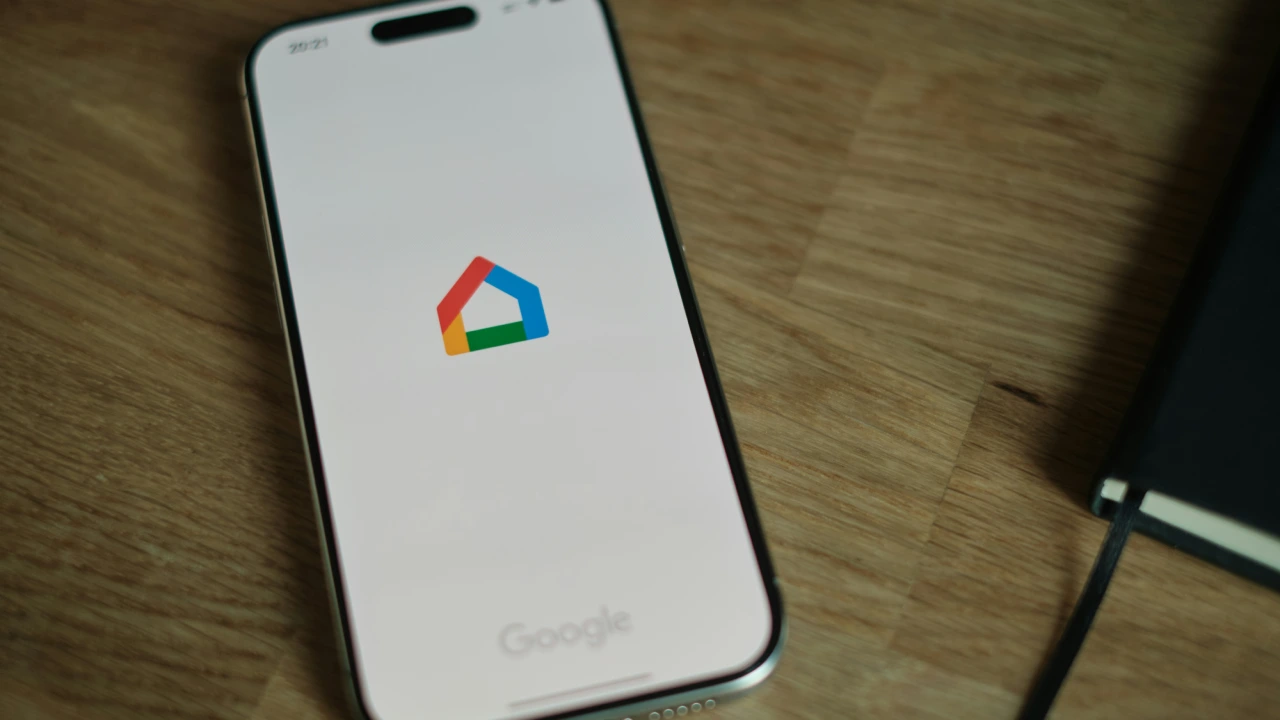
Google has acknowledged ongoing issues affecting Google Home devices and the wider smart home ecosystem tied to its platform. This has sparked concern among users on forums like Reddit and tech news sites. Users report problems such as unreliable device responses, frequent automation failures, inconsistent connectivity, and frustrations with Google’s changing product plans. As more people adopt smart home technology, reliability issues with a major platform like Google Home have led to discussions about the challenges of scaling connected systems.
Widespread Reports of Broken Experiences
In recent months, users on platforms like Reddit’s r/GoogleHome community have increasingly shared stories about their Google Home setups—including smart speakers, displays, lights, thermostats, and routines—performing as expected. Complaints include commands that don’t register, devices that fail to respond without clear error messages, automations that trigger incorrectly or not at all, and unexplained device disconnections from the network. These issues seem to affect a wide range of hardware and smart home vendors, suggesting systemic problems rather than isolated incidents.
Some posts describe long-term instability and note that well-functioning automations suddenly stop working. This is frustrating for users who rely on these features for daily convenience and accessibility. For people with accessibility needs or those who depend on voice-activated systems for mobility support, such inconsistency can significantly impact their independence.
Google’s Acknowledgment and Response
In light of these growing concerns, Google has acknowledged “known issues” affecting the Google Home platform and related devices. According to reports from Android Police and discussions in the smart home community, Google has confirmed that its teams are investigating reports of automation instability, unresponsive devices, and inconsistent connectivity. While official responses vary in detail, the acknowledgment shows that the company recognizes the scale of the problem and is not dismissing it as isolated user error.
Although Google has not yet published a detailed public plan to address the issues, its customer support channels and product forums have begun offering status updates confirming a broader problem. Some users have reported getting automated messages from Google support suggesting troubleshooting steps, such as re-authenticating accounts, unpairing and re-pairing devices, resetting routines, or updating device firmware. However, many find that these fixes provide limited long-term relief.
Why Reliability Matters in Smart Homes
Smart home systems are most useful when they are reliable. Consumers expect connected lighting, thermostats, security systems, and voice assistants to work seamlessly and dependably. Platforms like Google Home promise convenience, such as turning off lights from anywhere, automatically adjusting thermostats when residents arrive or leave, or responding to voice commands while cooking. When these expectations are unmet, user frustration can quickly diminish confidence in the ecosystem.

This is especially important when smart home functions relate to safety or security features. Automated locks, video surveillance, and environmental sensors (such as smoke and carbon monoxide detectors) need to work reliably. Users expect these systems to function without needing frequent fixes or troubleshooting. When the underlying platform fails, even non-critical features can seem unreliable.
The smart home market is highly competitive, with rivals such as Amazon’s Alexa and Apple’s HomeKit vying for users’ loyalty. Ongoing reliability issues can sway consumer preferences, leading some to explore other ecosystems that appear more stable.
Community Reactions and Frustrations
Reactions in online communities have been strong. Many users appreciate that Google is finally acknowledging what seems like long-standing issues, but others are frustrated that it took months for broader recognition. Some users describe a pattern of “two steps forward, one step back,” in which updates or new features introduce new instabilities or setbacks.
Others point out that some issues existed before Google Home integrated with Google Assistant and routines, indicating underlying architectural challenges. Users have noted that voice commands work inconsistently, while the same commands used in routines fail completely. These inconsistencies make troubleshooting hard, as behavior is often unpredictable.
Moreover, reports show variations in performance among different devices. Some third-party smart lights or thermostats operate more reliably than others. This uneven reliability complicates users’ efforts to determine whether the problems stem from Google’s platform or from specific device integrations.
Google’s Possible Path Forward
While Google has not shared a complete timeline for fixes, the acknowledgment suggests the company is actively investigating root causes. Large-scale connectivity and automation issues often require system-wide changes, such as software updates to the cloud services that support the Google Home backend, improved local device discovery protocols, and better handling of how routines and automations are saved and executed.
One possible focus area is strengthening the integration between Google Assistant, the Home app, and third-party device APIs. Ensuring that communication from the cloud to devices remains reliable, even when a user’s local Wi-Fi or internet connection is unstable, is crucial to reliability. Another potential improvement is to develop better diagnostic tools within the Google Home app to help users understand why certain routines fail or why devices become unresponsive.

The Road Ahead for Google Home Users
In the near future, users should keep devices and apps updated, check community forums for shared workarounds, and provide feedback through official support channels. Google’s acknowledgment of these issues is a positive first step, but the broader community is looking for transparency and measurable improvements.
As smart home expectations rise, platforms that deliver consistent, reliable performance will earn user loyalty. For Google Home, addressing these stability issues will be critical to maintaining competitiveness and user trust in a system that is quickly becoming central to everyday life.