

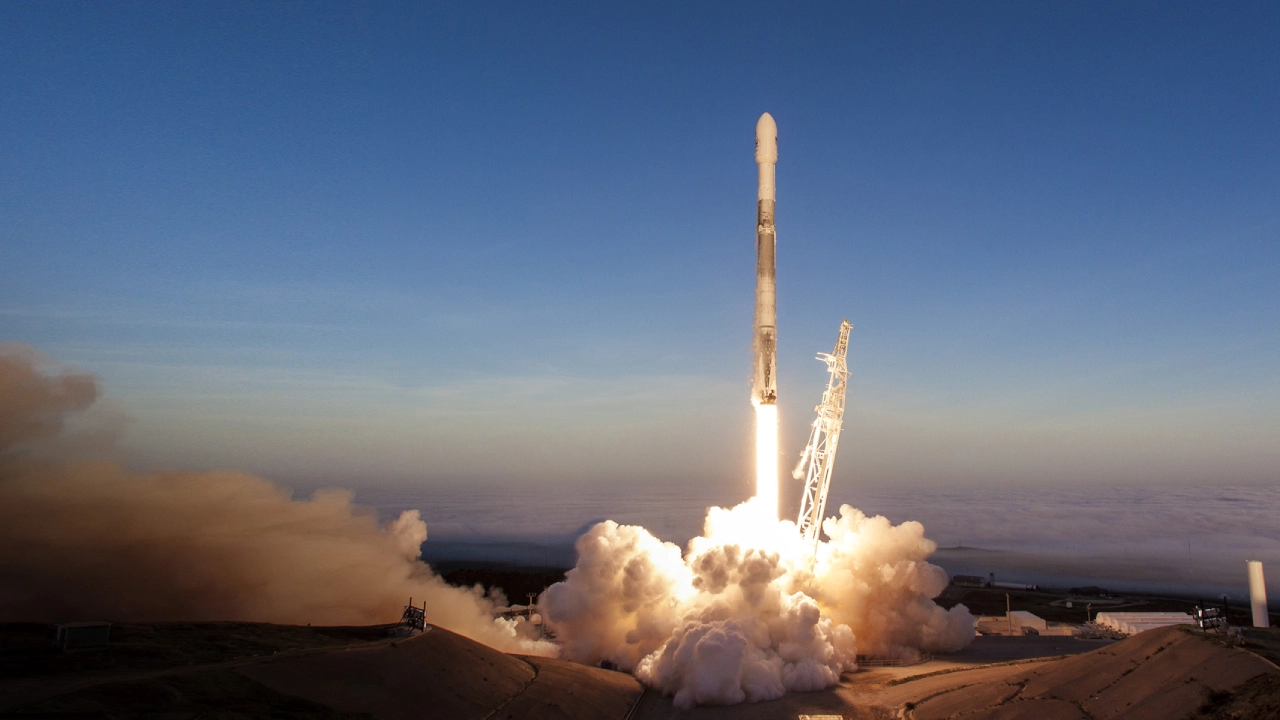
On February 19, 2026, SpaceX launched a Falcon 9 rocket from Cape Canaveral Space Force Station that delivered payloads to low-Earth orbit and returned its first-stage booster to a droneship in the Atlantic Ocean off the coast of the Bahamas. This was SpaceX’s second Falcon 9 launch of the day.
During this flight, SpaceX broadcast the launch live and confirmed it with live audience members via the SpaceX website and/or X.
Overall, this mission clearly demonstrates how normal the ‘reuse’ of Falcon 9 rockets has become for SpaceX and how quickly SpaceX is moving forward in meeting its launch demand for 2026.
Falcon 9 Launch and Booster Landing Details
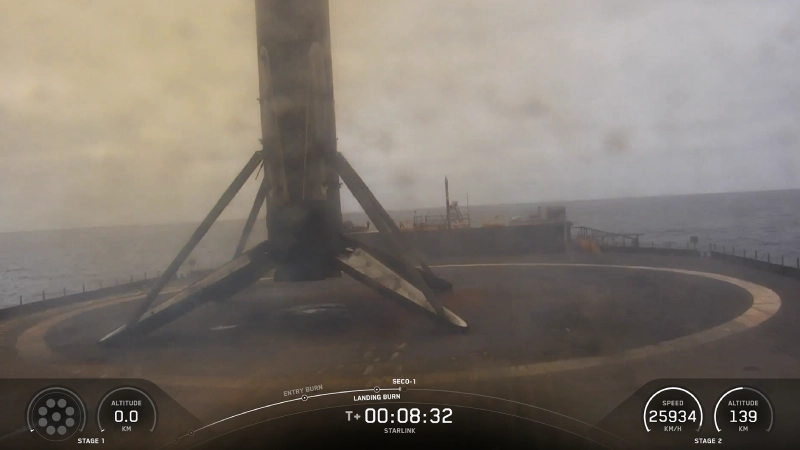
SpaceX Falcon 9 launched on time from Cape Canaveral without any issues during ascent. After stage separation, the second stage continued to low Earth orbit while the first stage returned toward Earth. The booster landed safely on SpaceX’s droneship “Of Course I Still Love You” in the Atlantic Ocean north of the Bahamas.
SpaceX has been providing updates on the recovery of the Falcon 9 via Twitter (now X), where media and other online access have been available for the most recent Falcon 9 first-stage recovery operation.
Why the Bahamas Landing Is Important
SpaceX now regularly recovers Falcon 9 boosters either on land at Cape Canaveral or on droneships at sea, depending on mission needs and the energy required to send the payload into orbit. Landing a booster near the Bahamas shows the company can adjust recovery plans based on each rocket’s flight path.
This flexibility helps when there are multiple launches close together. It also shows that the recovery system works well beyond just one fixed area. For SpaceX, Falcon 9 booster landing recovery is not just a bonus feature. It is a key part of its business model.
Second Falcon 9 Launch of the Day
There was an additional reason why this mission was remarkable; it was also the second Falcon 9 launch on the same day.
Among SpaceX, back-to-back (2) launches have become more common; over the years, there has been a continued increase in SpaceX’s launch rate.
Accomplishing two missions in less than a single day demonstrates the confidence that SpaceX has in the operational efficiency, as well as being an indicator of the current level of market demand for satellite and other related space launches.
As it stands today, there is no comparable launch offering to the Falcon 9, and thus it continues to be the dominant launch vehicle in use at present.
How Falcon 9 Reusability Works
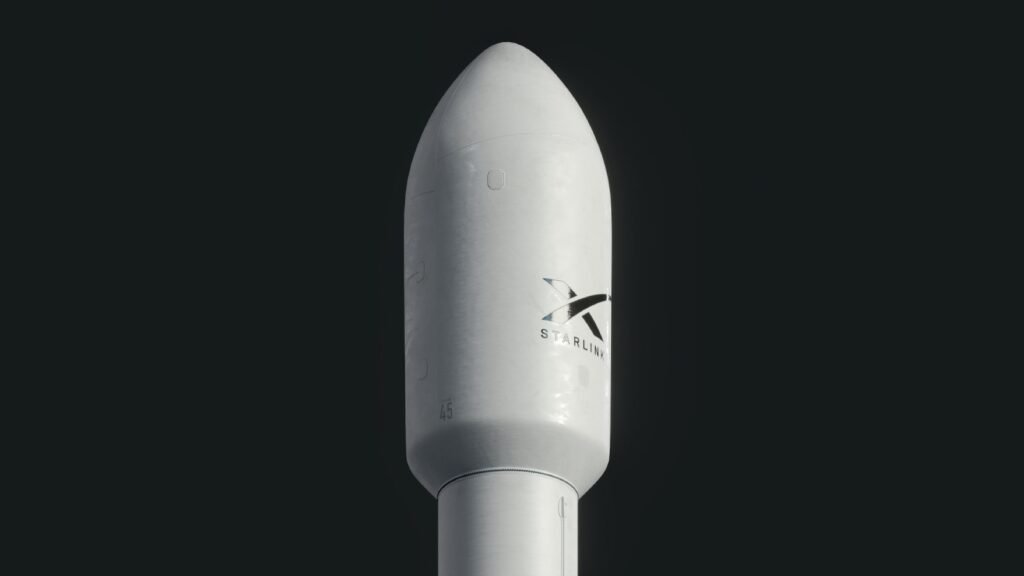
The first-stage booster is designed to return after launch. Once it separates, it performs a series of engine burns to guide itself back. SpaceX’s reusable rocket system consists of three main phases: it will fly out into space, it will re-enter the atmosphere, and it will execute a landing burn before landing.
After landing (either on a droneship or a land-based landing zone), the booster will be inspected and checked to determine its reuse for future missions.
SpaceX’s reuse system reduces costs and enables launch schedules to proceed faster than would otherwise be possible, since they can reuse the same booster hardware instead of having to construct new boosters for each launch. This new method of reusable rocket technology has had a tremendous impact on the space industry over the past 10 years.
Public Reaction and Live Coverage
Websites like Spaceflight Now and Space.com streamed the launch live. Audiences saw the rocket launching, as well as the booster landing on the droneship.
Although landing rockets is becoming more prevalent, they still generate a lot of viewing traffic. Many users shared clips of the landing shortly after it happened. SpaceX’s regular live streams have made space launches more accessible to the public.
A Busy Year Ahead for SpaceX
SpaceX has once again recovered a rocket near the Bahamas, showing its growing launch flexibility. The Falcon 9’s reliable and reusable design helps the company maintain a high launch pace. While a second landing in the region may seem small, it highlights how normal reusable rocket missions have become today. SpaceX is no longer just testing this system. It is running it at scale, mission after mission.