


Highlights
- Voice-controlled and hands-free tech is empowering elderly and disabled users to interact with devices independently.
- Simplified devices feature large text, easy navigation, and dedicated emergency functions specifically designed for accessibility.
- Wearables and health monitoring technology enhance safety, facilitate fall detection, and promote independent living.
- Inclusive design ensures accessibility isn’t an afterthought, benefiting all users through universal usability.
Accessible Tech can make life easier, but it is also true that poor design and complex interfaces have been major limitations for the elderly and disabled in utilizing digital tools. The increasing global aging population and the rising intolerance towards barriers in the form of technology have made the issue of tech accessibility a strict requirement rather than an option in the modern world of gadget design.
In this day and age, the word assistive has become synonymous with a wide range of technology products—from basic mobile phones and voice command-controlled home assistants to wearable health monitors and smart home devices. The objective of these products is to a large extent to eliminate the physical, sensory, and cognitive limitations of the users, thereby granting them more independence, safety, and self-confidence.
Accessible Tech Gadgets and Voice-Controlled Technology
Technology that can be controlled by your voice has become one of the most important innovations in accessibility. People who have limited mobility, are blind, or cannot use their hands easily can at least interact fully with electronic devices by using voice commands, thus eliminating the need for touch.
Voice systems allow users to perform the following actions:
- Call and text
- Manage household appliances, for example, control the lights and the fan
- Remind of medications and appointments
- Get information and enjoy entertainment

For the elderly, this is a way to rely less on advanced interfaces. For the differently-abled users, it brings back their independence in activities of daily living, which otherwise require help.
Simplified Smartphones and User Interfaces
Conventional smartphones with small icons, layered menus, and touch-based navigation are difficult to use for most seniors and users with cognitive or motor challenges. Due to this, simplified phones and accessibility-oriented interface modes have become widespread.
Here are the main features of the gadgets:
- Large, highly visible text and buttons
- Very few menus and simple navigation
- Emergency or SOS functions are dedicated
- Sound output is very loud and clear
- Besides the specialised devices, recently manufactured smartphones have accessibility settings that allow users to change font sizes, contrast levels, gesture controls, and navigation methods to their liking.
- Built-in accessibility features in modern operating systems
- Mainstream mobile operating systems now come along with powerful accessibility tools to support a wide range of needs.
These features are directly integrated into the devices, thus there is no need for third-party apps or extra hardware.
The most common accessibility tools are:
- Screen readers for those who cannot see
- Magazines for reading very small text
- Assistive touch controls for people with very little motor function
- Haptic feedback and audio cues for better interaction
System-level features like this one make technology more inclusive for everyone, without dividing the users into niche categories.
Assistive Wearables and Health-Focused Devices
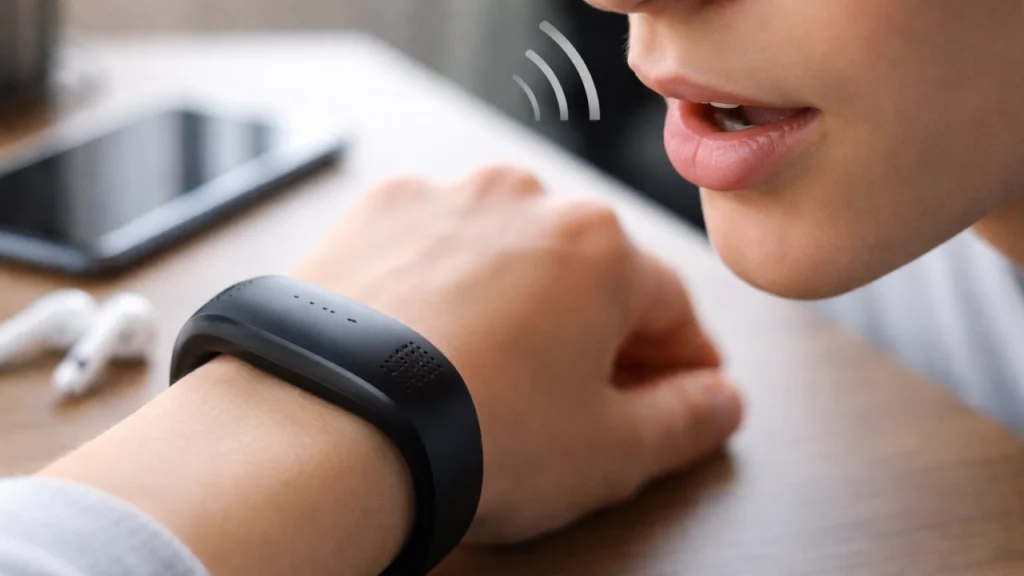
The use of wearable technology is constantly growing in terms of accessibility, especially in personal safety and health monitoring areas. Except for fitness wearables, devices designed for accessibility concerns mainly reliability and easy handling rather than performance metrics.
This type of technology often allows:
- Detection of falls and emergency alerts
- Monitoring of heart rate and oxygen levels
- Tracking of location for users with memory-related problems
- Reminders of medication and notifications of routine
These devices are a source of comfort and a way of reducing the necessity of constant supervision for older adults living alone and those with chronic illnesses.
Smart Home Technology for Independent Living
The gadgets of smart homes are increasingly being considered as the main tools for making living environments accessible. Automated lighting, smart door locks, and voice-controlled appliances are the main elements that help the user manage the surroundings with the least physical effort.
Users of wheelchairs or the ones with mobility limitations are getting rid of daily hurdles with the help of automation. In the case of the elderly, smart home systems not only support their safety but also help in fall prevention and easier access to emergencies.
Assistive Apps and Software Solutions
The concept of accessibility has gone beyond hardware. Software and mobile applications are the main contributors to or facilitators of communication, movement, and access to information.
Some of the occurrences are:
- The text-to-speech technology, which vocalizes the digital content
- The communication applications that support individuals with speech impairment
- the navigation applications that mark the accessible places and the routes
These all put together form a set of tools that not only fill the gaps that hardware cannot address alone.
Challenges in Accessibility Technology
Even with the continuous progress in technology, accessibility is still a very long way off and has a few tech challenges to solve, including the high costs, which are the main reason for the limited use of low-income people. Another point to be noted is that no localization is provided in the case of local languages and usages. Alongside this, devices and platforms have different accessibility standards—some are very strict while others are quite lax.

For full accessibility to come about, it would take not only the dreams of cutting-edge technology but also the realization that it must have an affordable price tag, education, and inclusive trials with users from the various segments of society.
The Role of Inclusive Design and User-Centered Development
One of the most significant transformations in accessibility technology is not a gadget or a feature but a transposition in the way products are conceived. Inclusive design is the approach that considers all possible users in the technology-making process from the very start and does not add accessibility features later as an afterthought.
Previously, many assistive devices were made with the intention of very specific users in mind, and subsequently, the creation of products that felt medical, stigma-infused, or hard to integrate into daily life was common. But now designers are adopting user-centered practices, which is changing this situation. More and more manufacturers are bringing the elderly and the disabled into their development and testing process directly, thus ensuring that innovation is guided by real-world needs.
This method concedes that accessibility is a quality that varies from less to more. A disability-related feature — like voice control or large text — is often the case that it eventually serves a much larger audience, which includes elderly people, those who are temporarily or partially incapacitated, etc. Therefore, inclusive design is a great facilitator as far as usability is concerned, and it is not limited to a certain demographic.
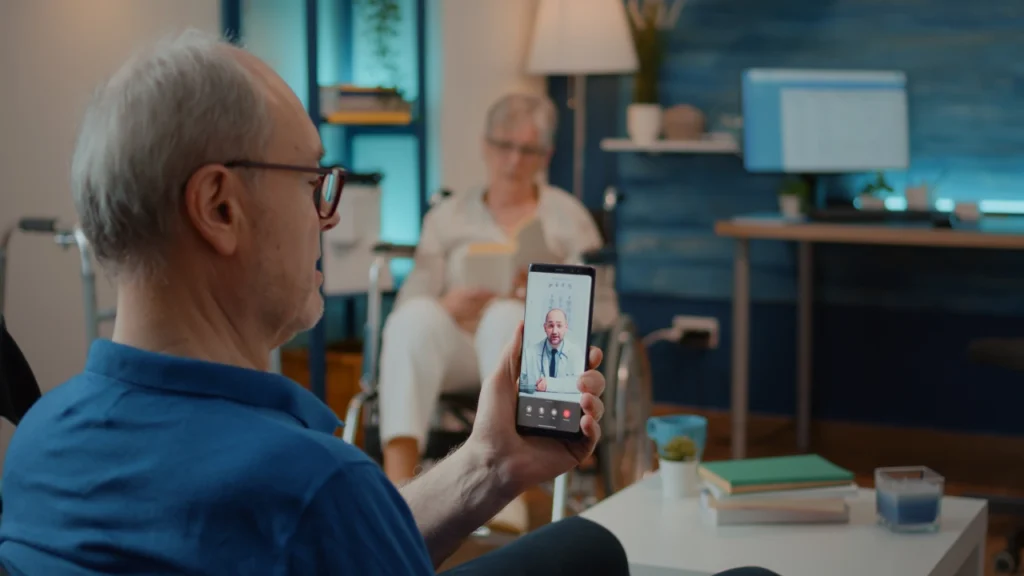
On the other hand, to have true inclusion, it is not enough to just have good intentions. The practice requires a long-term commitment, diverse testing groups, and a very open-minded approach to redesigning products every time a usability barrier is detected. When accessibility is considered a fundamental design principle rather than a legal compliance requirement, technology becomes more intuitive, adaptable, and humane.
Conclusion: Toward a More Inclusive Digital Future
The aim is to design tech that is more and more accommodating, for example, through voice-controlled assistants, easier-to-use phones, assistive devices in the form of smart clothing, and the smart home system. The gadgets are more than just machines—they bring about a new world of people who are independent, treated with respect, and included in all human activities.
As more tech firms embrace the idea of inclusive design, the issue of accessibility becomes more and more central to the process of innovation. The tech industry of the future will not be focused on the fastest or strongest users but rather on developing systems that are universal in their usability—accessible to all, young or old, and regardless of the level of one’s ability.