
Highlights
- AMD unleashes the Ryzen AI 400 Series with up to 60 NPU TOPS for blazing-fast AI on laptops and Copilot+ PCs.
- New Ryzen AI Max+ chips pack desktop-level power into slim notebooks for creators and gamers on the go.
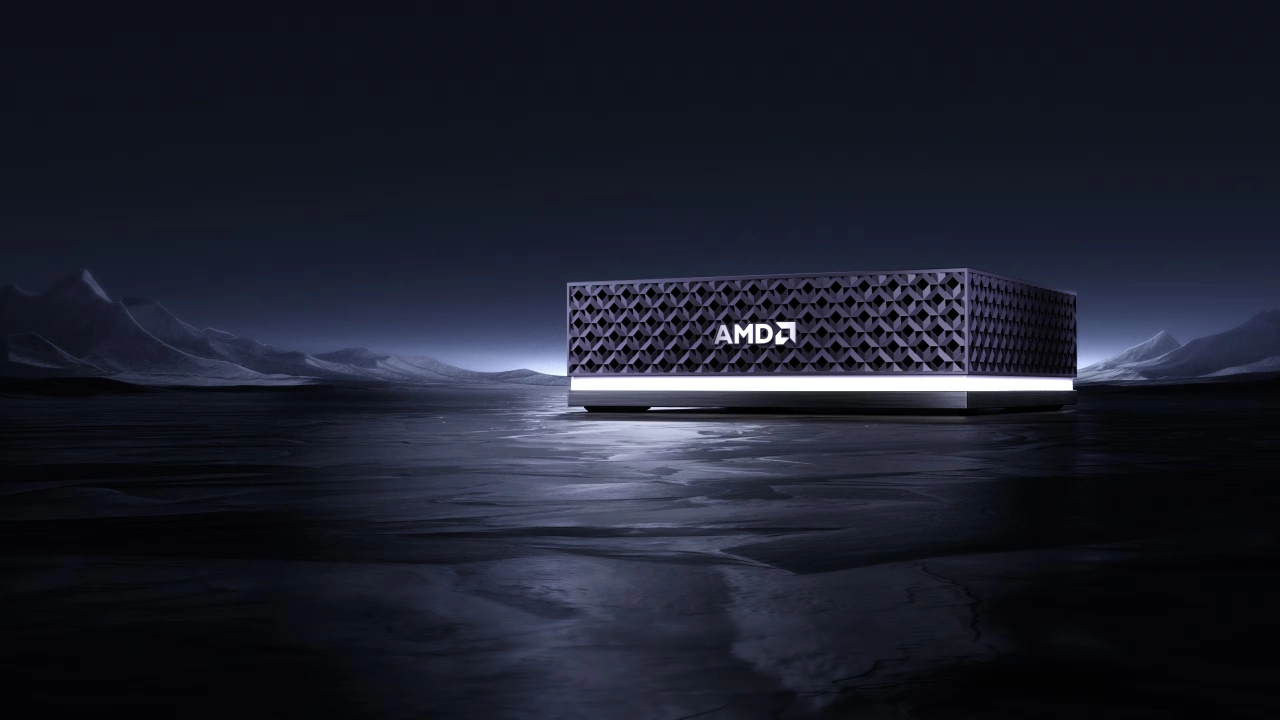
- The Ryzen AI Halo mini-PC lets AI devs run massive 200B-parameter models locally, no cloud needed.
- The Ryzen 7 9850X3D crushes gaming records with Zen 5 and 3D V-Cache, up to 27% faster than rivals.
Imagine your laptop not just browsing Netflix, but actually thinking ahead—like suggesting edits to your kid’s school project photo or summarizing that endless work email. AMD’s dropping game-changers that make AI feel less like sci-fi movies and more like your daily sidekick.
From ultra-thin notebooks to mini dev boxes, these CES 2026 updates blend power, portability, and price for real people – corporate employees, coding after bedtime, students rendering projects, creators on tight deadlines.
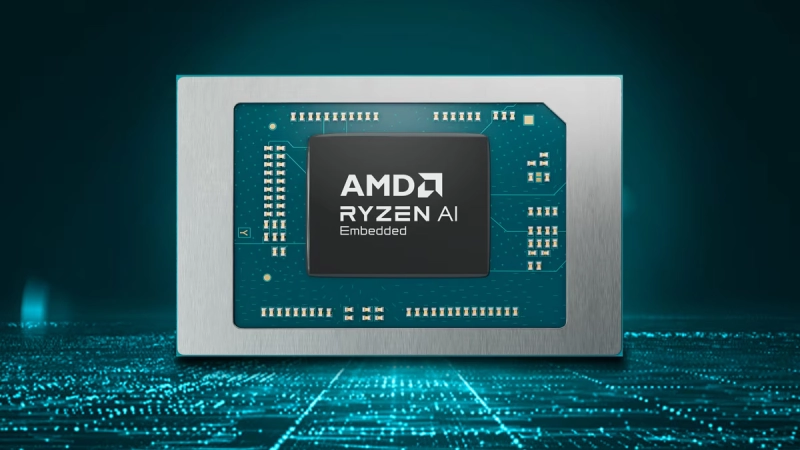
Ryzen AI 400 Series: 60 TOPS Laptops Crushing Copilot+ AI Tasks in 2026
These bad boys, built on Zen 5 architecture with XDNA 2 NPUs, crank up to 60 TOPS—trillions of AI operations per second. That’s enough for Copilot+ PCs to handle on-device AI like real-time video calls with background blur, generating art from doodles, or instant document translation. Consumer versions power sleek laptops from Acer, ASUS, Dell, HP, Lenovo; PRO adds enterprise security for work fleets.
Pros:
- Insane multi-day battery life for video/web—perfect for parents multitasking family photos while coding.
- Affordable AI entry ($800+ laptops) with zero cloud subscription costs; runs local models smoothly.
- Broad OEM support = budget options for students; 2x faster video editing for family vlogs.
- Auto-transcribes kids’ school presentations; a real-time language-learning helper.
- Privacy-first AI—processes sensitive family/health data offline securely.
Cons:
- Higher-end models (15-54W TDP) might heat up during heavy AI tasks, needing good cooling.
- The software ecosystem is catching up; some AI apps are better optimized for competitors.
- Q1 2026 availability – patience required if upgrading now.
PRO TIP: Grab the Ryzen AI 9 HX 475 laptop for 2x faster family video editing—perfect for busy parents balancing code projects and kid cartoons.
Ryzen AI Max+ 392/388: Desktop Power in Slim 2026 Laptops for Creators
For creators/light gamers, these extend desktop graphics (Radeon 8060S, 40 CUs) to thin laptops/workstations with 50 TOPS NPU and 120W punch. Run LLMs, render 4K, game without bulk.
Pros:
- Unified memory (76MB cache) crushes Photoshop AI fills, video color grading.
- Portable beast matches desktop perf—freelancers edit 4K weddings on trains.
- Great value vs. separate GPU rigs; Q1 2026 from Acer/ASUS.
- Real-time 3D modeling for architects; AI music production for bedroom producers.
- Game at 1440p high settings—perfect for mobile esports training.
Cons:
- Power-hungry (45-120W) drains batteries faster on unplugged marathons.
- Premium pricing; not for basic browsing.
- Limited initial OEMs (Acer/ASUS first).
PRO TIP: Use Max+ 392 for local AI image gen in ComfyUI—turn vacation pics into pro art without internet.
Ryzen AI Halo Mini-PC: Run 200B AI Models at Home Without Cloud in 2026
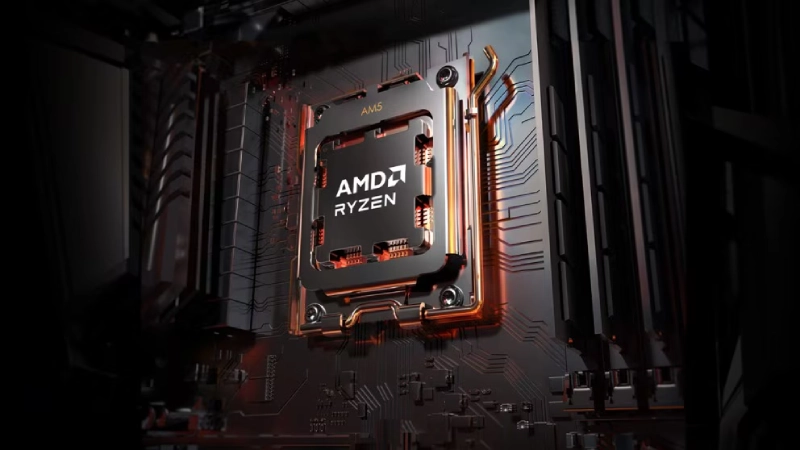
AMD’s first branded mini-PC packs Max+ power, 128GB unified memory, 60 TFLOPS graphics to run 200B-parameter models locally. Pre-loaded ROCm 7.2 for Windows/Linux.
Pros:
- Edge AI eliminates cloud costs/latency – test weather apps and cybersecurity tools instantly.
- Compact home office fit; supports Python/JS workflows out-of-the-box.
- Future-proof ML classification; Q2 2026 launch.
- Train custom family health AI models privately; local chatbots for kids’ homework.
- Perfect for weather API projects – real-time predictions without AWS bills.
Cons:
- Q2 2026 launch; pricing TBD—could be steep for hobbyists.
- Niche for pros; overkill for casual users.
- Linux tweaks frustrate Windows-only folks.
PRO TIP: Prototype weather API integrations locally—faster than cloud VMs.
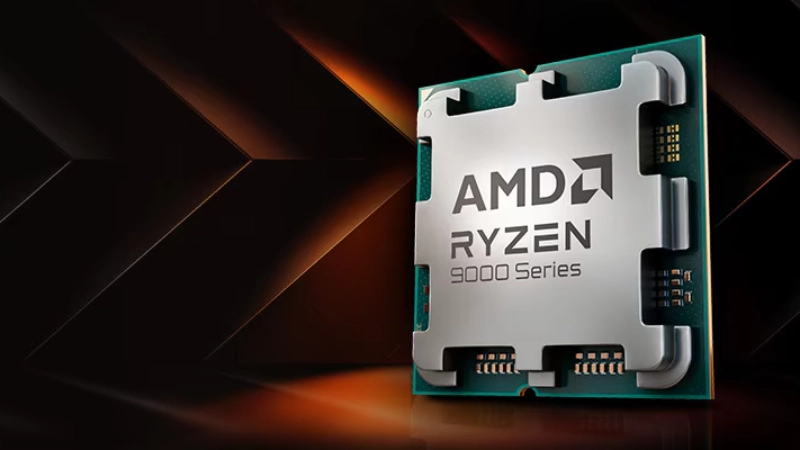
Ryzen 7 9850X3D: Fastest Gaming CPU 2026 – 27% Faster Than Intel
8 cores, 5.6GHz boost, 104MB cache—27% faster than Intel’s top in 30+ games. Pair with FSR “Redstone” ML upscaling for silky frames.
Pros:
- Frame-rate king for family movie streaming and competitive play.
- Efficient 120W TDP; easy multitasking; Q1 2026 retail/OEM.
- Stream 4K/120fps without lag—perfect for Twitch side-hustle.
- Run cybersecurity pentesting VMs alongside gaming.
Cons:
- Desktop-only; no mobile magic.
- Needs strong cooling/mobo for peak.
- Gaming-focused—less AI emphasis.
PRO TIP: Build rig for Black Myth: Wukong at ultra—invite friends for LAN nights.
ROCm 7.2 + FSR Redstone: AMD’s 5x Faster AI & Gaming Software 2026
ROCm hits Ryzen AI on Windows/Linux via ComfyUI; the Adrenalin AI Bundle simplifies setup. FSR Redstone adds ML frames/ray tracing.
Pros:
- 5x AI perf gains; PyTorch one-click; developer preview radiance caching.
- One-click AI image/video tools for social media creators.
Cons: Still maturing vs. Nvidia CUDA; download spikes overwhelm noobs.
Should You Buy AMD’s CES 2026 Ryzen AI PCs? Pros, Cons & Next Steps
These CES 2026 moves make AMD’s full-stack AI real for everyone – from backend coding to kid-safe AI toys. The features, the pros, and the cons are laid out clearly so you can decide: gaming upgrade or AI dev box?
Quick CES 2026 Decision Guide:
- Budget buyers → Ryzen AI 400 laptops (Q1 2026)
- Creators/freelancers → Ryzen AI Max+ notebooks
- AI developers → Ryzen AI Halo mini-PC (Q2 2026)
- Gamers → Ryzen 7 9850X3D desktop
So, what’s your CES 2026 upgrade?