


Highlights
- Android Emergency Live Video lets dispatchers see a secure live stream from your phone during an emergency for faster, more accurate help.
- The feature works on Android 8+ phones with Google Play services and is rolling out across the U.S. and select regions globally.
- Families, commuters, and workers can use live video to show crashes, medical crises, and hazards, rather than struggle to describe them.
- The tool is opt‑in, encrypted, and under user control.
Google has rolled out Emergency Live Video for Android users, allowing emergency dispatchers to request a secure, real‑time video stream from a caller’s phone during an emergency call or text.
This means that instead of trying to explain a crash, a fire, or a medical collapse with broken words, people can show what is happening with a single tap on their screen.
It sits next to existing tools like Emergency Location Service, Car Crash Detection, Fall Detection, and Satellite SOS, creating a growing bundle of Android safety tools now rolling out globally and deeply embedded in users’ daily lives.
- One tap turns your camera into a secure live feed.
- Dispatchers see what you see and adjust their response.
How could this shift the way families and workers experience emergencies?
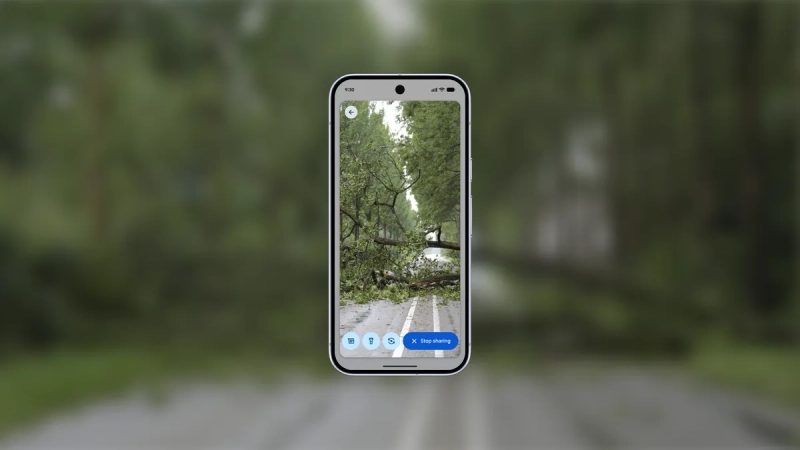
How Android Emergency Live Video Helps Families in Real Emergencies
For parents, caregivers, and older adults, the most significant change is emotional and practical: when someone is hurt, you no longer have to find the “right words” in the worst minute of your day. Instead, you point the phone, start the video, and let trained responders see what you are seeing and give a real‑time emergency response.
With live video, the call‑takers can spot visible bleeding, breathing trouble, burns, or seizures and guide callers through step‑by‑step instructions like CPR, choking response, or wound care, using the exact items and space in front of the camera.
This can be especially powerful for people who:
- People struggling with the local language under stress
- Living far from hospitals or specialist clinics.
- Are caring for children, elders, or people with disabilities.
But how does this change life outside the home, in shops, street,s and workplaces?
Emergency Live Video for Workers, Commuters, and Public Spaces
A cashier dealing with a violent incident, a bus driver watching smoke roll over a highway, or a delivery rider at a crash site can all show the scene directly to 911 or local equivalents.

This matters because responders can then judge:
- The size of the crowd and whether more units are needed.
- Real traffic conditions around a collision.
- Fire or weather hazards near homes, offices, and schools.
Still, who actually gets this upgrade first, and where does it leave people in regions with older networks?
Global Rollout and Access Gaps of Android Emergency Live Video
Right now, Emergency Live Video is active in the United States and selected regions of Germany and Mexico, with Google working alongside public safety partners to bring it to more countries.
Adoption, however, depends on each region’s emergency infrastructure, laws, and budget, so the roll‑out will not be even.
This creates a new kind of digital gap:
- Big cities with upgraded 911 or equivalent systems will see live video sooner.
- Rural or low‑income areas may stay stuck on voice‑only support for longer.
- People with older Android phones that lack Google Play services may never see the feature.
And that leads to the next big concern many users share: what happens to all that video?
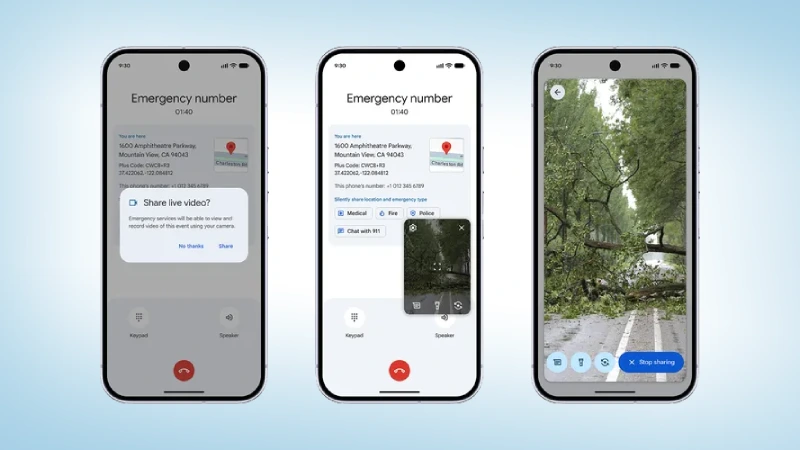
Privacy, Control, and Data Concerns Around Android Emergency Live Video
Emergency Live Video is opt‑in: a dispatcher requests access, a prompt appears on your screen, and you choose whether to share or decline.
You can stop sharing at any time, and the stream is designed to travel in an encrypted form, making it harder to intercept.
Still, the privacy questions are real and serious for ordinary users:
- Who can replay the footage after the call ends?
- How long is the video stored, and for what purposes?
- Could clips be used later in court, insurance fights, or AI training?
Trust will depend on clear public rules, simple on‑screen explanations, and honest communication from emergency agencies and tech providers.
Final Thoughts
Emergency Live Video has the power to save lives, but it will shape daily life only if people understand it, use it wisely, and push for fair rules around it. This is the moment for you to get ready rather than wait.
Every day, users can keep the spotlight on this feature to improve safety without sacrificing dignity or privacy.
Will you let this become just another hidden setting, or will you help shape how Emergency Live Video works for your city, your country, and your daily life?
Update your Android, review your emergency settings today, and decide how you will use Emergency Live Video before a crisis hits.