

It’s morning in Mumbai. A freelance designer ties her hair, taps her Apple Smart Glasses, and murmurs, “Siri, read my schedule.” The glasses blink faintly, two hidden cameras feed context to a cloud brain that knows she hasn’t had breakfast or opened Figma yet.
Apple’s next frontier is a quieter, subtler migration: devices that see and sense the world for us.
- Smart glasses.
- Camera‑equipped earbuds.
- A pendant that hangs like tech jewelry.
Together, they suggest a future where the iPhone is less the centerpiece, more the invisible server in your pocket.
The question is whether we actually want them watching.
What These Devices Really Are — Without the Buzzwords
Strip away the jargon, and what you’re left with is a distributed computer you wear.
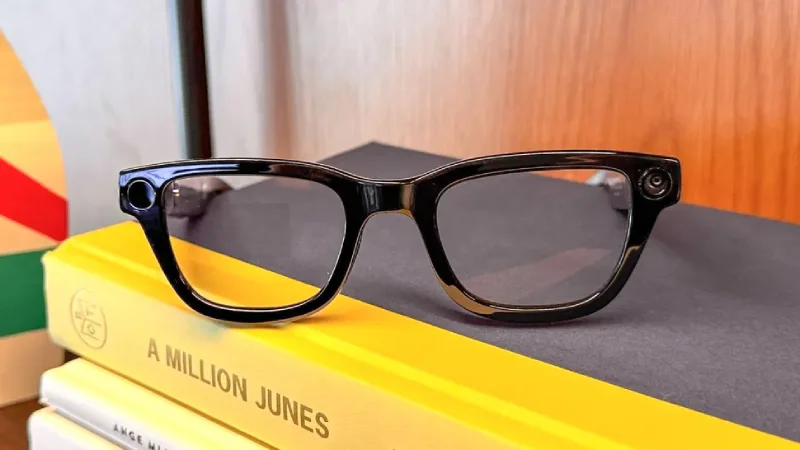
The Apple smart glasses (code‑named N50) trade bulky AR overlays for something simpler: perception. They capture what you see, offload processing to your phone, and return instant cues, identifying landmarks, reading menus, and explaining what’s ahead.
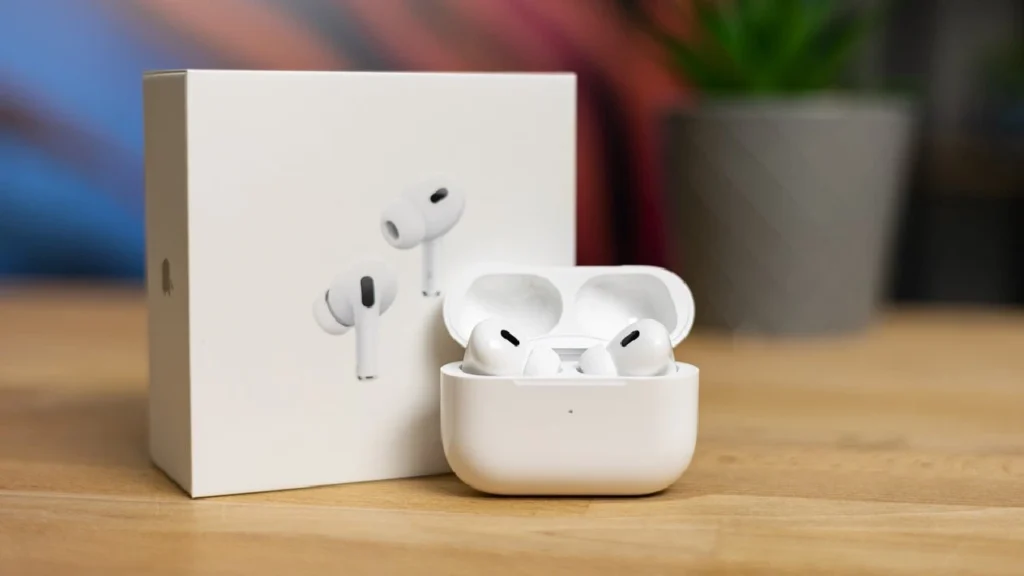
The AirPods experiment goes further, adding tiny cameras.
These aren’t for selfies but for context: understanding whether you’re driving, cooking, staring at a recipe, or nodding off during an online meeting. The pendant, perhaps the oddest of the three, is a chest‑level companion that records surroundings and voices, handing constant situational data to Siri.
Each object is an interface fragment in service of one goal, moving computing from your hand to your skin. But where does convenience end and dependence begin?
How It Affects Different Types of People
Students
For college students juggling study, part‑time work, and side hustles, AI glasses sound liberating: instant notes, translated lectures, and reminders during commutes. But they also blur boundaries between learning and lazy shortcuts. When everything’s accessible through a whisper, effort risks losing meaning.
Budget‑Minded Families
Parents eye the price tag more than the promise. If a $1,200 phone is already a stretch, another $700 gadget tethered to it feels indulgent.
tomsguide.com
Still, features like child‑safety tracking or emergency translation could tempt them, especially in dual‑income homes where tech often doubles as reassurance.
Young Professionals & Creators
For vloggers and urban freelancers, camera AirPods or glasses could mean recording without fuss, glimpses of authenticity captured mid‑stride. But latency, lighting limits, and constant recording anxiety may counter the spontaneity they seek. Will audiences trust a lens they never seen?
Small Business Owners in Developing Economies
A café owner in Manila could use the pendant as a staff monitor or a voice translator for tourists; a driver in Nairobi might use glasses to navigate instructions spoken in Swahili. Yet stable internet remains the deciding factor.
Apple’s cloud comfort assumes bandwidth that many can’t pay for.
Whose daily life becomes easier and whose stays just out of reach?
Pros and Cons
| Everyday Reality | Feeling It Brings |
| Hands‑free information during work or travel | Slight sense of omnipotence—until the lag hits |
| Better accessibility for visually impaired users | Confidence coupled with privacy risk |
| Seamless photo and video capture for creators | Fear of seeming intrusive |
| Lighter than headsets like Vision Pro | Still awkward to wear in public |
| Closer integration with iPhone eco‑services | Anxiety over being “always on.” |
| Promises of voice‑first computing | Dependence on erratic networks |
| Ambient data recognition | Anxiety over being “always on” |
After the novelty fades, which column actually matters to you?
Pricing & Accessibility
Early analysts are whispering that the glasses will cost between $800 and $1,000, AirPods with cameras around $350, and the pendant roughly $250. That places them beyond the reach of many in emerging markets, where refurbishedalready stretch budgets.
Apple’s “AI for everyone” vision skews quickly toward “AI for someone with disposable income and trust in the cloud.”
Will price drops ever align with daily reality, or will the next billion users remain invisible in this ecosystem?
Final Thoughts
Apple’s new wearables reimagine intimacy with machines, with technology no longer held, barely noticed, almost whispered. They promise context, clarity, and even care. Yet every whisper costs attention, privacy, or independence.
For some, that trade feels fair. For others, it’s a quiet line crossed. Maybe the wiser step isn’t rushing to the next shiny extension of self, but pausing to ask: what kind of company do you want in your own head? The future is coming, with glasses, a pendant, AirPods, and all. Just make sure it still feels like yours.