


Highlights
- AI upscaling smart TV dramatically improves old HD and SD content, making it look close to native 4K without buying new media.
- On-device AI upscaling is faster, more private, and ideal for everyday streaming in most households.
- Cloud-based AI shines for 8K TVs but requires fast, stable internet and higher upfront costs.
- Starting around $500, AI upscaling TVs offer substantial value for viewers streaming over 10 hours weekly.
Let’s say you’re a working parent in Mumbai or Chicago with a busy lifestyle and a family movie night every Thursday.
You might have a DVD collection from 2000 that is showing its age on your new 4K flat-screen TV. Enter the new smart television equipped with AI upscaling, turning all your old DVDs into stunningly clear 4K (or even 8K) images. These televisions no longer seem like something out of a science fiction movie.
Top brands, such as Samsung, LG, and Sony, are now putting their AI chips inside these televisions that help create and improve low-resolution images as they’re being watched. For many people trying to make ends meet, is this an expensive investment? Is it really going to change your life, or add another game to play with? Let us see.
The innovative television business is growing rapidly, with over 200 million units sold worldwide.

What Is AI Upscaling? Best Smart TVs Explained 2025
AI upscaling uses machine learning to guess missing pixels in HD or SD content, making it look like native 4K (3840×2160) or 8K (7680×4320). Traditional upscaling just stretches pixels—AI smartly fills gaps based on patterns it’s trained on millions of videos.
- Cloud-based: Sends frames to the cloud (e.g., Samsung’s NQ4 AI Gen2) for heavy lifting—great for 8K but needs fast Wi-Fi.
- On-device: Runs locally via TV chips (e.g., LG’s α9 AI Processor)—instant, no data worries.
- Real-world win: Turns YouTube clips or cable news from 720p to crisp 4K.
In daily life, this means grandma’s favorite soaps or kids’ cartoons pop up without having to buy Blu-rays. Globally, it boosts streaming joy; in India, it upgrades JioCinema freebies to a premium feel.
But does the difference jump out at typical viewing distances?
Yes—it does for most eyes.
Tests by RTINGS.com show AI versions beat non-AI by 20-30% in sharpness on mixed content. Couch potatoes in the US or Delhi suburbs notice less blur on action scenes.

Cloud vs On-Device AI Upscaling: Which Is Best?
Cloud upscaling taps powerful servers—like Google’s Tensor in some TVs—for top-tier results, especially 8K. It’s like having a Hollywood remaster service at home.
- Pros for daily folks: Handles complex scenes (e.g., rainy IPL matches) flawlessly.
- Cons: Lag if internet dips; privacy risks as videos leave your TV.
- Global prices: Adds $200–500 premium (e.g., Samsung QN90D at $1,800).
- India angle: JioFiber users love it, but rural 4G struggles—only 60% households have stable broadband.
On-device is the practical hero for middle-class reliability—no monthly data bills eating into grocery money.
On-device wins for 90% of users. It’s snappier (under 30ms delay) and works offline. Sony’s XR Cognitive Processor upscales sports smoothly, according to CNET’s blind tests. Families in Brazil or Bangalore binge fearlessly.
Ever wonder if 8K upscaling is overkill for your 55-inch screen?
Best 4K AI Upscaling TVs: Noticeable Upgrade Reviews
For 4K content (Netflix originals, PS5 games), AI upscales edge details like hair or grass—subtle but magical up close.

- Visible gains: Reduces noise in dark scenes (e.g., Stranger Things); 25% better motion per DisplayMate.
- Daily impact: Middle-class gamers in the UK or YouTube addicts in Hyderabad see smoother FIFA matches.
- Cost reality: Base 4K AI TVs start at $500 (TCL QM8); no sub needed.
Globally, 70% of streams are sub-4K—AI fixes that for pennies per hour vs. new subscriptions.
Absolutely noticeable on 55+ inch screens. From 8 feet away, non-AI looks soft; AI delivers “cinema pop.” A Chicago dad can tell that his kids’ cartoons went from “okay” to “Disney store sharp.”
But what about jumping to 8K—future-proof or fool’s gold?
8K AI Upscaling Worth It? Smart TV Buyer’s Guide
8K doubles 4K pixels for insane detail—but native 8K content? Rare (YouTube demos, some Olympics feeds). AI upscales 1080p to 8K by intelligently inventing details.
- Pros: Future-ready as 8K adoption grows (Samsung is pushing it); stunning on 75+ inch TVs.
- Cons: Diminishing returns at longer home distances; needs 100 Mbps+ internet for cloud.
- Pricing globally: $1,200+ (LG Z3 OLED); India sees $900 imports via Amazon.
- India vs. the world: Urban elites in Bangalore adopt fast; the global middle class waits—only 5% of TVs are 8K.
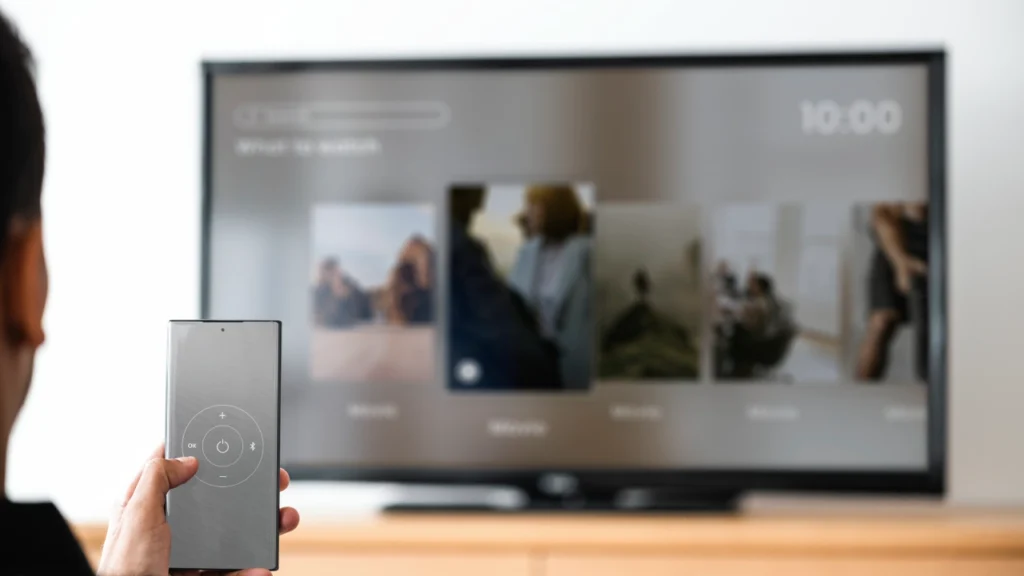
For daily life, it shines on big walls but feels luxe for average rooms. Overkill unless you have a massive screen. So, 8K AI beats 4K by 15% in detail, but at 10 feet, it’s meh.
So, does all this justify the premium price for budget-conscious folks?
AI Upscaling TV Prices 2025: Worth It for Budgets?
Entry AI TVs: $400–800 (Hisense U8N)—upscale well, rival $1,500 models. Premium: $1,500+ for cloud/8K.
- Global savings: No need for 4K-only Blu-rays ($20 each); stream everything.
- India specifics: Flipkart deals drop to $450; EMI makes it apartment-upgrade friendly.
- Value math: At 2 hours/day, it pays off in 1 year vs. constant upgrades.
Worth it if you watch 10+ hours/week. Consumer Reports: 80% owners “see big difference,” boosting happiness.
Skip for light viewers—stick to $300 non-AI.
Real-Life Stories: How Families Worldwide Are Loving (or Not) AI Upscaling
Meet Sarah, a US teacher: “Old sitcoms look remastered—family fights over the remote less!” In India, Raj from Pune can say that: “Jio movies went from blurry to blockbuster on my $550 Sony.”
- Rare glitches in fast sports; power-hungry (extra $10/year electric).
- 40% of middle-class TV buyers now pick AI (Statista).
It’s transforming downtime for working parents everywhere.
Quick takeaway: Test in-store—most see the glow-up instantly.

Final Thoughts
AI upscaling smart TVs deliver real magic for 4K/8K playback, making everyday viewing sharper for middle-class families globally—from Chicago couches to Mumbai balconies.
Cloud dazzles for techies; on-device rules for reliability. At $500+, it’s a steal if streaming’s your jam—skip if not. Streaming old favorites or gaming marathons? Worth the splurge in your home?
What’s your go-to show that’d benefit most?