


Highlights
- Best Camera Phones for Low Light in 2026 deliver advanced Night Mode, Stabilization, and Shutter Performance for superior night photography.
- iPhone models deliver balanced night photography with industry-leading stabilization and natural colors.
- Samsung Galaxy Ultra devices excel in night zoom, brightness, and versatile camera performance.
- Google Pixel leads in AI-driven night photography and realistic image processing.
- Huawei flagships stand out for large sensors and superior natural light capture.
The evolution of smartphone cameras has transformed them into advanced photography equipment, which allows users to take pictures that match the quality of dedicated compact cameras. Low-light photography presents the most difficult challenge for smartphone cameras because it requires them to capture images in extremely dim conditions. The equipment needs software processing along with sensor technology and stabilization systems to overcome the issues that arise from noise, motion blur, and detail loss in dim lighting environments.
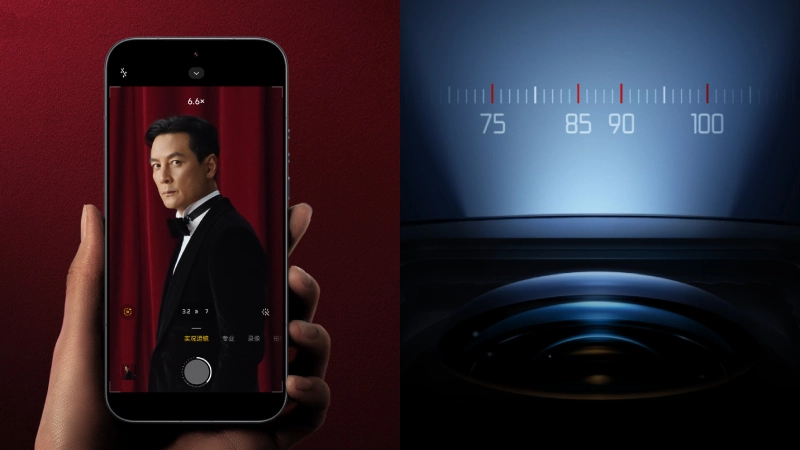
The rise of social media, travel photography, and night-time content creation has created a worldwide need for smartphones that excel in low-light camera performance. The leading smartphone manufacturers compete against each other to create new night mode systems that use better sensor stabilization technology and enhanced shutter speed methods to deliver superior image quality during low-light conditions.
This article assesses the top global low-light camera smartphones from 2026 by testing their performance in night photography, image stabilization, and shutter performance to identify the most reliable devices.
Understanding Low-Light Smartphone Photography
Smartphones need to collect enough light during low-light photography to achieve both clear images and correct natural color reproduction. Three main technological components, which include sensor size, computational photography, and stabilization systems, enable this process to function.
Larger sensors allow more light to enter, which decreases digital noise while better preserving fine details. Multiple exposure images undergo processing through computational photography, which uses artificial intelligence to improve both brightness and color accuracy. Stabilization technology uses optical image stabilization and sensor-shift stabilization methods to reduce motion blur, which occurs when operators shake their cameras during extended shooting periods.
Current flagship smartphones use these technologies to create professional camera capabilities for nighttime shooting, although actual performance depends mostly on how software and hardware components are designed and optimized.
Apple iPhone Series: Balanced Night Photography and Consistent Stabilization
Apple’s main smartphones deliver exceptional low-light performance because their designers achieve perfect hardware and software integration. The latest iPhone models use large camera sensors paired with advanced Night Mode processing. Apple activates its Night Mode feature when light conditions become dark, which enables the system to capture multiple exposures that combine into a brighter photograph with high detail and minimal artificial sharpening.
Stabilization performance provides Apple with one of its strongest competitive advantages. The company uses sensor-shift optical stabilization, which physically moves the camera sensor rather than relying solely on lens movement. The system enables the device to produce sharp images during extended exposure times and when users shoot handheld photographs at night.

iPhones use shutter systems that achieve optimal results by synchronizing exposure durations with the need to maintain visible details of moving subjects. Apple’s computational system automatically shortens shutter duration when motion is detected, helping maintain realistic detail in low-light portraits or street photography.
The iPhone successfully preserves authentic color reproduction because it prevents users from experiencing excessively bright and processed nighttime photographs.
Samsung Galaxy Ultra Series: Advanced Night Mode and Zoom Performance
The Samsung Galaxy Ultra Series assists users with its Night Mode feature that enables them to capture clear pictures of dark scenes, while its zoom capacity lets them take high-quality images from distant locations. The Galaxy Ultra smartphones from Samsung combine their ability to improve low-light conditions with their dual advantages of large camera sensors and their ability to process high-resolution images.
The Nightography system developed by Samsung records multiple exposure level frames to create bright, detailed night images through frame combination. The advanced telephoto lens systems of Samsung devices enable users to take high-quality photographs in dim light conditions. The Galaxy Ultra smartphones maintain exceptional zoom clarity, which most smartphone cameras cannot achieve because they use special technology to maintain image quality while zooming.
The devices use cutting-edge optical stabilization technology to eliminate motion disturbances that happen during extended exposure times. The night processing system from Samsung produces images that show higher brightness levels and greater color saturation than what people observe in actual lighting situations. This visual style creates attractive content for social media platforms, but it has the drawback of decreasing natural contrast and authentic color representation. Samsung provides multiple low-light photography solutions that customers can use in various shooting situations.
Google Pixel Series: AI-Driven Night Photography and Natural Image Processing
The Google Pixel Series uses artificial intelligence technology to create night photography results and process images in their natural state. The Google Pixel smartphones have become well-known for their ability to perform computational photography work during low-light situations. Google uses artificial intelligence through its Night Sight system to create detailed nighttime images that maintain their original natural light conditions.
The Pixel devices show their best performance in total darkness when there is virtually no surrounding light present. Google uses its software to enhance shadow details while decreasing noise levels, which results in balanced nighttime images that appear natural. Google develops shutter optimization technology, which enables Pixel cameras to capture low-light scenes with fast performance while maintaining high image quality. This method helps with both nighttime photography and through-the-street candid moments.
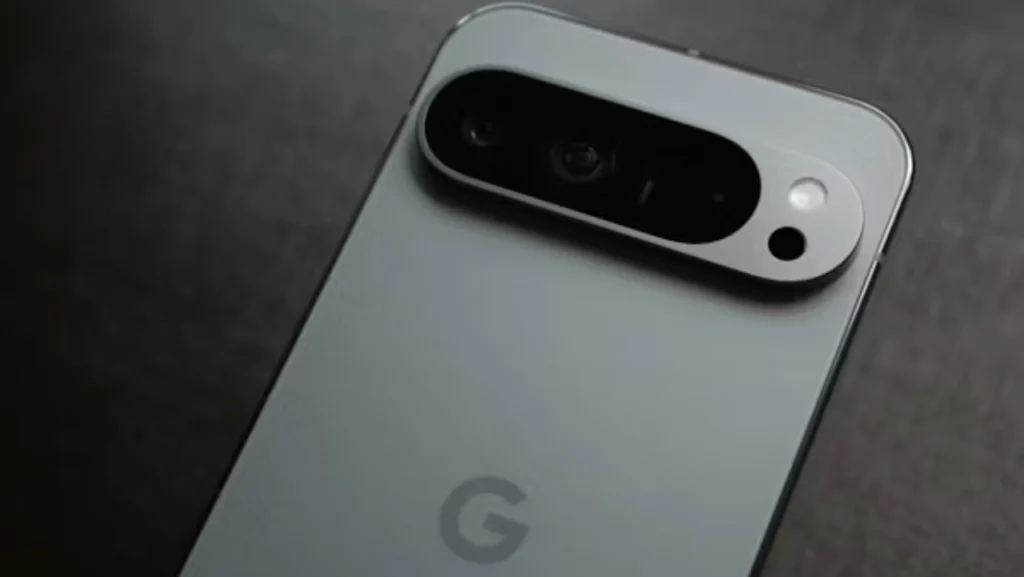
The software-based method of Pixel devices enables them to achieve effective low-light performance even though they have fewer camera lenses than their competitors. The software-based method of Pixel devices enables them to achieve effective low-light performance even though they have fewer camera lenses than their competitors.
Huawei Flagship Models: Large Sensors and Superior Light Capture
Huawei’s flagship models show advanced light-gathering capabilities because they use oversized sensors. The premium flagship series of Huawei smartphones has received international acclaim because of its innovative camera sensor technology. The design of Huawei devices includes sensors that exceed standard size limits because these sensors can capture light needed for their functions without using advanced software calculations.
The low-light photography capabilities of Huawei devices deliver detailed results with minimal noise in difficult lighting situations, which include nighttime and city street tests. The devices include modern stabilization technologies, which enable photographers to achieve long exposure effects without using tripods.
Huawei demonstrates its strength through its ability to maintain texture details and accurate color reproduction during low-light situations. The regional market restrictions that control Huawei device distribution across different parts of the world will limit consumer access to these products.
Key Features That Define Reliable Low-Light Camera Performance
The essential technical elements establish which smartphone cameras can provide dependable performance in low-light conditions.
- The operational function of Night Mode technology requires its capacity to capture multiple frames, which makes it possible to combine those frames to create brighter images with reduced graininess.
- The implementation of stabilization systems enables photographers to capture extended exposure times, which produce clear images when they use handheld equipment.
- The ability to control shutter speed functions as a crucial element. The ability of a phone to maintain higher shutter speeds during low-light conditions enables better tracking of moving subjects.
- The advanced sensors combined with AI processing capabilities enable smartphones to automatically adjust exposure settings based on current lighting conditions.
- The range of lens options that users need to evaluate. The ability to use multiple lenses, which phones provide for night photography, gives users the freedom to take portrait, landscape, and zoom photographs.
Which Camera Phone Performs Best in Low Light?
The best low-light camera phone selection requires assessment of user needs. iPhone models provide balanced performance, natural color reproduction, and industry-leading stabilization, making them ideal for users who value consistency across photography and video.
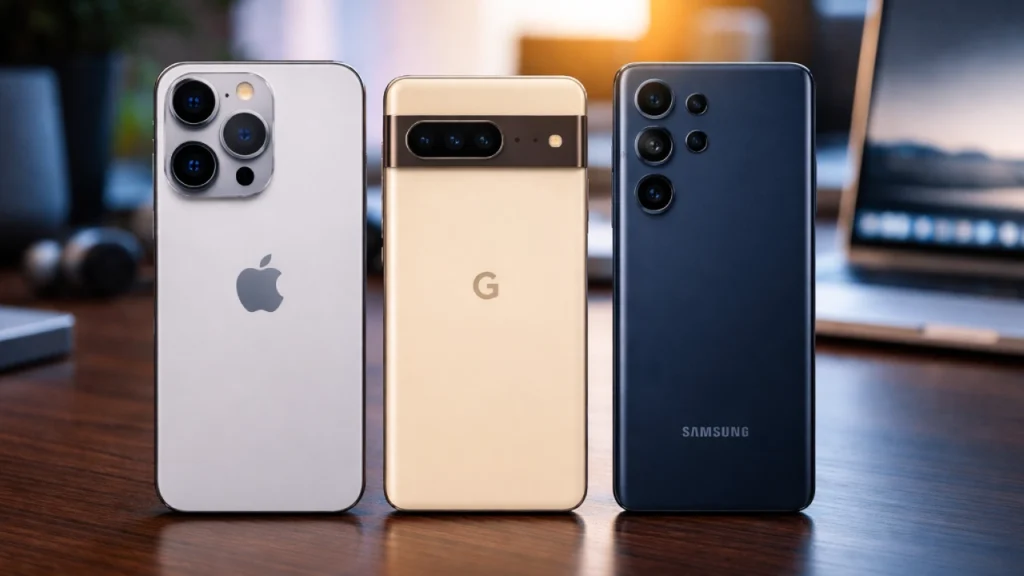
- The Samsung Galaxy Ultra smartphones enable users to capture images in various lighting conditions through their advanced camera systems and extensive zoom functionality.
- The Google Pixel devices use artificial intelligence to create highly realistic night photographs, which maintain visual balance throughout extremely dark environments.
- The Huawei flagship smartphones maintain their position as top-tier devices because of their advanced sensor technology and exceptional ability to capture light, which does not require international distribution to be accessible.
Conclusion
The development of low-light smartphone photography technology has reached an advanced stage, enabling photographers to capture night scenes through their mobile devices, which now serve as essential equipment for professional photographers. Current smartphone models showcase distinct photographic styles, with each manufacturer creating their own unique approach to image capture. Apple emphasizes balanced realism and stabilization, Samsung prioritizes versatility and brightness, Google leads in computational photography, and Huawei focuses on sensor-driven light capture.
The selection of the ideal camera phone for executing low-light photography needs an assessment of personal shooting styles, together with the phone’s accessibility across different areas and its compatibility with existing systems. The progression of smartphone camera technology has made low-light performance an essential element that drives innovations in mobile photography. This advancement enables users from all over the world to take professional-grade pictures in any light situation.