
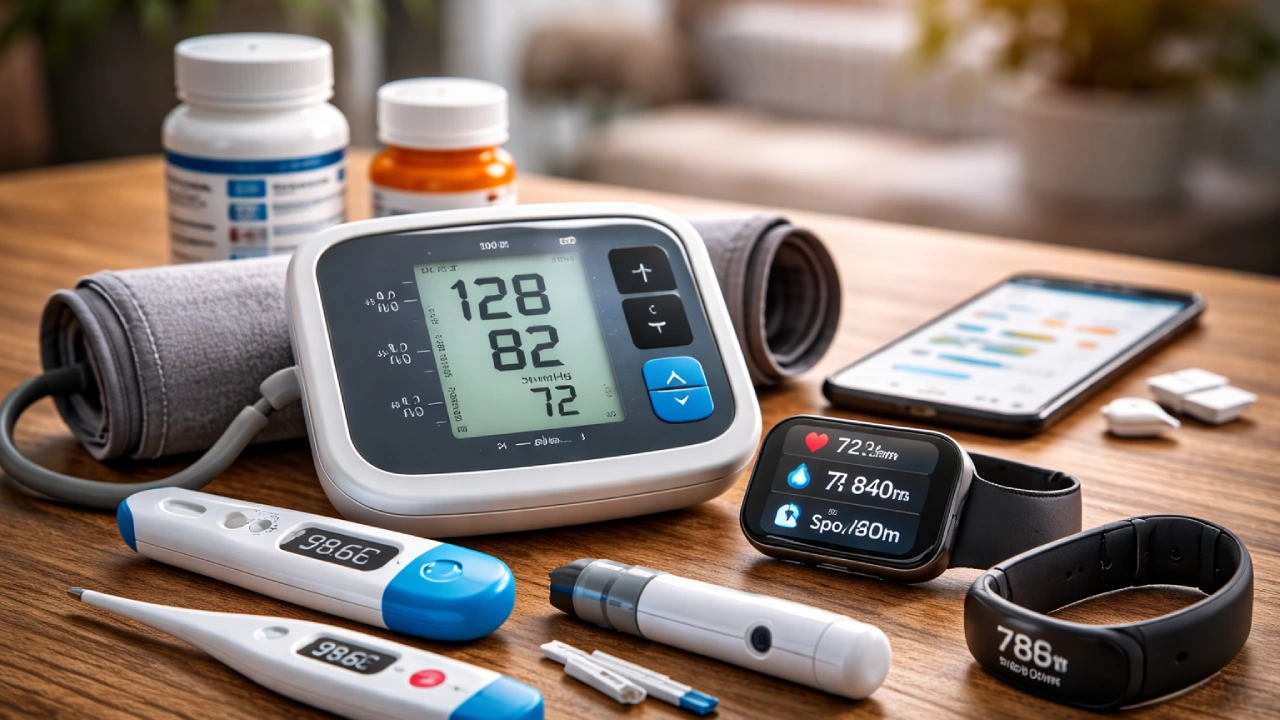
A few years ago, health checks meant one thing. You visit a clinic. You wait. You get tested. Now things are different. Many basic health checks happen at home. Not because people do not trust doctors, but because people want clarity before panic.
A blood pressure reading. A quick temperature check. A sugar level test before breakfast. These small checks help people understand their bodies better. But there is a problem. Not every health gadget is reliable.
Some show numbers that look right but are not. Some work fine for a month and then start giving strange readings. This is why choosing the right home health gadgets matters.
Why are people using health gadgets at home?
Health issues are no longer rare events. High blood pressure is common. Diabetes is common. Seasonal fever spreads fast. People do not want to rush to a hospital for every small doubt. At the same time, they do not want to ignore signs.
Home monitoring fills this gap. It gives a quick answer. Sometimes reassurance. Sometimes, there is a reason to see a doctor early. That alone makes these gadgets useful.
Blood pressure monitors for home use.
Blood pressure monitors are often the first health gadget people buy. Especially after a doctor casually says, “Keep an eye on your BP.”
Upper arm BP monitors work better.r
Upper arm BP monitors are more stable. They sit closer to heart level. This reduces reading errors. Doctors usually recommend upper arm devices for home tracking. Wrist BP monitors are compact. But hand position matters a lot with them. For daily home use, upper arm monitors are the safer choice.
Digital BP monitors make sense at home.
Manual BP machines are not meant for everyone. They need training. They need the correct technique. Digital BP monitors remove most of that complexity. Press one button. Sit quietly. Wait for the numbers. That simplicity is important.
What makes a BP monitor dependable
Accuracy is the main thing. A reliable BP monitor is tested using medical standards. Brands usually mention this in product details. Memory storage is helpful. It lets you compare readings over time. Some devices allow multiple users. This works well in households. Extra features are fine. But they do not fix the bad accuracy.
Thermometers used at home.
Thermometers look basic, but mistakes happen here often. A wrong temperature reading can confuse.
Digital thermometers are still safe.t
Digital thermometers are common for a reason. They are simple. They are affordable. They work. Oral and underarm thermometers are widely used. They are also easy to clean. Mercury thermometers are outdated. They are risky and not worth using.

Infrared thermometers and real-life use
Infrared thermometers became popular recently. They are fast. They do not need contact. Parents like them for their kids. But they are sensitive. Room temperature, distance, and angle affect results. They are good for quick checks, not final judgment.
How to tell if a thermometer is reliable
Reliable thermometers give similar readings again and again. The screen should be easy to read. Response time should be quick. Calibration details from the brand are a good sign. Simple models usually perform better than overdesigned ones.
Glucose monitoring tools for daily use
For people with diabetes, glucose testing is routine. The device should be easy to use. Otherwise, skipping testing
Finger-prick glucose meters
These are the most common tools. You use a test strip. A small blood drop. And you get results quickly. They are accurate when used correctly. Test strips matter a lot here. Expired or low-quality strips affect readings.
Continuous glucose monitoring devices
CGMs track sugar levels throughout the day. They show trends instead of single numbers. Doctors recommend them in specific cases. They are not needed for everyone. They cost more and need a proper setup.
What matters in glucose monitoring devices
Accuracy certification is important. The screen should be clear. Buttons should be easy. Data storage helps during doctor visits. A simple device used daily is better than a complex one ignored.
Smart health gadgets and phone apps
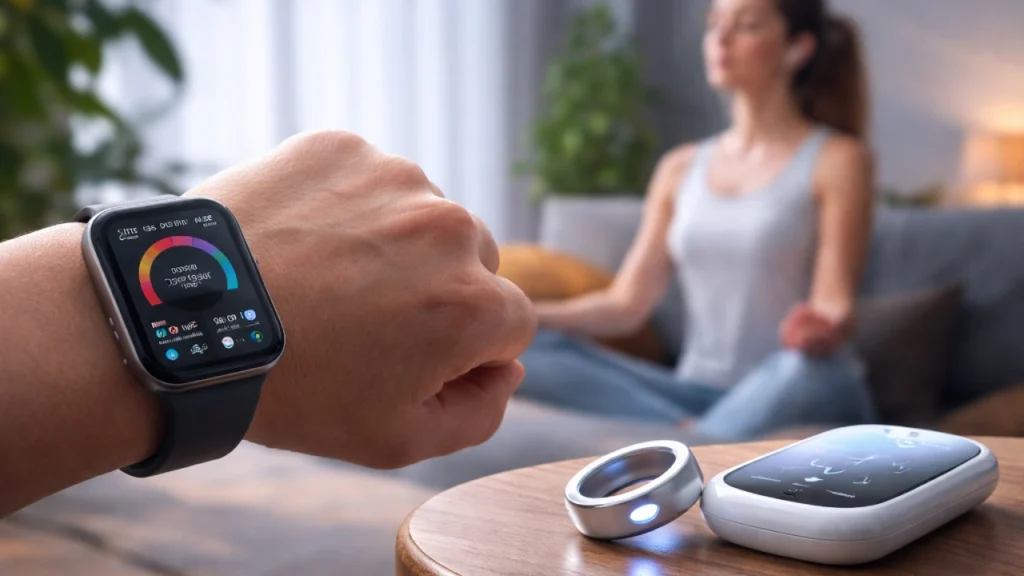
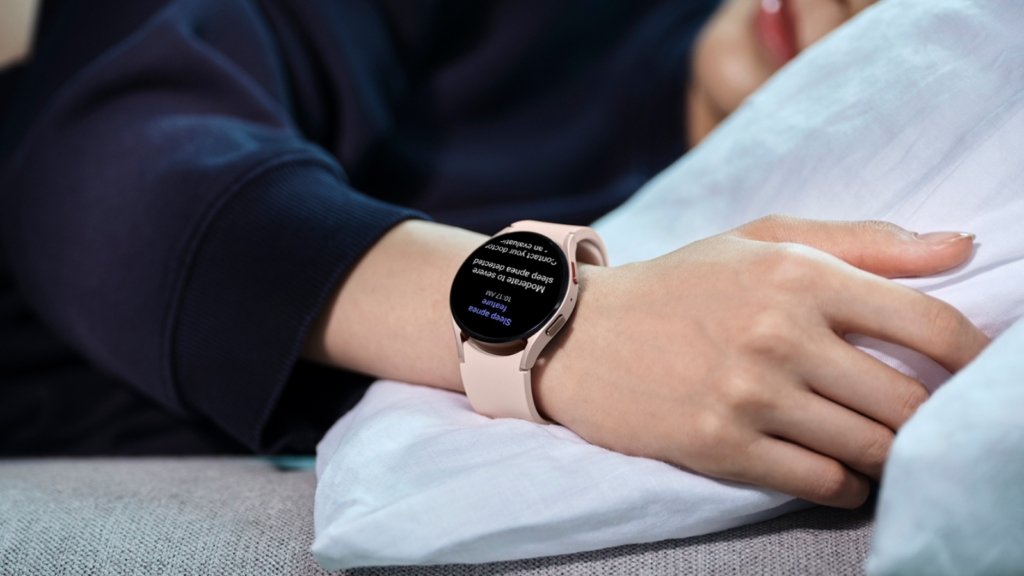
Many health devices now connect to mobile apps. They store data. They show charts. Some people find this useful. Others do not. Apps are optional. The core job of the device is measurement. If that is wrong, the app does not help. Basic devices still work well for many users.
What actually makes a health gadget trustworthy
Trust is built slowly. It does not come from packaging or brand ads.
Medical testing matters
Reliable gadgets are tested using medical standards. Brands mention this clearly. If there is no testing info, be careful.
Stable readings matter more than speed.
A good device gives similar results when used correctly. Small differences are normal. Big jumps are not. Consistency is key.
Simple design reduces error.s
Too many buttons confuse users. Simple controls reduce mistakes. A device should not need a long learning curve.
Support and warranty are signs of quali.ty
Good brands offer support. Warranty shows confidence. Health gadgets should last, not fail quietly.
Common mistakes people make at home
Many people misuse devices without realizing it. Talking during BP checks affects readings. Measuring temperature right after exercise gives wrong results. Using old glucose strips causes errors. Most of these problems are avoidable. Reading the instructions once helps more than people think.
How often should health checks be done?
More is not always better. Checking BP too often creates stress. Once a day or a few times a week is enough for most people. Doctors give better advice based on the condition. Health gadgets should bring clarity, not anxiety.
Who benefits most from home monitoring
People with ongoing health conditions benefit the most. Older adults need basic monitoring at home. Parents use thermometers often. Even healthy adults keep BP monitors for awareness. It is not about fear. It is about readiness.
Are cheap health gadgets a good idea
Low price does not always mean bad. But extremely cheap devices often have testing sensors. TesTestingsts money. Health data should be accurate. Saving money is good. Guessing health numbers is not.
Data safety in smart health devices
Smart gadgets collect health data. Apps should not ask for unnecessary permissions. Offline devices are safer for privacy-focused users. Read app permissions before using them.
Where home health monitoring is heading
Home health gadgets are improving steadily. Devices are becoming smaller and more accurate. Software helps spot patterns. Still, doctors remain central. These gadgets support care. They do not replace medical advice.
Final words
Home health gadgets are now part of daily life. The right ones help people stay aware without panic. Accuracy, simplicity, and reliability matter more than features. Ignore flashy claims. Choose devices that quietly do their job. That is what good health tech looks like at home.