

Highlights
- Smartphone cameras in 2025 rival dedicated cameras with powerful sensors and computational photography.
- Each flagship excels differently — from low-light mastery to unmatched zoom or pro-video tools.
- This guide ranks the best 2025 camera phones and explains what each model does best for real users.
- Practical buying tips help photographers choose based on their style, from night shots to pro-grade video.
Best smartphone camera systems in 2025 have a functional performance that isn’t a mere convenience compared to dedicated cameras. Whether you want realistic portrait shots, low-light cameras performing miracles, or usable long-range zooms at a photographic pitch, today’s flagship phones contain larger sensors; smart optic systems; and powerful on-device computational photography to create stunning images with consistency.
This guide helps sort through the noise, ranks the practical camera winners for 2025, explains what each system does best, and provides quick buying tips so you buy the right phone for your photographic style.
How I ranked these cameras
Ranking is more than just megapixels. This ranking is based on four realistic and pragmatic criteria: (1) primary sensor size and raw detail, (2) optical zoom quality and design of tele module, (3) low-light and computationally-driven performance, and (4) video characteristics and features (stabilization, log/codec options). This is based on lab tests and reports from camera review professionals and/or manufacturer specifications as a reference for accuracy and up-to-date facts.
1. Apple iPhone 17 Pro / 17 Pro Max — the most dependable subtle range
Apple’s Pro models remain the benchmark (to live to) for imaging technically, “it just works”! The iPhone 17 Pro Max (and by the transitive property 17 Pro)— have delivered all around very “natural” colour science, very dynamic range, and smooth video characteristics (proRes, log-like options) that most all creators desire a very workable (and dependable) image (more useable/edited) without getting out of the camera way. In 2025 – tech reviewers hailed Apple for even articles on “the vivid JPEG or video.” If aspect/impact (color and quality) is what you care about most, the iPhone Pro is the king at the top!
Best for: Your editor-style portrait commercial, video creator who needs “good usable footage” from out of the camera and not a lot of grading.
2. Huawei Pura 70 Ultra & flagship line (where available) – unrivalled imaging capabilities
When available, Huawei’s flagship line of smartphones is still competing on pure sensor and hardware innovation. Their Ultra models aggressively moved the sensor behind things like hybrid zoom into the spotlight, competing for the top spots on the DxOMark chart. If your photography needs a combination of absolute zoom range and the capability to capture high-resolution images, Huawei’s Ultra models have slight advantages, as do devices that Huawei’s built with other hardware companies. (Availability differs by market, including Google services.)
Best for: Long-range photo-taking, creating higher-resolution crops from photos and experimental photography.
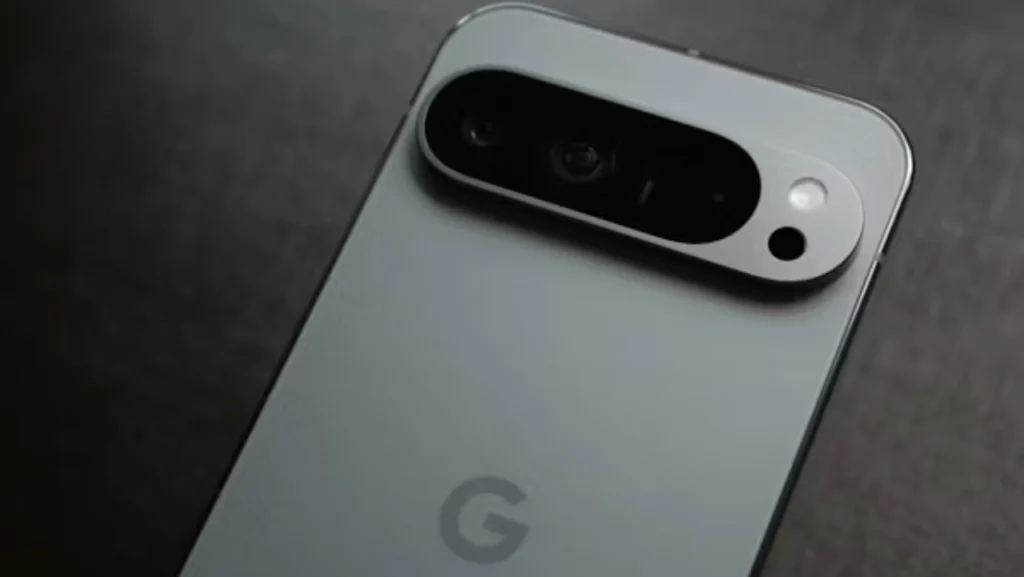
3.Google Pixel 9 Pro / 9 Pro XL – computational low-light performer
Google’s Pixel line is still synonymous with computational photography. The Pixel 9 Pro series (which even includes retests of the XL model) has received praise for low-light images that are among the best, natural skin tones in portrait processing, and excellent white balance. Google leans less on some massive sensor array and heavily emphasizes software that makes the most capabilities out of hardware — perfect if you shoot a lot at night or want consistently great shots without having to adjust a lot of settings.
Best for: Nightscapes, street photography, a great single lens.
4.Samsung Galaxy S25 Ultra — flexible, refined zoom and feature-set
Samsung’s S-series Ultra-style telephoto has been balancing good-sized sensors, a strong ultrawide camera with a capable focal length, and multiple telephoto options. The Galaxy S25 Ultra offered improvements in HDR and a higher resolution ultra-wide in 2025, and has a well-developed video toolkit. Labs have shown it to be a capable camera in many respects, with particular strengths in zoom versatility. While some labs have noted that the S25 Ultra has not been at the top of every chart of all time (+0 cameras), it remains a dealtbreaker for all users wanting the most versatile camera stack in one system.
Best for: Travelers and amateur photographers who want a camera capable of wide, tele, and night photography all from one phone.
5.Oppo Find X9 Pro – a sleeper pick for the pro videographer
In 2025, the Oppo Find X9 Pro emerged as a serious enterprise, especially for creators who work with video and professional modes. Reviews consistently pointed out that the X9 Pro features a 200MP-class module and LOG recording, stage mode, and teleconverters – all indications that one could move the device into “pro” territory for mobile videography and creative workflows. If you want many of the features similar to a mirrorless video tool on a phone, the Find X9 Pro needs to be considered.
Best for: Mobile filmmakers or content creators who plan to grade.
Honorable mentions: OnePlus 13 and Sony Xperia
The OnePlus 13 has improved its imaging capabilities in 2025 with Sony LYT sensors and a better tele lens, and it is a good value option for people who want the flagship experience without the flagship price.
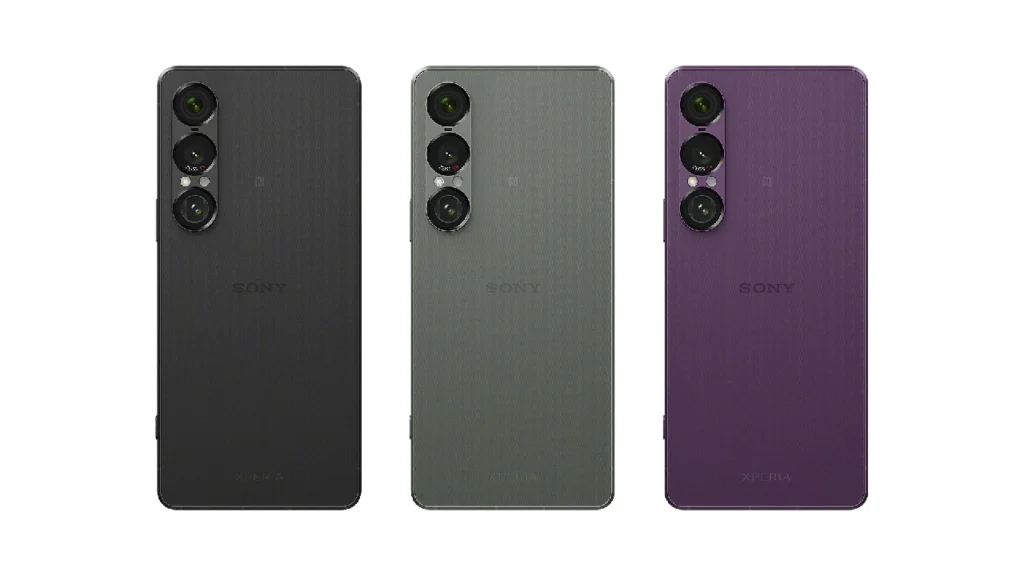
Sony’s Xperia family still focuses on providing creators manual control and a less stylized, flat, more filmic place to begin their grade. These phones might be more niche, depending on your workflow, but you would be happy with either.
Practical buying tips
Forget about mega-pixel wars – big pixel sizes and sensor design matter much more than the headline mega-pixel number for low-light and dynamic range capabilities.
Zoom strategy:
If you dislike cropping, that means you’ll want more phones with true optical telephoto (3x–10x sequence). Hybrid/digital zoom is useful, but expect to lose some descriptors after optical limitations.
Video specific needs:
Then you are looking for Log/flat profiles, a high bit-rate codec, and good stabilization (OIS + EIS). At this point, Oppo, Apple and several Samsungs have pro level options.
Software updates:
The computational quality of pictures improves through software, so make sure to check out the update policy of each brand (some models will gain computational features months after they were released)
Hands-on matters:
Color science is very subjective, so if you can physically test how the phone renders skin tones and indoor light, you should do that.
Quick decision : Which to one to choose?
- For consistent photography and videography, go for iPhone 17 Pro Max.
- For night and street photography, chooseGoogle Pixel 9 Pro.
- If you want to prioritise zoom and flexibility, Samsung Galaxy S25 Ultra will be your perfect fit.
- For professional video workflows, Oppo Find X9 Pro is undoubtedly the most suitable choice.
- If you want value flagship, OnePlus 13 will be ideal.
Final Verdict
In conclusion, the “best smartphone camera of 2025” is not a one-size-fits-all title — it depends entirely on what you as the user value most. If you’re a photographer who requires true-to-life colors and detail, a phone with strong color science and natural image processing will suit you best. For night owls and travelers, low-light performance and intelligent noise reduction might take priority. If you’re passionate about capturing distant subjects, advanced periscope zoom systems will be the deciding factor in your final selection. And for content creators or vloggers, professional-grade video tools, proper stabilization and cinematic recording options will hold more weight.
This guide is designed to help you match those priorities with the right smartphone — whether you want DSLR-level flexibility or a compact all-rounder that simply gets the shot right. What’s most exciting about 2025 is that the gap between flagship camera systems has never been narrower. Each leading brand now delivers excellence in its own way, meaning no matter which top-tier device you choose, you’re guaranteed stunning results, catering to various price points as well as priorities.