


Highlights
- Biometric smartphones in 2025 mainly rely on under-display fingerprint sensors, side-mounted fingerprint sensors, and camera-based face unlock.
- Side-mounted fingerprint sensors remain the fastest and most reliable option for biometric smartphones, especially under Indian environmental conditions.
- Under-display fingerprint sensors offer a premium, modern design but can struggle with dust, under-display fingerprint sensorsmoisture, and thick screen protectors.
- Camera-based face unlock is convenient on biometric smartphones but is less secure unless supported by advanced 3D facial recognition hardware.
Introduction
Mobile phones are a main identity tool in people’s lives today. Apart from being a comfort and safety necessity, biometric authentication has become a serious security measure for smartphones due to all the sensitive information stored in them: banking apps, Aadhaar-linked services, e-wallets, private chats, work files, and sensitive personal content. Up to now, phone manufacturers tried different biometric solutions and came up with three, to be precise, under-display fingerprint scanners, side-mounted fingerprint sensors, and camera-based facial recognition that will dominate by 2025.
Indian users go through various daily situations that can affect the performance of biometric recognition such as exposure to dust, sweaty fingers in humid weather, dry skin in winter, frequent commuting, and inconsistent lighting. This is why the Indian market is challenging and therefore, the best of all biometric technologies have been compared using their characteristics of speed, reliability, security, convenience, and practicality.

Under-Display Fingerprint Sensors: Premium But Not Perfect
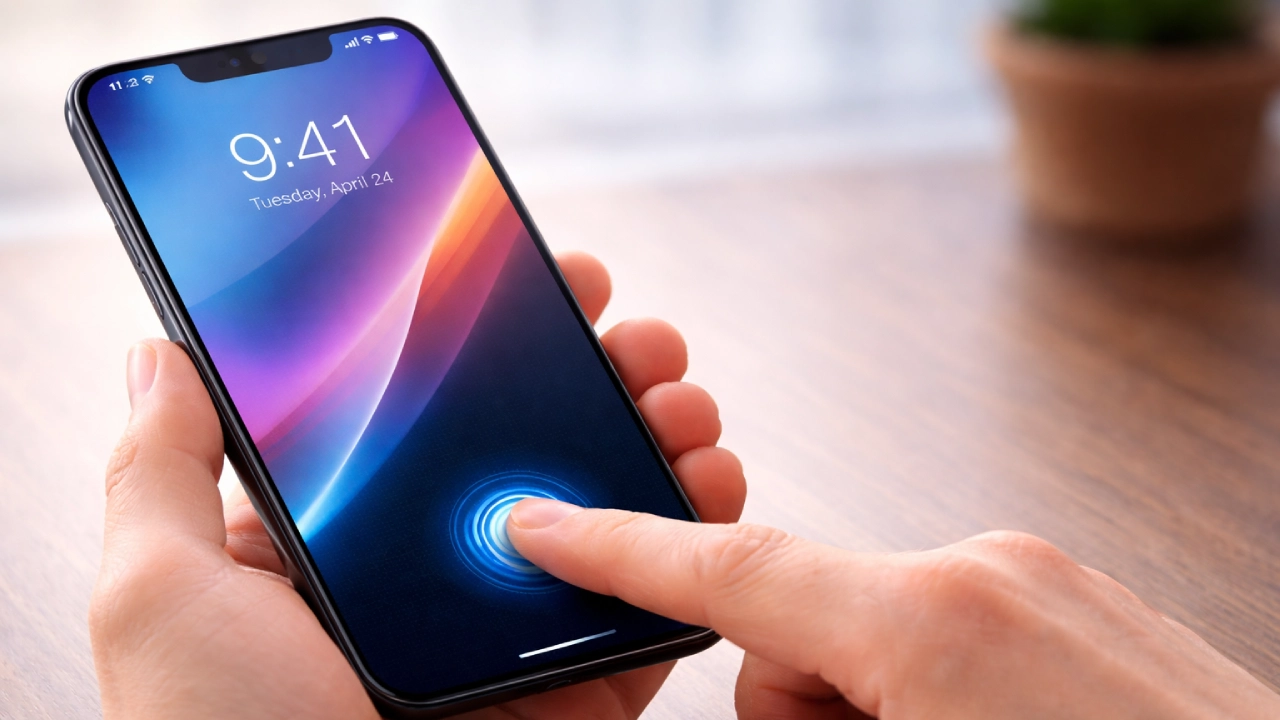
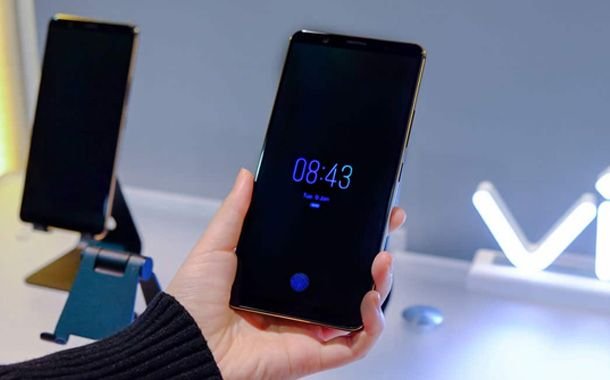
Under-display fingerprint sensors are now a common feature in both mid-range and flagship Android smartphones. The scanners are placed under the OLED display and are activated when the user indicates the intended spot on the screen with a finger.
There are two major categories:
- Optical sensors (most widely used, inexpensive, based on light reflection)
- Ultrasonic sensors (more advanced, deep mapping, precise)
Under-display sensors are viewed as the technology of the future and are also visually attractive, permitting the entire display to be designed without hardware cutouts. Their accuracy level generally is good and they are secure enough for banking and personal applications with fingerprint verification.
However, the consistency of their performance in the actual world differs. For example, the optical scanners may have problems in the case of sweaty fingers, oily skin, in dusty places, or when using very thick screen protectors. Ultrasonic scanners give better performance but they still have a major limitation of being available mostly in high-end devices.
Cold winter mornings, hands that are a bit damp from washing and finger moisture may lead to multiple failed scans. The overall speed is satisfactory but physical capacitive sensors can pull ahead by being faster in rare cases. Nevertheless, the calibration has been significantly improved by the manufacturers, and the sensors of 2025 have turned out to be much more reliable than those of the early generations.
Users who place a premium on aesthetic value, minimal hardware interruptions, and clean design, while at the same time expecting solid enough performance, would be the perfect ones for under-display sensors.

Fingerprint sensors mounted on the side: the best workhorse ever
Fingerprint sensors mounted on the side mainly are incorporated into the power button and remain very popular in India among all the device categories such as budget, mid-range, and even some upper-midrange devices. The capacitive fingerprint technology is being used by them, which reads the skin ridges directly and thus makes authentication fast and highly accurate.
The speed benefit is very obvious from the very first moment. Side sensors unlock almost at once and sometimes so fast that the screen lights up the moment the user presses the power button. They perform excellently even under slightly wet fingers, dry skin, dust exposure, and routine handling. Unlike their under-display counterparts, they do not rely on illumination or display response timing.
Side-mounted sensors are recognized as very power-efficient and require less recalibration. Their accuracy remains constant even after long-term use. Above all, for Indian conditions of humidity, perspiration, rain, and travel on dusty roads, these sensors are very reliable.
The only significant downside is the appearance that affects the design. They spoil the uniform look that ultra-premium phones aim for. Besides, left-handed users sometimes feel the positioning is awkward depending on how the phone is designed.
Yet, when we talk about daily use, they are still very much the best choice when it comes to speed, reliability and comfort.

Camera Unlock by Face: Comforting but Security level not Steady
The camera unlocked by face system utilizes the front camera for selfies, i.e., scans the user’s face and provides authenticity. There is no simpler method to unlock the phone than this one; just lift the phone, and it is unlocked without pressing any button. For a lot of users, especially those changing over from PIN/passwords, this seems to be magical and super easy.
Nevertheless, there are important issues to be considered. The majority of Android devices make use of 2D facial recognition technology that merely showcases the comparison of a visual picture of a face. The process is quick and fairly accurate in well-lit conditions but becomes unreliable in dimly lit places, night-time usages or heavy backlighting. Besides, Indian users who rely on their phones mostly outdoors encounter recognition problems due to glare.
To sum up, the strength of security varies. Basic 2D face unlock usually does not offer the same level of security as fingerprint authentication. Some older systems were even thought to be subject to photo or video-based spoofing, while nowadays most smartphones come with sophisticated anti-spoofing software. Supreme secure face recognition is done through 3D face mapping with specialized sensors like Apple’s Face ID which offers the highest security standards but is mostly confined to high-end devices and specific platforms
The use of masks during pandemic years brought out yet another constraint, and even now, sometimes, the covering of a part of the face may result in the failure of the authentication. Hence, even though facial recognition is extremely convenient, it is usually combined with finger reading, rather than replacing it.
Practical Speed Comparison
In the everyday speed contest, the side-mounted capacitive sensors keep being the fastest ones among others showing almost instant response as their feature.
Under-display scanners are slightly slower, but still generally quick, newer ultrasonic ones being the exception. The speed of camera face unlock varies a lot and it largely depends on lighting, the software optimization, and the quality of the device. In low light conditions, users frequently have to rely on fingerprint unlocking.
Henceforth, in a pure speed ranking:
- Fingerprint sensor on the side
- Fingerprint sensor under the display
- Facial recognition based on camera (varies according to lighting)
Reliability in Indian Environmental Conditions
There are 3 major factors in Indian conditions that are bad for the fingerprint reader – high humidity, high pollution, and high temperature – and the consistency that comes with it matters more than the brand of technology.
Side-mounted sensors are generally very reliable regardless of weather conditions. Under-display sensors have good performance but are prone to moisture and dust which could lead to faults. Camera face unlock has the hardest time in dark rooms, outdoor glare, and varying face angles.
Reliability ranking:
- Fingerprint on the side
- Fingerprint under display
- Face unlock through camera
Security Strength and Banking Safety
Security is the main area where differences are very significant. Generally speaking, fingerprint systems are tougher to hack than 2D face unlock when it comes to strong authentication. Biometric data of under-display scanners and side capacitive scanners are kept securely on-device and are then widely accepted by financial apps for authentication.
Camera-based systems’ security relied on the implementation quality. Devices with 3D structured light or IR depth mapping (like true Face ID systems) are very secure. Standard 2D camera-based unlock, on the other hand, is regarded as less secure and has occasionally been the case that in some banking or payment applications it is not allowed as a trusting authentication method by itself.
Security ranking:
- 3D face unlock (rare, premium devices)
- Side-mounted fingerprint & under-display fingerprint (mostly identical in a majority of cases)
- 2D camera-based facial recognition
User Convenience and Long-Term Practicality
Convenience is habit reliant. The face unlock function of many tech-savvy users is among the best reasons to use this feature, especially when they are using their hands. On the other hand, others will stick to fingerprint scanners because of the reliability and performance that they provide every time. A real-world situation that is seen in 2025 smartphones is giving users the option of hybrid authentication: the users can rely on fingerprints most of the time and switch to face unlock only when absolutely necessary.

Indian users who unlock phones several times a day, travel around a lot, multitask, and use payment-secure apps are the ones who still think of fingerprints as the most trustworthy and dependable option.
Conclusion
In 2025, biometric authentication in smartphones is far from the “one-size-fits-all” solution. The under-display fingerprint sensor charms with its premium, futuristic experience however it caters mainly to the mid and high end smartphone users, though good for most. On the other hand, the side-mounted fingerprint sensor has been coping perfectly, dealing with all such users adopting was the fastest, most consistent, and most practical option in Indian humid and dusty conditions where daily wear is common.
Camera-based face unlock is still the most user-friendly of all methods available but is the weakest link in security and reliability aspects when poor implementation is considered. It is definitely so without 3D sensing that it is best regarded as an added convenience rather than being on par with fingerprint authentication.
So, for most Indian users, the ideal choice remains to stick with fingerprint authentication where side-mounted sensors are leading real-world reliability, and under-display scanners are providing a stylish yet capable premium alternative. Face unlocking is useful but best paired with a fingerprint rather than being alone.