





Table of Contents
Highlights
- Claude Code represents a shift from AI assistants to autonomous, agentic work partners.
- The tool automates software development tasks, from feature creation to debugging and deployment.
- New legal and knowledge-work plugins have triggered disruption across professional services.
- Agentic AI raises major questions around reliability, workforce impact, and ethical oversight.
The AI work environment will experience a complete transformation through the development of artificial intelligence systems, which will transform from basic conversational functions into active work partners. The rapid development of Claude Code, which Anthropic developed as an agentic coding tool, marks a new era of artificial intelligence systems that will execute advanced tasks through automatic operations and code development,t and the whole industry, including legal services.
The developers created Claude Code to integrate with existing developer workflows, which has made it one of the most popular AI development tools used in the past few months. The system represents a complete development of agentic AI technology,s which enables autonomous machines to define objectives and create task plans for execution without needing to consult human operators. The introduction of new plugins and integrations has created two distinct trends, highlighting both exciting developments and contentious issues that span different business sectors. The Claude Code system provides both development support for programmers and marketplace disruption to legal technology through its ability to generate stock market fluctuations.
What Is Claude Code?
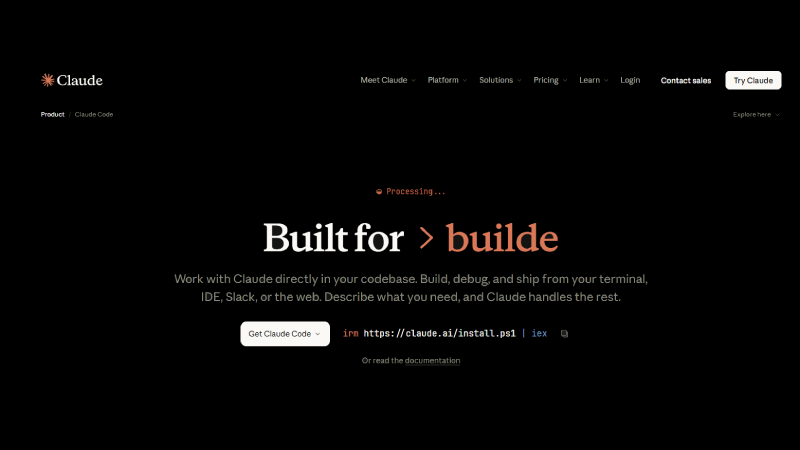
The Anthropic-developed coding assistant named Claude Code functions through both terminal and integrated development environment systems. The system functions as a dedicated operational tool that moves beyond the typical capabilities of AI chatbots by providing direct operational functions to users. The agentic coding tool Claude Code enables users to develop software applications by executing software development tasks through natural language commands, which include project planning, code development, and debugging activities.
Key Capabilities
Claude Code serves as a task execution assistant that extends beyond its primary function as a text prediction tool. The system provides its users with three main functions, which include:
Feature Development from Descriptions
Users can describe software features in plain language, and the AI generates structured code while ensuring functionality and integration.
Automated Debugging
The tool analyzes errors, identifies root causes, and implements fixes directly within projects.
Codebase Navigation
Claude Code gives users the ability to locate project information because it maintains knowledge of project structures throughout its extensive repository system.
Task Automation
The system requires only minor human intervention to complete three tasks, which include resolving merge conflicts, fixing formatting errors, and producing release notes.
The tool is widely recognized as part of a new class of AI agents that accept goals and autonomously break them into executable steps, which speeds up software development processes.
The Technology Behind Agentic Coding
Agentic coding describes AI systems that execute tasks without human intervention after they receive their initial operational directives. Agentic tools establish an organized task sequence,s which they use to carry out their functions through file edits and command executions.
The systems use configuration files to operate because these files contain project details, which include architectural information and operational guidelines for their collaborative programming work.
Claude Code demonstrates this system architecture through its natural language understanding, project-level contextual awareness, and ability to perform tasks without human oversight. This combination marks a shift from AI as an advisory tool to AI as a production assistant.
How to Use Claude Code: A Beginner’s Guide
Installation and Setup
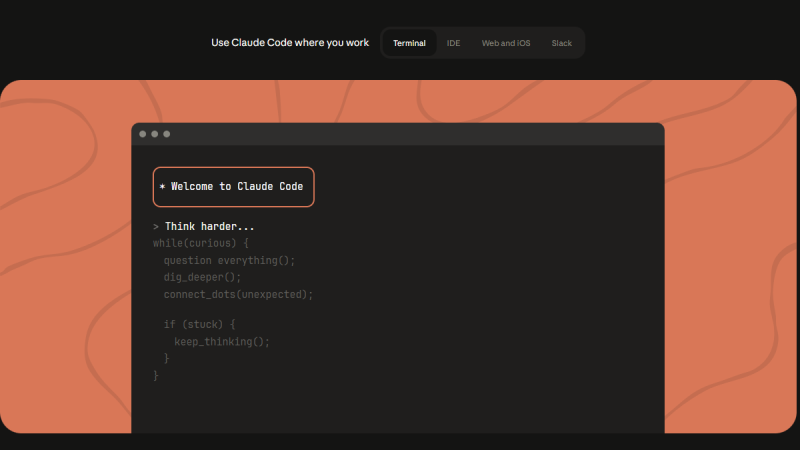
Claude Code enables users to install its software on various operating systems through command-line tools and package management systems. The setup process typically involves:
- Creating or signing into an Anthropic account
- Installing Claude Code via installation commands or package managers
- Running the tool from a project directory
- Logging in during first use
Developers can start using Claude Code after installation through their terminal by entering basic commands to access the system.
Basic Workflow
Users can start working with Claude Code after they activate the program by:
- Asking it to implement a new feature
- Providing error messages for debugging
- Requesting code explanations or refactoring
- Automating documentation or testing tasks
Collaborators can work together through the system, which lets users edit files directly while using version control features.
Advanced Features and Integrations
The design of Claude Code enables its usage in different environments,s thus providing developers and corporate teams with flexible operational capabilities.
Multi-Platform Integration
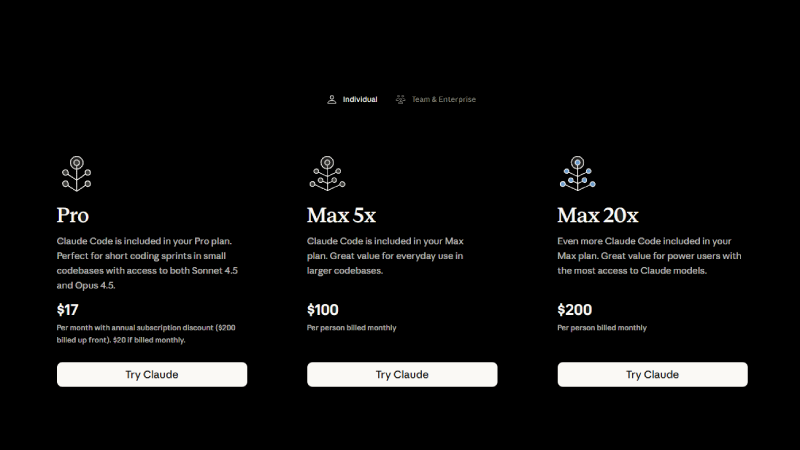
The tool can be used across:
- Web browsers and desktop applications
- IDE plugins such as Visual Studio Code and JetBrains platforms
- Cloud infrastructure
- Collaboration tools like Slack
Continuous integration systems such as GitHub Actions and GitLab pipelines
The development pipelines of teams can incorporate AI automation through these integrations.
File System and Context Awareness
Claude Code can access local project files and maintain context through documentation and structured project data. This capability enables improved collaboration between developers and AI systems.
Best Practices and Usage Tips
Technical systems require strategic operational processes to achieve their maximum performance potential.
Provide Clear Task Instructions
AI agents perform best when given specific, structured goals. The system creates correct code when you define output requirements with exact details.
Use Version Control Safely
The automatic editing function of Claude Code allows it to create file changes and commit those changes, but proper version control practices must be followed to enable error restoration.
Combine with IDE Extensions
The extensions enable users to start multiple AI instances while working simultaneously on different sections of their codebase.
Maintain Documentation Context
The project documentation and guidelines make better output results because they provide essential work reference materials.
The Legal Plugin That Shocked the Market
Anthropic developed a legal workflow plugin during its recent expansion of Claude, which enables users to conduct legal work beyond software development.
The plugin can automate tasks such as
- Contract analysis
- Compliance tracking
- Legal brief generation
The company requires that every output undergo evaluation by licensed professionals in accordance with its established standards.
Market Fallout
The introduction of these tools triggered dramatic financial consequences. The investors’ response created substantial stock value drops for legal software and publishing companies. Certain companies suffered severe financial losses because markets predicted automation would replace conventional methods of operation in professional services.
The launch of Claude plugins caused an industry-wide SaaS disruption, which enabled automated billable knowledge work to replace traditional software revenue systems.
Expanding Beyond Developers
The Cowork Model extends its reach to users who are not developers. The Cowork system provides a graphical interface that creates agent-based AI workflows that non-technical users can access. The system enables teams to develop custom plugins that convert Claude into specialized assistants for various fields, including legal research and compliance work. The plugins enable users to create custom AI solutions that meet their professional needs and organizational workflow requirements. The expansion shows the company’s mission to make AI productivity tools accessible to all users who need them.
Advantages
Claude Code contains multiple advantages that make it superior to standard coding help tools. Claude Code offers multiple advantages that make it superior to standard coding help tools. The system functions within developer tools, which existing developers use without needing additional software. The system permits users to execute their commands directly through its interface. The tool includes built-in privacy and compliance features,s which enable enterprise users to adopt it securely. The tool enables developers to automate their routine tasks, which allows them to work on complex issues. The system supports multiple industries through its plugin capability, which enables usage in legal, financial, and regulatory compliance fields.
Risks
The technology demonstrates potential benefits, but its implementation creates multiple dangers. The system has experienced service outages, which stopped development work because organizations heavily depend on AI for their operations. The demand for knowledge-based jobs will decrease because automation will replace existing tasks, which leads to workforce reskilling needs.
The Competitive AI Coding Landscape
Claude Code operates within a dynamic environment where AI coding assistants continuously develop new capabilities. Technology companies now develop developer tools that depend on AI, while their competitors create systems that use agent-based programming methods.
Multiple software platforms now offer AI agents that possess the ability to autonomously create code and conduct testing and code compilation operations, which indicates that agent-based development will establish itself as the forthcoming industry standard.
Conclusion
Claude Code functions as more than a software application because it represents a fundamental shift in human-AI interaction. The technology enables AI systems to perform full task management, which includes planning and execution, while it creates a partnership relationship between AI and humans.

The development team of a company demonstrates the power of agentic AI systems through their fast implementation, while their expansion into legal services shows their unstable nature. Claude Code represents a significant advancement toward AI-based productivity despite ongoing issues related to reliability, ethics, and workforce changes.
Organizations use autonomous software partners to test new systems, while Claude Code demonstrates how AI technology changes work environments and creates new definitions for work in the present day.
