





Table of Contents
Highlights
- Claude Opus 4.6 introduces agent-driven AI workflows that execute multi-step tasks autonomously.
- A 1–million-token context window enables handling full codebases, documents, and datasets in one session.
- Deep GitHub Copilot and Azure Foundry integration brings AI directly into enterprise tools.
- The release shifts AI from assistant to persistent digital teammate for knowledge work.
Claude Opus 4.6 functions as an essential upgrade because it modifies existing artificial intelligence work processes.
Anthropic introduced its latest main AI model via Claude Opus 4.6, which represents a modeling achievement beyond ordinary product enhancements. Opus 4.6 advances AI applications through its capability to develop software and organizational processes, which include enterprise productivity solutions through its continuous operation system and its advanced connection with essential business systems.
The model is already rolling out across developer ecosystems, including GitHub Copilot and Microsoft’s Azure Foundry, indicating that the change is not theoretical. The implementation arrives directly in the existing company tools, which they currently utilize.
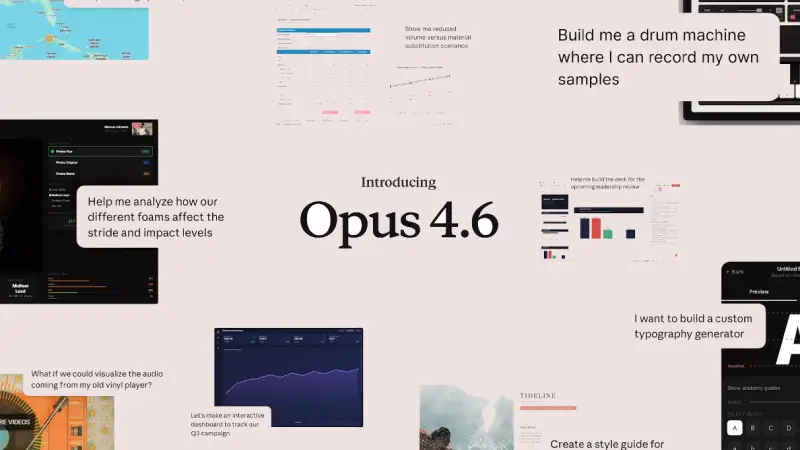
AI Transitions from being an Assistant to a Teammate
The major change in Opus 4.6 development is its embrace of agentic AI that focuses on creating a system that operates as an independent work partner rather than as a chatbot. The model enables agents to perform workflows because it allows users to define their tasks through multiple steps, which the system will execute without further human input.
The system enables teams of AI agents to work together by using agent teams, which divide tasks into separate areas such as code writing, debugging, and testing. The system models actual engineering group work patterns, which permit the system to execute extended complex tasks without needing user assistance.
The system enables users to complete projects instead of handling only brief tasks through its Opus 4.6 AI tools. The main advantage of the new system for developers and knowledge workers involves using delegation instead of acceleration.
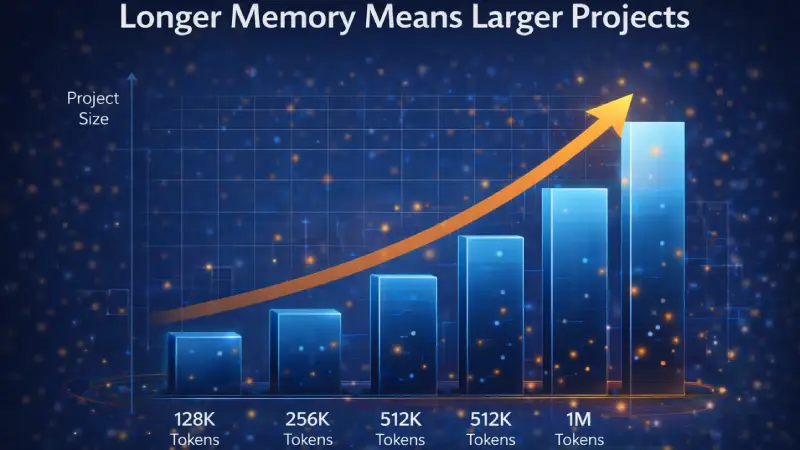
Longer Memory Means Larger Projects
The existing system needs to expand its operational capacity because it currently handles projects that require greater resources. Opus 4.6 beta version introduces a new 1-million-token context window, which enables users to process documents and codebases that contain up to one million tokens during a single session.
The AI system requires a specific memory capacity to perform all assigned work tasks. The model enables users to study complete software repositories, extensive financial documents, and multiple document sets without losing track of their original context.
The AI tools now enable engineers to operate complete business processes from start to finish. The system enables users to read documents, create software, build presentations, and conduct data analysis through a single unified process.
Integrated Directly Into Developer Tools
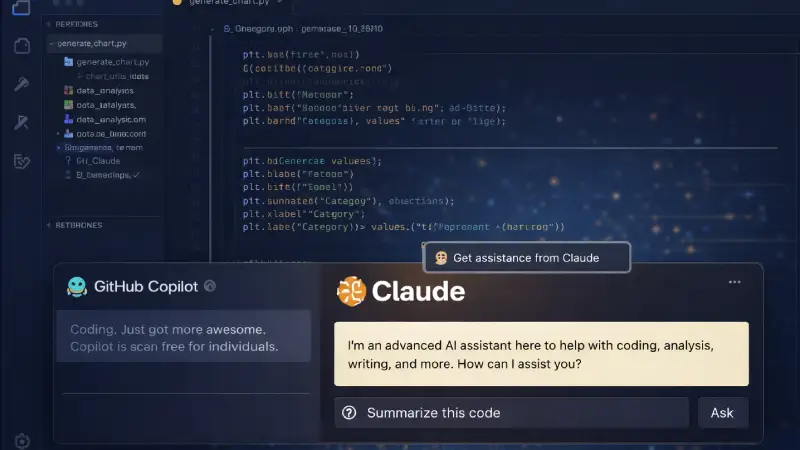
Opus 4.6 now functions as an integrated component within software platforms that operate independently of its chatbot capabilities. GitHub has integrated Claude-based agents into Copilot workflows, which enables developers to assign tasks for bug fixing and pull request management to AI within their coding environment.
Microsoft has made the model accessible through Azure Foundry, which enables business customers to use it for their enterprise operations and internal business process automation tasks. Companies can create custom AI agents with Opus 4.6 to handle customer support, analytics, and document processing tasks.
The primary distribution method has changed. The Opus 4.6 system now provides its AI capabilities through software tools that users already use instead of requiring users to learn a new product.
Knowledge Work Expands Beyond Coding
The main purpose of Opus 4.6 development at Anthropic includes advancing coding capabilities while its features serve multiple knowledge work functions. The model processes spreadsheets, presentations, research documents, and financial analysis content through a single software interface, which requires fewer updates.
The situation matters because it transforms AI technology from being accessible only to developers into becoming an essential tool for all employees in work environments. The same enterprise AI model enables analysts, marketers, and operations teams to execute their project planning and data analysis and deliverable production tasks.
The result creates a unified AI system that delivers all job functions. A single system performs all three functions, which include coding, writing, and analysis.
Benchmark Gains Translate to Real-World Workflows
According to Anthropic, Opus 4.6 achieves top performance in multiple coding agent benchmarks, reasoning tests, and real-world task assessments. It has achieved top scores on both agent-focused programming tests and enterprise-style evaluation benchmarks.
New models often produce benchmark improvements that occur with their introduction, but this particular model demonstrates specific enhancements that enhance its performance on tasks requiring extended operation with automated processes. The improvements to the model exist to decrease human correction needs during production work.

What Changes for Companies
Opus 4.6 enables businesses to transition from using AI tools that support their staff members to adopting systems that perform major work tasks without human involvement.
The new enterprise system enables organizations to create agents that function in data analysis, report writing, software development, and interdepartmental task management. The longer context window of the model enables agents to handle extended knowledge databases and code repositories without requiring continuous access to new prompts.
The process will become more efficient because it needs fewer dedicated tools for various tasks. Companies will start using one AI system to manage their analytics, coding, and documentation processes instead of working with multiple systems.
What Changes for Developers
Opus 4.6 enables developers to use AI technology throughout their development work. The model enables developers to wait until its completion instead of using code snippets because it will manage the full development work.
GitHub Copilot and other platforms now use AI systems, which developers will work with as they delegate work and evaluate outcomes instead of writing code from start to finish.
The Bottom Line
Claude Opus 4.6 introduces a new model that functions as an AI system that works with users through their daily activities. The release introduces AI systems that function as persistent digital coworkers that work together with users through their regular tasks.
The software update brings improvements to coding assistance and reasoning features and deeper system connections. The AI system will achieve its main goal when it successfully manages complex projects through all phases, which involve multiple document types and code repositories and different operational procedures.
The transition establishes AI as a digital coworker who provides productivity help while determining the future development of AI tools used by businesses and developers.
