




Table of Contents
Highlights
- App distribution is shifting from tightly controlled app stores towards a more open, hybrid ecosystem.
- New decentralized marketplaces and third-party marketplaces promise lower fees, better transparency, and user ownership.
- The near future will likely see centralized, alternative, and blockchain-based app stores coexisting, each serving different user and developer priorities.
App stores once seemed like a certainty: tightly curated, company-controlled storefronts operated by companies like Apple and Google that facilitated discovery, payment, and – most importantly – gatekeeping.
In the years since that model provided convenience and a degree of platform security, many users have grown accustomed to. But it also focused vast power and profits in the hands of a small group of platform owners. That equation has recently started to change.
Regulation, high-profile legal battles, and new decentralized technologies have conspired to create new distribution channels. What was a virtual monopoly on app distribution is turning into a more plural, disputed environment where centralized app stores, third-party alternative marketplaces, and blockchain-native directories all get to play a part.
What shifted: law, litigation, and platform reaction
Two large forces accelerated this shift. On the one hand, regulation has started to demand greater transparency. Legislation in certain jurisdictions now compels large platform proprietors to allow third-party app stores and sideloading, compelling firms that have previously resisted such alternatives to open APIs and technical routes to alternative distribution.
Conversely, developer commercial and legal pressure revealed the constraints of the aged model.
High-profile conflicts, particularly between Apple and Epic Games, highlighted platform fees, payment terms, and gatekeeping choices and indicated to developers that there are tangible business motivations for seeking alternative distribution.
These innovations led the discussion from courtrooms and forums into daily headlines and directly influenced how some key apps are available to consumers in particular regions.
Platform reactions have varied, indicating the fundamental tension within this transition. Firms that own the stores caution consumers about security and safety risks if they sideload applications or download from less-vetted sources. Regulators and consumer-protection groups reflect valid concerns regarding malware and scams.
Meanwhile, platform operators have begun to evolve: some implement identity and verification practices for developers offering apps outside their stores, presenting those actions as security measures even as they change the extent to which open third-party channels can be. The upshot is a rich policy environment in which technical change is influenced as much by litigation and law as by engineering.
Decentralized marketplaces: what they are and where they’re at
In addition to conventional third-party stores, Web3 initiatives offer an alternative: marketplaces where listings, discovery, payments, and governance are managed by decentralized protocols rather than a single company.
In real life today, that entails directories and stores that feature decentralized finance (DeFi), NFT, gaming, and social apps on multiple blockchains and offer on-chain settlement, transparency, and censorship resistance that centralized shops cannot.
These dApp directories are easy to use for discovering and interacting with peer-to-peer services and smart contracts, and they reflect various trade-offs -centralized support and polish users have come to associate with native mobile apps versus openness and transparency.
Various hybrid experiments bridge Web2 and Web3: tokenized developer incentives, in-app token economies, and projects that anchor decentralized apps to current chains like Bitcoin via layers like Stacks. Mainstream mobile apps, however, such as popular social media or AAA games, have yet to be convincingly reimagined as fully decentralized offerings at scale.
Current decentralized marketplaces are doing well in niche spaces—financial apps, NFT marketplaces, and gameFi – where tokenized experiences and on-chain settlement are genuine differentiators, rather than attempting to replace mainstream app stores in their entirety.
Why decentralized marketplaces are enticing – and challenging
The attractiveness of decentralized marketplaces should be apparent. They offer the potential for reduced gatekeeper fees, programmable payments, built-in digital ownership expressed as tokens or NFTs, and resilience against censorship by centralized authorities.
For developers, blockchain-delivered delivery could mean direct revenue agreements with users, innovative monetization strategies, and receipts on-chain that are harder to dispute. For private users, decentralized models can reduce reliance on massive corporations that collect vast amounts of individual information.
But serious issues remain. Discovery and trust are harder when there is no one review or approval process; users and developers must hunt through thousands of projects and smart contracts to find quality, well-documented code. Onboarding remains the most significant source of friction: wallets, seed phrases, fees, and the mental model of transaction signatures are still a source of friction for mainstream users accustomed to the convenience of native app installation and credit card payments.
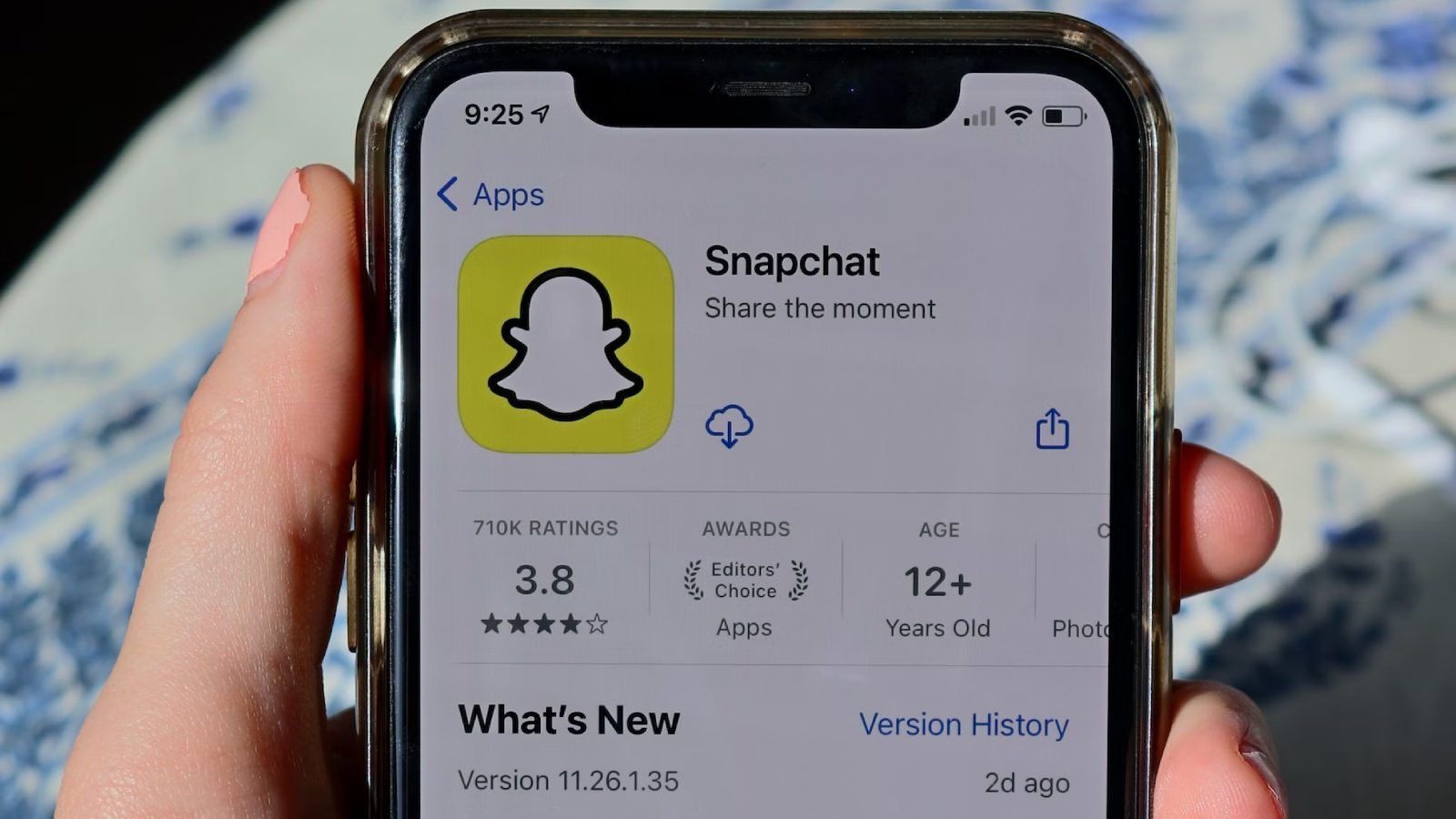
Fragmentation between blockchains only adds to the complexity for developers looking to access large user bases. Regulatory and liability issues are also tricky; when marketplaces are protocol-based rather than company-operated, issues surrounding consumer protection, fraud recovery, and legal accountability become harder to address.
A hybrid future
The most probable near-term scenario is neither complete decentralization nor a return to the past exclusive model, but a hybrid environment in which various systems coexist and play distinct roles. Established app stores will likely retain their core position for mass-market, curated native apps, as they continue to provide the lowest-friction experience and optimal discovery for ordinary users.
Concurrently, third-party and regionally empowered alternate stores – already growing in some markets – will provide developers with a viable means to distribute and diversify payment terms, and big-name titles will reappear through these channels where permitted by regulation.
Concurrently, decentralized dApp listings and marketplaces will continue to evolve in domains where on-chain settlement and tokenized user interfaces make sense, such as DeFi, digital collectibles, and blockchain gaming.
To make the hybrid model work, fresh standards and tooling will be required. Identity verification frameworks, developer attestation protocols, decentralized reputation frameworks, and significantly improved wallet UX will be required to render decentralized marketplaces digestible for mass-market users.
Platform operators will take on or indeed mandate some of these measures as part of security compliance. The relationship between platform security issues and regulators’ demands for openness will determine which hybrid approaches catch on and which remain niche experiments.

What users and developers need to monitor
Developers will want to closely monitor changes in regulations across their target markets, platform policies, and the evolution of multi-chain deployment tooling. For most indie and mid-sized groups, alt stores are already a viable strategy for reducing fees and diversifying income streams. For crypto-primitives-based projects, token models and dApp directories offer distinctive monetization avenues that traditional stores can’t match.
Users, on the other hand, should observe how consumer protections and security habits evolve. The ubiquity of sideloading and decentralized marketplaces amplifies choice but also elevates the digital literacy bar: knowing about identity verification, permission grants, and wallet security is more crucial than ever.
Distribution of apps is no longer a simple binary choice between the App Store and nothing. Legal pressure, prominent developer disputes, and the potential of Web3 technology have widened the scope: alternative shopfronts are already in operation in most markets, and decentralized app marketplaces are gradually becoming more mature. The shift will be incremental and spotty instead of sudden.
Anticipate a more varied, richer ecosystem in the years ahead, wherein curated shops, third-party marketplaces, and decentralized directories coexist – each tuned to different priorities, such as convenience and curation, openness and competition, or on-chain programmability and ownership.
The question is not if decentralized marketplaces will come – some already have – but how soon they can embrace the discoverability, safety, and user experience that mainstream consumers expect. The following years will tell us which models work and which are still experimental.
