





Table of Contents
Highlights
- Dolby Vision 2 features a redesigned image engine that delivers brighter, more colorful, and sharper visuals.
- AI-powered Content Intelligence introduces tools like Precision Black, Light Sense, and Sports/Gaming Optimization, ensuring adaptive picture quality tailored to both content and environment.
- Industry adoption is already underway, with Hisense integrating Dolby Vision 2 into its RGB-MiniLED TVs and CANAL+ committing to enhanced Dolby Vision streaming.
- The upcoming Apple TV 4K is also expected to support Vision 2, making premium streaming experiences more accessible to consumers.
Dolby Laboratories has officially announced Dolby Vision 2, a significant update to its top HDR technology. This is designed to take advantage of today’s modern TV capabilities. It aims to change home entertainment by combining advanced image processing, AI-driven optimization, and creative tools to provide an unmatched viewing experience.
A Decade of Leadership in HDR
For over ten years, Dolby Vision has been the top choice for high-quality HDR formats. It delivers lifelike colors, contrast, and brightness on TVs and streaming devices. With Vision 2, the company is expanding on this base to take advantage of new opportunities in TV technology and content creation.
John Couling, Senior Vice President of Entertainment at Dolby, says the new standard marks a turning point: “Dolby Vision 2 changes our understanding of Dolby Vision. It allows modern TVs to reach their full potential and provides artists with amazing chances to explore their creativity like never before.”
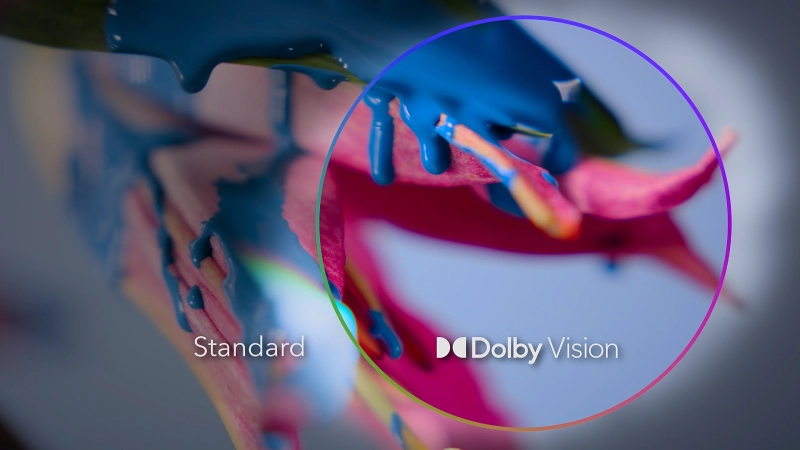
Powered by a Redesigned Dolby Image Engine
At the core the Vision 2 is a newly redesigned image engine that takes advantage of improvements in display technology. It produces brighter, more colorful, and sharper images while maintaining the original creative vision. This engine works closely with Dolby’s wide range of content, ensuring it is compatible with popular movies, TV shows, live sports, and a growing collection of Dolby Vision-enabled games.
Introducing Content Intelligence
One of the biggest additions in Vision 2 is Content Intelligence, a set of AI-driven tools that connects creative production and viewer experience. This feature optimizes picture settings based on the content type and the viewing environment. Key components of Content Intelligence include:
- Precision Black: Improves shadow detail and clarity in dark scenes without changing the filmmaker’s vision.
- Light Sense: Uses light detection and reference lighting data to adjust brightness and contrast for any room condition.
- Adjusts motion handling, white point settings, and responsiveness to provide a smooth experience for high-speed sports and fast-action games.
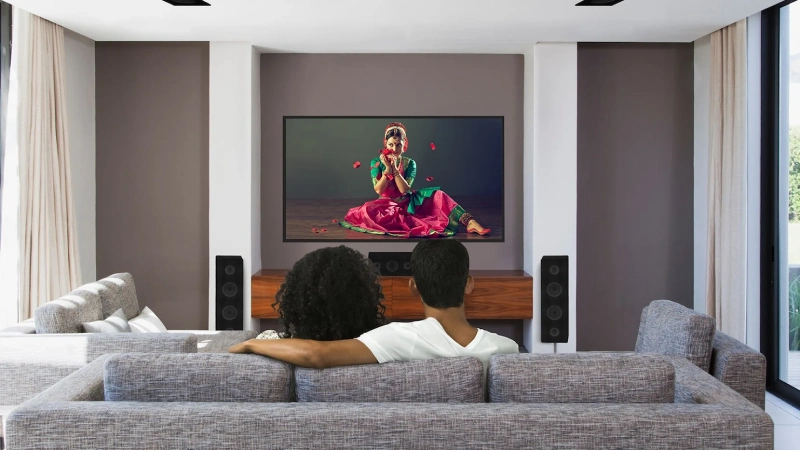
These features ensure that it not only enhances HDR but also responds intelligently to user conditions for the best viewing experience.
Bi-Directional Tone Mapping and Expanded HDR
Dolby’s Vision 2 introduces bi-directional tone mapping. This feature gives creators better control and lets TVs make the most of their hardware. The result is richer colors, higher brightness, and sharper contrast designed for next-generation displays. Additionally, it goes beyond typical HDR by adding Authentic Motion, the first creative-driven motion control tool. Authentic Motion removes unwanted judder on a shot-by-shot basis, making scenes feel more cinematic and smooth.
Two Tiers of Dolby’s New Vision 2
The new standard will come in two versions:
Dolby Vision 2 Max: For high-end TVs, this version unlocks the full potential of premium hardware with improved features.
Dolby Vision 2: For mainstream televisions, this version offers essential next-generation capabilities without sacrificing quality.

Early Industry Adoption: Hisense and CANAL+ Lead the Way
Hisense will be the first TV brand to integrate Dolby Vision 2 into its RGB-MiniLED premium TVs, which use MediaTek’s Pentonic 800 chipset with the MiraVision™ Pro PQ Engine. This is the first chip to support Vision 2. Hisense claims this combination will provide outstanding brightness and color accuracy, setting a new standard for TV performance.
In the media space, CANAL+ has promised to deliver movies, series, and live sports in Vision 2. This reinforces its reputation as a leader in high-quality content delivery.
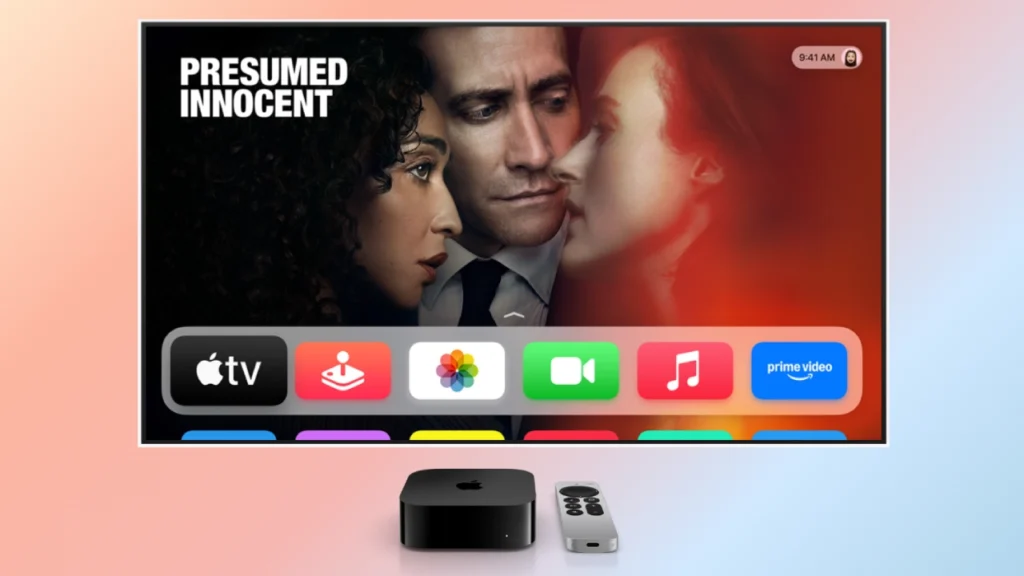
Apple TV 4K Likely to Support Vision 2
Apple is expected to announce a new Apple TV 4K this fall, possibly as early as next week. Given Apple’s history of supporting new video standards, support for Vision 2 seems almost certain; if not at launch, then shortly afterward. This would make Apple TV 4K one of the first streaming devices to use Dolby’s new technology for a better home theater experience.
What This Means for Viewers
For consumers, Dolby’s new Vision 2 marks a significant improvement in visual quality. It combines advanced HDR, AI-based optimization, and creative flexibility. With backing from leading TV brands and content creators, more people are likely to adopt it, making Vision 2 the new standard for premium entertainment experiences.
As TVs become brighter and smarter, Dolby Vision 2 makes sure the visual experience keeps up with hardware advancements. It provides stunning realism, adaptive intelligence, and cinematic authenticity like never before.
