


Highlights
- Modern e-readers now offer faster page turns, smoother visuals, and usable color displays.
- Color e-paper has evolved enough to support comics, magazines, and illustrated books.
- Flexible and foldable e-readers mimic the feel of real books while improving durability and portability.
- OLED tablets excel at multimedia, but e-ink still wins for extended, eye-friendly reading.
Once just clunky substitutes for books, e-readers now come in many shapes, driven by how people actually read. Not long ago, these gadgets seemed little more than grey rectangles pretending to be pages. Today, their surfaces act less fake, mimicking paper’s texture with softer light and fewer glares, while some display colours well enough that drawings pop without draining battery life too fast. Others bend at corners or shrug off drops thanks to rugged materials tucked inside thin frames. Then there are bright OLED types, sharp for videos but tougher on the eyes during long sessions. Each version trades perks and limits depending on what you want from your screen time.
E-readers Evolution: From Paper to OLED Screens
Reading feels natural when light bounces off the surface, as it does on regular pages. Most folks prefer a device that’s easy to carry, clear even in sunlight, and needs charging just once every few weeks. These screens show words softly, never forcing eyes to face harsh glows. Think of it as ink on paper, quiet and steady under any lamp or daylight.
Power gets used only when flipping to another page. This trick lets some gadgets last through long trips without ever needing to be plugged in. Imagine leaving home without worrying if your reader died halfway through chapter three. Less fuss with cords makes diving into stories simpler than ever before.
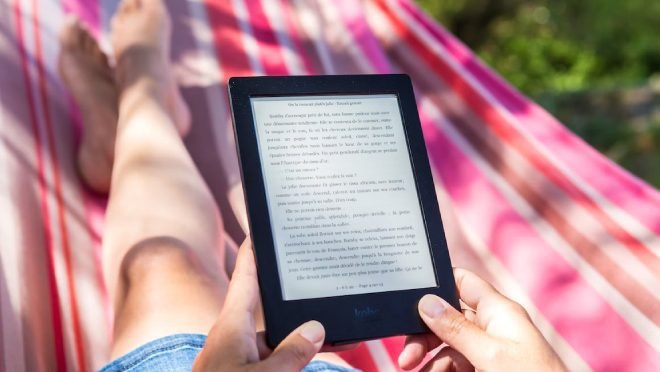
Comfort matters as much as ease. Several people notice that their eyes feel more comfortable on reflective screens than on glowing ones. Long stretches spent reading phones or tablets often lead to tiredness, according to both research and personal notes. Tablets are not broken tools; instead, they work well for quick reads, videos, or interactive tasks. Yet if flipping through lengthy books fills your evenings, E Ink quietly pulls ahead.
Fresh tech jumps pushed screen sharpness, response times, and lighting to the next level; the makers of these devices did not want to wait around. These tweaks gave e-readers the speed they once lacked, while maintaining long battery life and glare-free viewing. Today’s models handle tasks users want without losing what made them unique in the first place.
Colour e-paper: finally useful for comics and magazines
Not long ago, colour on e-paper was dull, with faded shades and sluggish updates killing the life found in vivid pictures. Now things have shifted, thanks to two new methods already inside real gadgets. Instead of plain black-and-white screens, one method sticks a tinted film above them. It works like slipping a stained sheet over paper, bringing just enough hue for kids’ stories, comic panels, or front pages while keeping classic E Ink perks. Recent models using this trick deliver richer palettes and handle sunlight far better, making images pop where old ones felt washed out.

One bolder idea puts colour right inside the e-ink, using several miniature pigments within every single pixel. Instead of layering on top, hues emerge from within, making shades deeper, more like genuine ink on a page. Pages begin to look like magazines, quiet and clear. For years, this technique lagged when flipping screens fast; motion felt sticky and delayed, but now, smarter circuits push data through faster than before. Sluggish shifts fade away. What arrives is colour that works, not just colours that show up.
Out on the streets, you will see two kinds of colour e-readers doing different jobs. One type uses filters and moves quickly, built for folks flipping through comics or illustrated stories. The other relies on multiple pigments, attracting artists and designers seeking true-to-life hues. Neither feels like a gadget anymore. These are not toys being tested in labs, they are out there, under sunlight, showing full-colour pages without killing the charge by noon. Long after lunch, they keep going.
Flexibility and the first foldables: a book that bends
The materials that make up screens are changing fast. Glass used to rule, yet its brittleness holds back slim, bendable gadgets. Plastic backs now replace rigid layers, letting e-paper twist, flex, and even survive tumbles. At first, only work-focused tablets were willing to endure this arduous setup. Now, everyday items carry the same rugged tech.

Folded flat, these new e-readers look nothing like old models. Instead of stiff frames, they bend at the spine thanks to clever hinge designs and soft-screen tech. Opening them feels familiar, much like cracking open a novel on the train. One-piece slides slightly over another when closed, shrinking bulk without breaking function. A reader might forget it is electronics, given how easily it twists in clumsy hands. Two pages appear side by side once unfolded, making spreads flow better than before. Picture a storybook creasing into odd angles to surprise a child mid-chapter. Some find the motion itself comforting, closer to print than glass ever was. Size shifts happen fast, going from coat pocket to lap-sized in seconds.
Shiny screens that glow on their own, some flash quickly, others paint bright. Not all light comes the same way, though. One kind sparks pixel by pixel, another builds scenes with deep darks. Speed matters, sure. Still, how they shine sets them apart.
Deep blacks come alive on OLED, while e-paper stays soft and steady. Video feels crisper there, motion more fluid than what light-reflecting screens allow. Colours hit harder and stand out more thanks to self-lit pixels working independently. Tablets lean into this strength, handling tasks one after another without pause. Foldables do too, shifting between roles like a reading slab or a media box. One moment it is for words, next for movement, then apps, no switch needed.
Still, OLED’s bright display isn’t ideal for reading all day. Light comes straight from each pixel, so power drains fast, often lasting just a few hours instead of days. This shift means carrying a charger more often and integrating it into daily habits. Reading late can be harder on the eyes, especially in dim light. Warmer screen tones and less blue light help somewhat, yet the core issue remains: glowing panels push light outward while paper bounces it back softly.
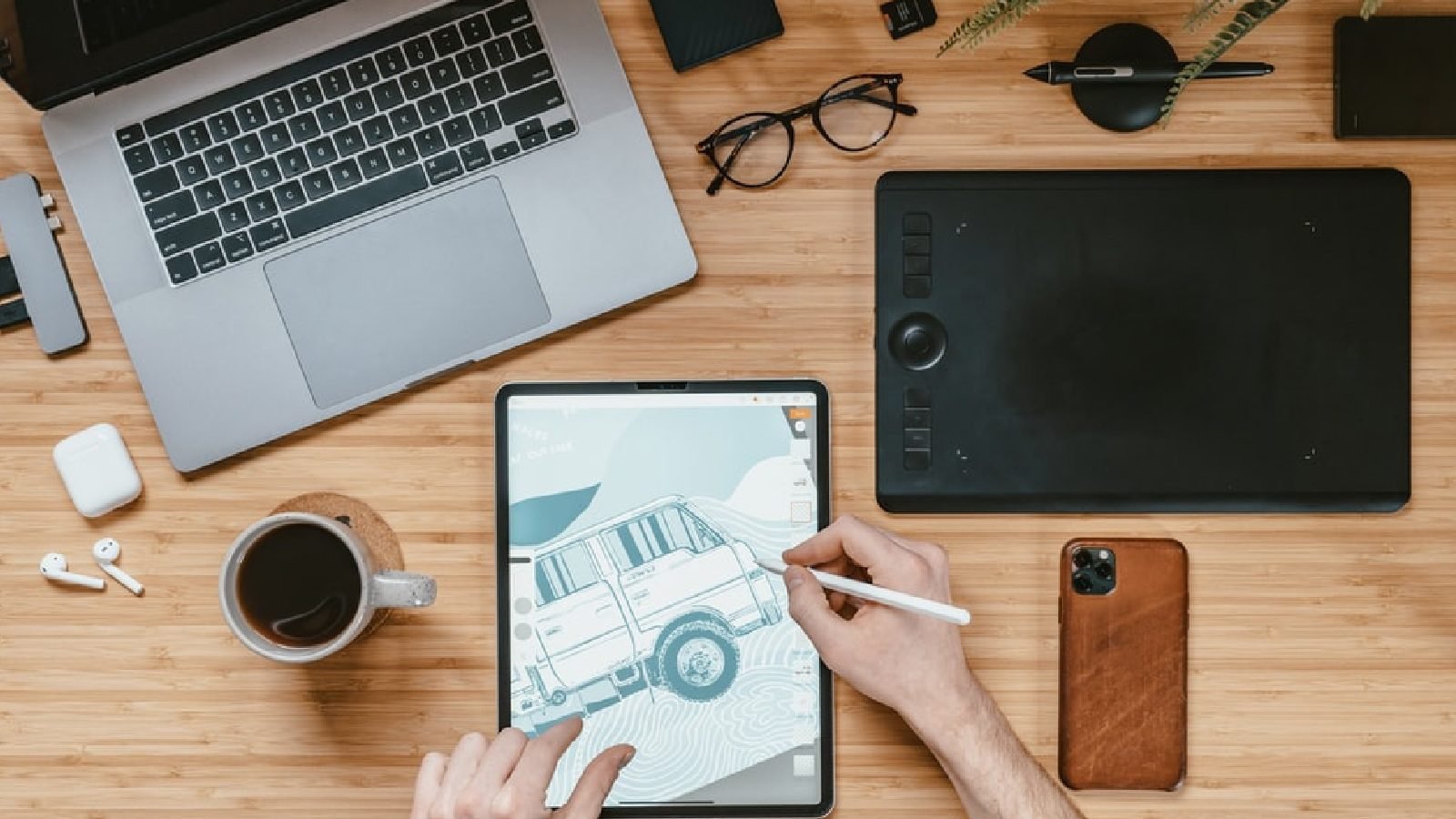
Even though OLED handles motion, vivid colours, and quick response times better, plenty of dedicated readers still prefer e-paper for its paper-like feel. These screens are not really rivals; they fit separate roles instead: one built for long stretches with text, the other tuned for apps and rich media. What matters most depends on how you actually use it.
Power that lasts through the day.
Picking an e-reader brings up the same pair of real-world concerns every time: just how long it takes to charge, and what kind of grip and balance it offers. Companies tend to quote generous estimates; these figures assume minimal activity, such as 30 minutes daily with Wi-Fi disabled.
Day-to-day drain shifts with habits, especially if notes are added constantly or updates are checked live. Yet today’s specialized devices often shine when used mainly for books: even regular users find they charge less than once a month, which quietly changes how freely one reads.
One thing is clear: e-reading will not settle on just one path. Folks who spend long stretches reading outside often lean toward e-paper; it is easy on the eyes and uses almost no power. That page-like feel? Still hard to beat. Now, colour e-paper can handle cartoons, school books with drawings, children’s stories, and works without glare, even in sunlight. Bendable models are appearing, too, mimicking how real books move in your hands. Meanwhile, glowing screens such as OLED keep getting better at handling fast apps, videos, and anything that moves. They shine when responsiveness matters most.