

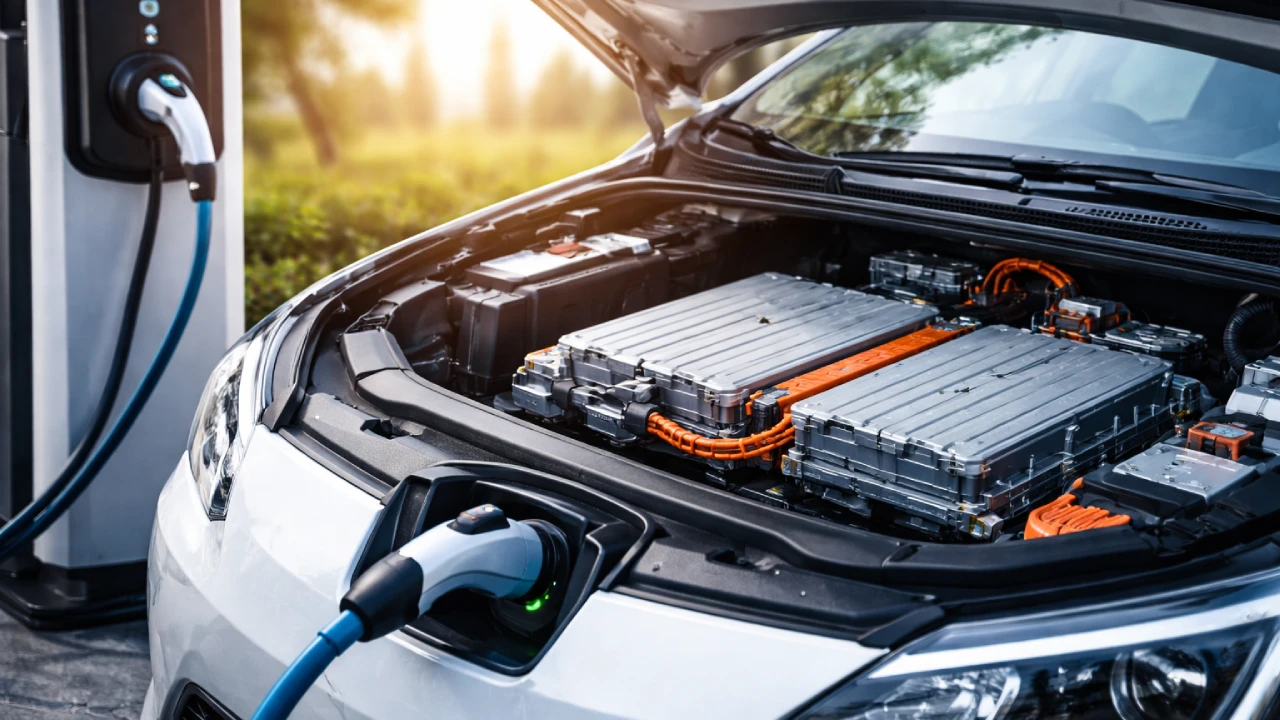
In an electric vehicle, the ev battery health is the most expensive and essential component. It affects daily driving range, long-term ownership costs, resale value, and reliability. Modern lithium-ion batteries are designed to last many years and often outlast traditional internal combustion engines. However, battery health is not static. Charging habits, exposure to extreme temperatures, driving styles, and maintenance choices all affect how quickly a battery wears out. Understanding these factors helps EV owners slow down degradation and keep their vehicles performing well for a longer time.
How EV Batteries Age and Degrade
Battery degradation occurs gradually as a chemical process. Every time a battery charges and discharges, small structural changes happen inside the cells, slightly lowering their capacity. Over time, this results in reduced driving range and slower charging speeds. Degradation depends less on just mileage and more on how the battery is used. High voltage stress, deep discharges, constant full charges, and excessive heat speed up aging. Importantly, degradation is generally linear and predictable, meaning good habits can effectively reduce long-term capacity loss.

Optimal Charging Habits for Daily Use
One effective way to maintain EV battery health is to keep a moderate state of charge. For everyday driving, keeping the battery between 20% and 80% minimizes chemical stress on the cells. Charging to 100% is safe for long trips, but doing so daily leads to more wear over time. Similarly, frequently letting the battery run down to very low levels is best avoided. Many EVs allow users to set charge limits, making it easier to stay within this optimal range without constant checks.
The Role of Fast Charging in Battery Longevity
DC fast charging is a great convenience for EV owners. It allows for quick top-ups on highways and during long trips. However, it generates more heat and electrical stress than slower AC charging. Relying on fast charging regularly can slightly speed up battery degradation, especially in hot climates. For daily use, charging at home or work with lower power levels is gentler on the battery. Fast charging should be used as an occasional option rather than a daily routine to protect long-term battery health.
Temperature: The Silent Battery Killer
Temperature is critical for battery lifespan. High heat speeds up chemical reactions inside battery cells and can cause permanent capacity loss. Prolonged exposure to temperatures above normal ranges, like parking in direct sunlight during summer, worsens this effect. Cold temperatures cause temporary reductions in range and charging efficiency, but are less damaging long-term. Whenever possible, parking in shaded, covered, or climate-controlled areas helps protect the battery from temperature extremes.

Battery Thermal Management and Preconditioning
Most modern EVs have active thermal management systems to control battery temperature during driving and charging. These systems work best with smart usage habits. Preconditioning the battery—heating or cooling it before charging—improves efficiency and reduces stress, especially during fast charging. Many vehicles automatically precondition the battery when routing to a fast charger or when scheduled charging is set. Using these features helps ensure the battery operates at an optimal temperature.
Driving Style and Its Impact on Battery Health
While EVs are known for their instant torque and quick acceleration, aggressive driving can negatively impact battery longevity. Rapid acceleration, sustained high speeds, and heavy loads increase power demand and heat. Over time, this extra thermal stress can lead to faster degradation. Smooth acceleration, steady speeds, and anticipatory driving not only improve efficiency but also lessen the battery’s overall workload. Effective use of regenerative braking further aids by recovering energy and reducing unnecessary discharge cycles.
Software Updates and Battery Management Systems
The battery management system (BMS) is the control center for an EV’s battery pack. It regulates charging rates, balances cell voltages, checks temperature, and prevents unsafe conditions. Manufacturers continuously improve these systems through software updates. Keeping vehicle software up to date ensures better access to charging algorithms, improved thermal control, and more accurate range estimates. Over a vehicle’s lifespan, these updates can help maintain battery health.
Storage Best Practices for Infrequent Use
When an EV is not driven regularly, proper storage is essential. Storing the vehicle at a mid-range state of charge, around 40% to 60%, is ideal to minimize chemical stress. Keeping the battery fully charged or nearly empty for long periods accelerates degradation. Temperature-controlled storage reduces aging, especially in regions with extreme seasonal temperatures. Even when in storage, periodic checks help ensure the battery stays within a healthy range.
Routine Maintenance That Supports Battery Health
Although EVs require less maintenance than combustion vehicles, the overall vehicle condition still affects battery efficiency. Keeping the correct tire pressure reduces energy consumption, and a well-functioning cooling system assists with heat management. Cabin air filters, cooling fluids, and system diagnostics all play indirect roles in maintaining efficient battery operation. Regular servicing according to manufacturer guidelines supports both performance and longevity.
Monitoring Battery Health Over Time
Most EVs offer tools to monitor battery performance, including estimated range, energy consumption, and charging behavior. Gradual range reduction is normal, but sudden drops may indicate problems that need professional inspection. Third-party diagnostic tools and manufacturer apps can provide deeper insights into battery health metrics. Being aware allows owners to adjust their habits early, preventing small issues from becoming serious problems.

Balancing Convenience With Long-Term Care
Maximizing EV battery lifespan does not require extreme caution or sacrifices to daily convenience. Occasional full charges, fast charging during trips, and spirited driving are part of normal ownership. The key is consistency over perfection. Moderate, informed habits provide most long-term benefits without disrupting daily use.
Long-Term Benefits of Good Battery Practices
By following good practices for charging, temperature management, and maintenance, EV owners can greatly slow battery degradation. This preserves driving range, maintains charging performance, and protects resale value. As battery technology advances, good ownership habits will remain crucial alongside engineering improvements. Thoughtful battery care ensures that an electric vehicle remains efficient, reliable, and enjoyable throughout its life.