





Table of Contents
Highlights
- Foldable OLED tablets introduce flexible screens that expand into larger workspaces, improving multitasking, productivity, and immersive media experiences compared to traditional tablets.
- They offer strong advantages for professionals and creatives, combining portability with near-laptop-sized displays, though challenges remain around durability, software optimization, and device weight.
- High costs and early-stage limitations mean foldable tablets will coexist with iPads and Android tablets, rather than replace them, while shaping the future direction of tablet design.
The tablet market has always been positioned between smartphones and laptops, providing portability without compromising screen size. Over time, traditional tablets like Apple’s iPad and various Android models have improved this balance with thinner designs, faster processors, and better accessories, such as keyboards and styluses. However, a new category is emerging that could change the way we think about tablets: foldable OLED tablets. By integrating flexible OLED display technology with new designs, these devices promise to enhance multitasking, productivity, and portability. The main question is whether foldable OLED tablets will become the future of mainstream tablets or remain a niche option.

The Rise of Foldable Display Technology
Foldable displays are now a reality. Developments in flexible OLED panels, ultra-thin glass, and hinge design have already allowed foldable smartphones to reach the consumer market. Building on this, manufacturers are now testing larger foldable screens for tablet-sized devices.
OLED technology is key to this change. Unlike LCD panels, OLED displays don’t need a rigid backlight, which lets them flex without losing image quality. This means tablets can fold in half or expand from a compact size to a large, engaging workspace. The result is a device that works as a portable tablet when folded and offers a nearly laptop-sized screen when opened.
How Foldable Tablets Change Multitasking
One of the biggest benefits of foldable OLED tablets is their effect on multitasking. Traditional tablets have fixed screen sizes, forcing users to choose between portability and productivity. Foldable tablets aim to eliminate this issue by providing adaptable screen space.
When expanded, these devices have a much larger display area, making split-screen multitasking easier. Users can easily run multiple apps side by side, like editing documents while looking at web pages or joining video calls while taking notes. The larger screen also improves drag-and-drop workflows, bringing tablet productivity closer to what laptops offer.
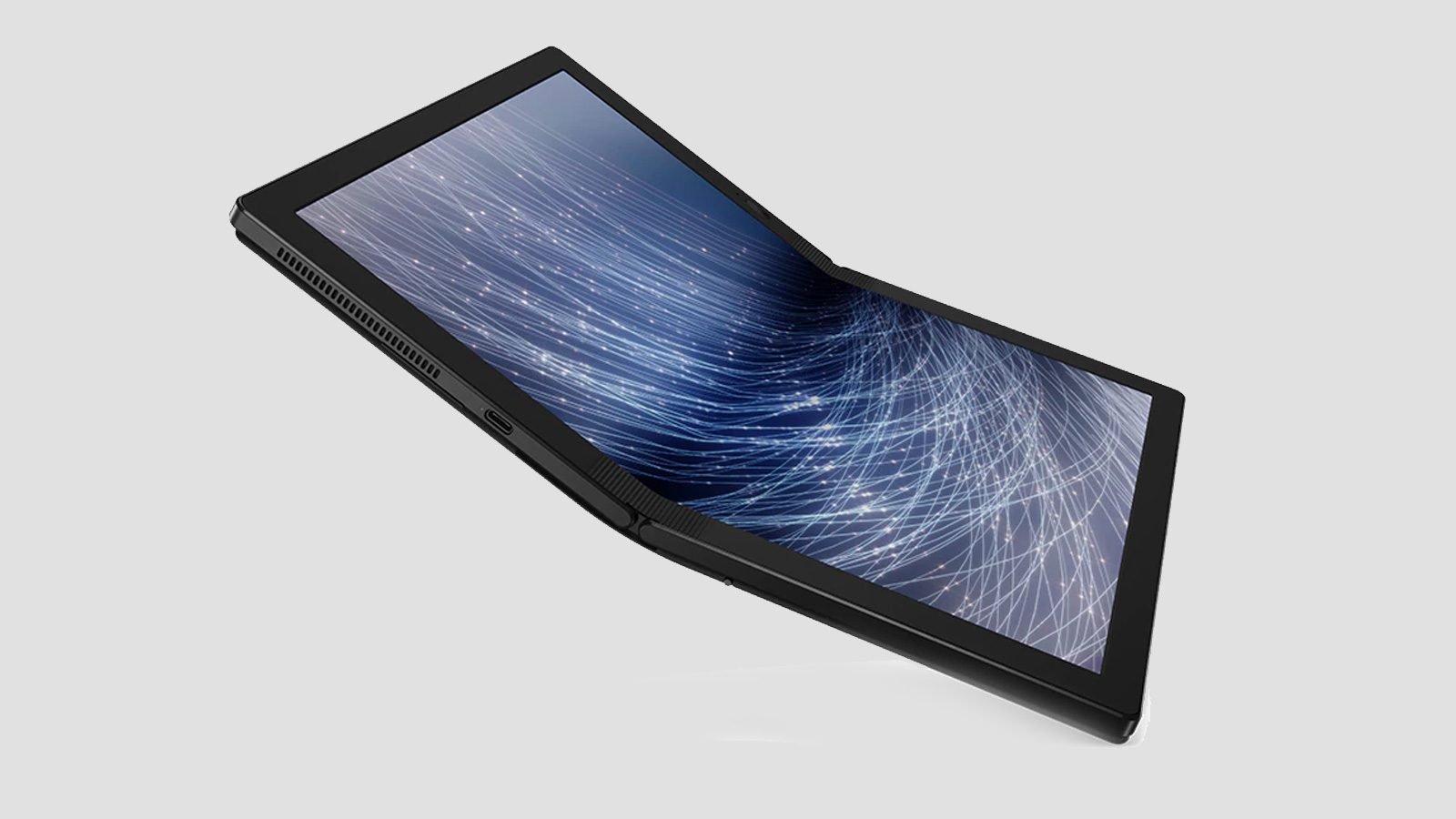
When folded, the same device becomes more convenient for casual use. Reading, browsing, or watching content on a smaller device reduces strain and increases comfort. This ability to switch modes allows foldable tablets to adapt to various situations throughout the day, something traditional tablets find difficult.
Productivity and Creative Workflows
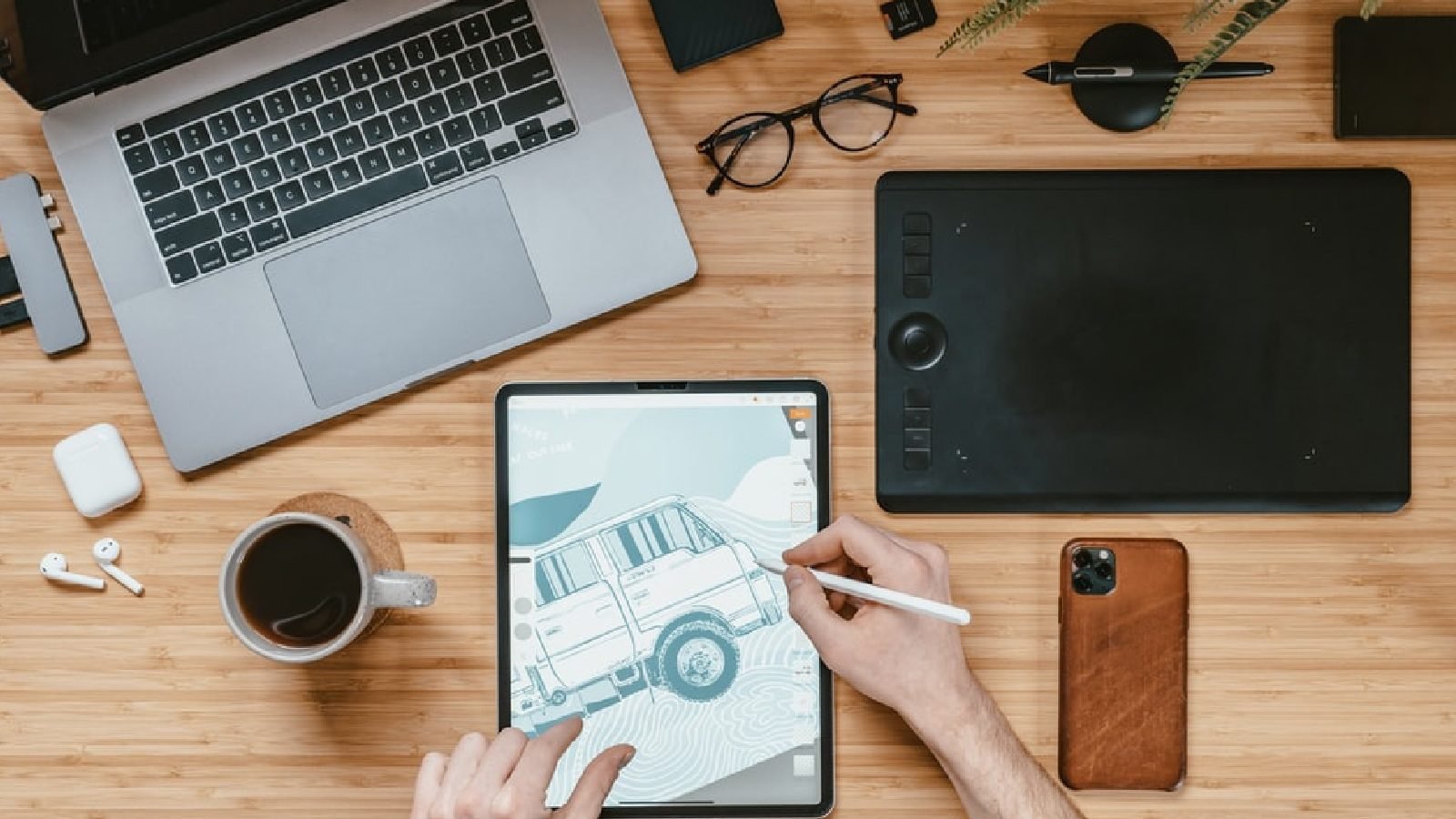
Foldable OLED tablets have important implications for creative professionals and heavy users. Artists, designers, and note-takers often depend on large displays for precision. A foldable tablet can provide a near-canvas-sized area when fully open, making it ideal for drawing, editing photos, or annotating documents with a stylus.
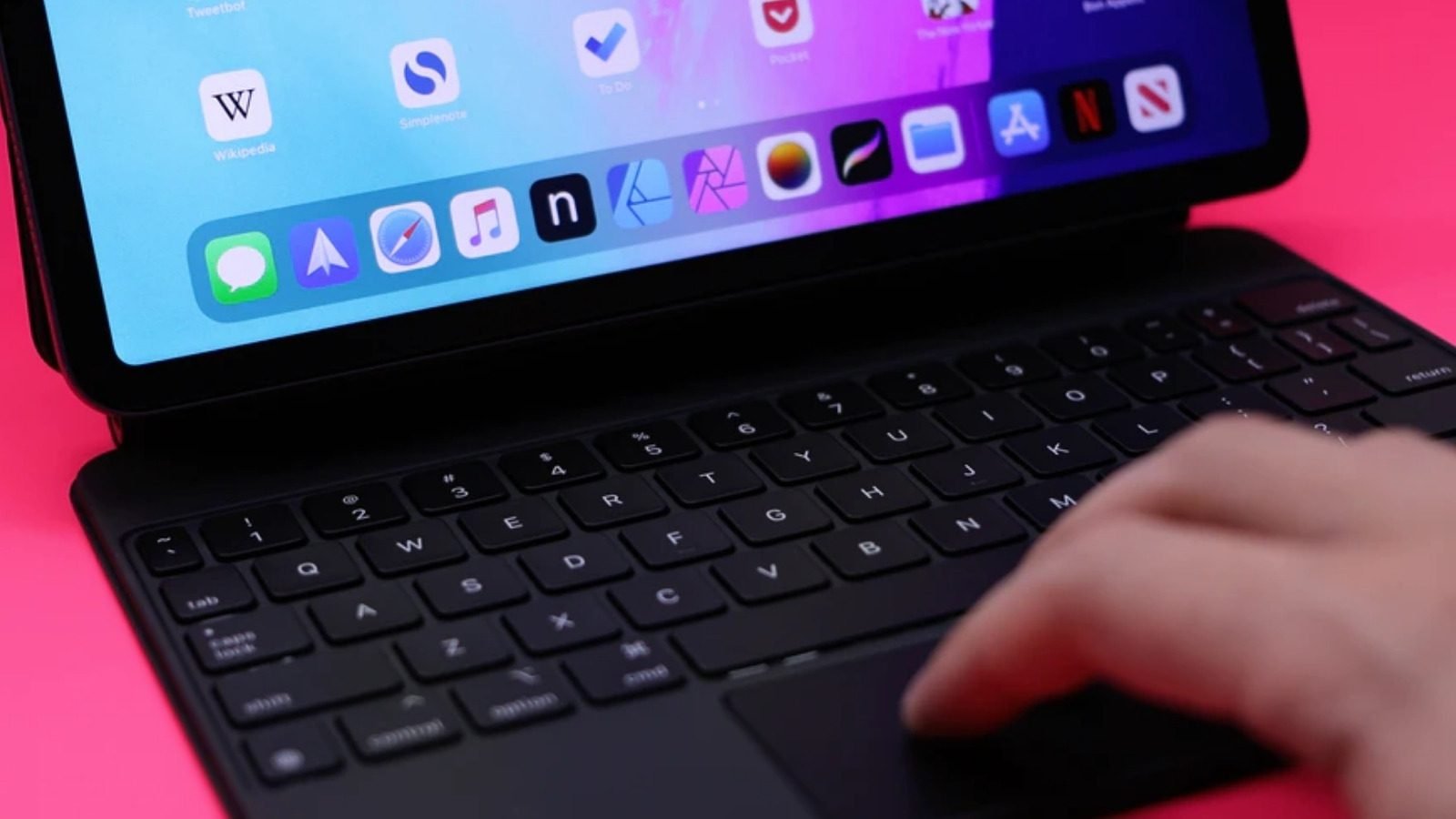
At the same time, folding the device lets creators quickly switch to a more compact or focused mode. This flexibility could be especially valuable for people who frequently move between meetings, studios, and travel. With the right keyboard accessories and stylus support, foldable tablets could compete with lightweight laptops for various creative and productivity tasks.
Design, Portability, and Everyday Use
Portability has always been a strong selling point for tablets, and foldable OLED designs push this further by minimizing size without reducing screen usability. A foldable tablet can fit into smaller bags or even large pockets when closed, making it easier to carry than a traditional tablet with the same screen size.

However, this design comes with trade-offs. Foldable tablets tend to be thicker and heavier than standard tablets because of the hinge mechanisms and reinforced layers needed to protect the display. Although engineering improvements continue to reduce bulk, current foldable models still require sacrifices in weight and balance.
Durability is another concern. Although modern foldable screens are much sturdier than earlier prototypes, long-term wear on hinges and flexible displays is still an issue for consumers used to solid glass tablets. Manufacturers must ensure that foldable tablets can endure years of daily folding without a decline in performance or picture quality.
Software and Operating System Challenges
Hardware innovations alone won’t redefine the tablet experience. The success of foldable OLED tablets relies heavily on software optimization. Operating systems must adapt seamlessly to changing screen sizes and shapes as devices fold and unfold.
Android has made progress in this area, adding features that let apps resize and rearrange themselves. This adaptability makes Android a good match for foldable tablets, enabling developers to create experiences that take advantage of larger displays. Multitasking tools, floating windows, and advanced split-screen modes become more effective when combined with foldable hardware.
In contrast, more controlled ecosystems like iPadOS focus on stability and consistency. While this ensures a smooth experience, it may require substantial changes to fully support foldable designs. Without deep software integration, foldable tablets might feel like oversized foldable phones instead of purpose-built productivity devices.
OLED Advantages for Media Consumption
Beyond productivity, foldable OLED tablets shine in media consumption. OLED displays provide deep blacks, high contrast, and vibrant colors, making them ideal for watching movies, streaming, and gaming. When expanded, a foldable tablet offers an immersive viewing experience similar to a small TV, while folding makes it suitable for more casual, handheld use.
For gaming, the larger screen boosts engagement and clarity, especially for strategy and role-playing games. With high refresh rates and strong processors, foldable tablets could become attractive for mobile gaming fans looking for a more expansive experience.
Cost and Market Accessibility
One major barrier to the widespread adoption of foldable OLED tablets is cost. Flexible OLED panels and precise hinge designs are costly to produce, driving prices much higher than those of standard tablets. Therefore, early foldable tablets are likely aimed at premium users rather than the general public.
Over time, economies of scale and better manufacturing processes might lower prices, but this transition could take several product cycles. Until then, traditional tablets will remain more accessible for students, casual users, and budget-conscious consumers.
Will Foldable Tablets Replace Conventional Tablets?
Whether foldable OLED tablets will replace traditional tablets depends on how quickly they can address current limitations. In the short to medium term, they are more likely to exist alongside conventional tablets than to completely replace them. Traditional tablets still offer advantages in simplicity, durability, and cost, making them well-suited for a broad range of users.
Foldable tablets, on the other hand, appeal to those who value versatility and are willing to pay more for innovative designs. They are especially attractive to professionals, creatives, and early adopters seeking a device that suits multiple uses.
Looking Ahead: The Future of Tablets
As foldable OLED technology evolves, its impact on tablet design is likely to increase. Future models may become thinner, lighter, and more durable, tackling many concerns linked to earlier versions. Software ecosystems will also grow, enabling more powerful multitasking and productivity functions tailored to flexible screens.
In the long run, foldable OLED tablets could change what we expect from tablets, blurring the lines between tablets, laptops, and even smartphones. While they may not immediately replace iPads and traditional Android tablets, they mark an important step towards a more adaptable and dynamic computing future.
