





Table of Contents
Highlights
- Solid-state batteries promise higher energy density and safety but remain years from mass adoption.
- Sodium-ion batteries are already shipping, offering a cheaper and more sustainable option for short-range EVs and gadgets.
- Battery recycling is becoming critical to reduce mining dependence and stabilize supply chains.
- The future of EVs and electronics will rely on multiple battery types optimized for cost, performance, and sustainability.
As electric vehicles, smartphones, wearables, and grid storage grow quickly, the limitations of traditional lithium-ion batteries are becoming more apparent.
Lithium-ion technology has improved steadily over the past thirty years, but it still faces issues related to safety, raw material supply, cost fluctuations, and environmental impact. In response, researchers and manufacturers are looking into alternatives that offer better performance, lower costs, or improved sustainability.
Some of the leading options include solid-state batteries, sodium-ion chemistry, and large-scale battery recycling. These approaches aim not to replace lithium-ion immediately but to diversify and strengthen the future of energy storage.
Why Look Beyond Lithium-Ion?
Lithium-ion batteries are dominant in modern electronics and electric vehicles because they provide high energy density, long cycle life, and established manufacturing processes. However, they come with drawbacks.
Safety is a concern since liquid electrolytes can catch fire and cause thermal runaway. The global supply chain relies heavily on lithium, cobalt, and nickel -materials that are geographically concentrated and often linked to environmental and ethical issues.
As demand increases, price fluctuations and geopolitical risks are becoming harder to overlook. At the same time, expectations for batteries are rising. People want faster charging, longer life, lighter weight, and better sustainability. These pressures have pushed investment towards battery technologies that move beyond traditional lithium-ion designs.
Solid-State Batteries: The Long-Term Bet
Solid-state batteries are often seen as the most promising successor to lithium-ion. The main difference is in the electrolyte. Instead of a liquid or gel electrolyte, solid-state batteries use a solid material, usually ceramic, glass, or polymer, to transport ions between electrodes.
This design has several potential advantages. Solid electrolytes are non-flammable, which greatly improves safety. They also allow for the use of lithium metal anodes, potentially increasing energy density significantly. This could mean electric vehicles with longer ranges, smaller battery packs, and faster charging times.
However, solid-state batteries face significant engineering challenges. Creating solid electrolytes that conduct ions well at room temperature is tough. Maintaining stable contact between solid layers over thousands of charge cycles is also a major obstacle. Manufacturing these batteries is complex and expensive, requiring new methods that are not compatible with current lithium-ion factories.
Despite these challenges, progress is being made. Automakers and battery producers see solid-state as a key technology for the next decade. The first versions are expected to appear in premium EVs or specialized applications where cost is less of an issue. For consumer gadgets, solid-state batteries might arrive sooner in smaller products, offering better safety and longer life instead of dramatic capacity boosts.
Sodium-Ion Batteries: The Cost-Focused and Sustainable Alternative
While solid-state batteries aim for high performance, sodium-ion batteries focus on affordability and supply chain resilience. Sodium is abundant, widely available, and much cheaper than lithium. This makes sodium-ion technology appealing for large-scale energy storage and budget-sensitive markets.
Strengths of Sodium-Ion Batteries
Moreover, sodium-ion batteries can often be produced using modified versions of existing lithium-ion production lines, which lowers the capital investment. Several companies have already started shipping sodium-ion batteries for grid storage, electric scooters, and entry-level EVs, especially in markets where affordability and durability are prioritized over maximum range.
However, they perform well in other areas, such as temperature stability and cycle life.
Limitations
Sodium-ion batteries work similarly to lithium-ion batteries, but sodium ions are larger and heavier. This generally results in lower energy density, making them less suitable for long-range electric vehicles or ultra-thin smartphones.
For gadgets, sodium-ion batteries likely won’t replace lithium-ion in high-end devices, but they could become standard in power banks, budget phones, and IoT devices. In EVs, they may serve a complementary role, powering short-range vehicles or acting as secondary battery packs in hybrid designs.
Battery Recycling: Closing the Loop
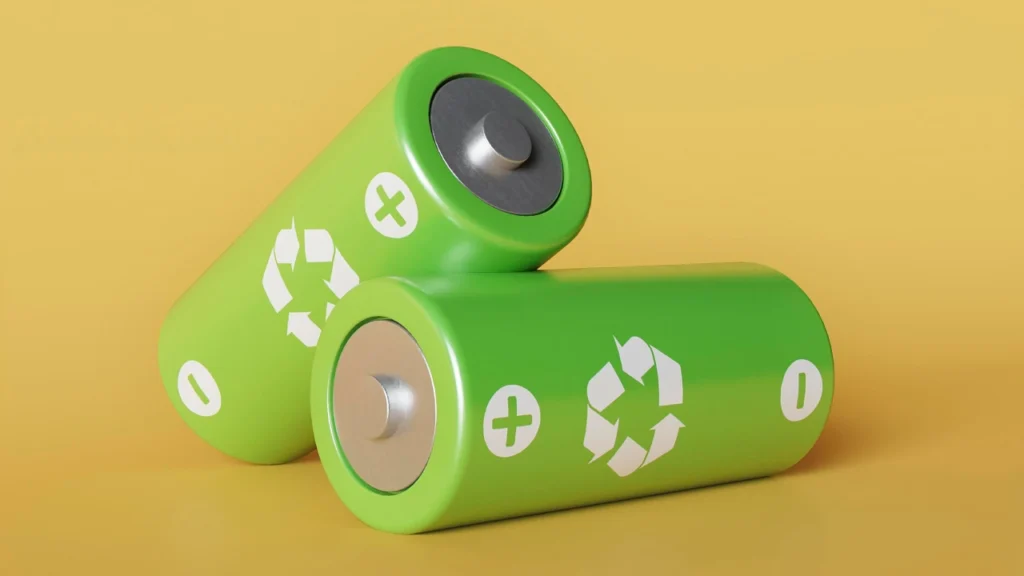
Besides new chemistries, battery recycling is becoming a key part of the future energy ecosystem.
As millions of EV batteries and consumer devices reach the end of their life, recycling provides a way to recover valuable materials and cut down on environmental damage and reliance on raw mining.
Why Recycling Matters
Modern recycling methods can efficiently extract lithium, nickel, cobalt, copper, and other materials. Advances in hydrometallurgical and direct recycling processes are increasing yields while reducing energy use. Unlike mining, recycling can be done locally, which lowers transportation emissions and geopolitical risks.
Battery recycling also supports sustainability by enabling a circular economy where materials from old batteries are reused in new ones. This is crucial for EVs, as battery packs make up a big part of a vehicle’s carbon footprint.
For manufacturers, using recycled materials offers long-term cost stability. As regulations tighten and producer responsibility laws expand, recycling is shifting from being a green option to a commercial necessity. Over time, recycling will likely become a standard part of battery supply chains rather than an afterthought.
What’s Shipping Today vs. What’s Still Experimental
In the short term, lithium-ion batteries will continue to be dominant in EVs and consumer electronics. Gradual improvements, such as silicon-enhanced anodes, better thermal management, and smarter software, keep pushing performance.
Sodium-ion batteries are already being shipped in limited quantities, especially for stationary storage and low-cost mobility. Their use is expected to grow steadily over the next few years, particularly in regions focusing on energy independence and affordability.
In contrast, solid-state batteries are still largely in the prototype and pilot production stage. While lab results look promising, widespread availability is still a few years away. The first commercial products will likely be found in niche or high-end markets before broader adoption occurs.
Recycling, on the other hand, is expanding quickly. While it doesn’t change how batteries perform, it fundamentally alters how they are sourced and disposed of, making it one of the most impactful developments in the battery sector.
Trade-Offs for EVs and Consumer Gadgets
Every battery pathway offers trade-offs. Solid-state batteries promise better safety and energy density but come with high costs and complicated manufacturing. Sodium-ion batteries sacrifice energy density for affordability and sustainability. Recycling strengthens supply chains but relies on effective collection systems and supportive regulations.
For electric vehicles, the future will likely include multiple battery types optimized for different use cases. Long-range EVs might use solid-state technology, while urban and commercial vehicles could rely on sodium-ion or recycled lithium-ion packs. For gadgets, lithium-ion will remain, but safer solid-state designs may become appealing as devices grow thinner and demand more power.
Conclusion: A Diversified Battery Future
The future of batteries will not hinge on a single breakthrough but rather on a mix of solutions. Solid-state technology signals higher performance and safety, sodium-ion provides affordability and resilience, and recycling promotes sustainability on a larger scale. Together, these methods mark a shift from one-size-fits-all energy storage toward a more varied and resilient battery ecosystem.
As EVs and gadgets continue to influence daily life, batteries beyond lithium-ion will take on an increasingly vital role—not as overnight replacements but as complementary technologies that satisfy different needs in a rapidly electrifying world.
