

Highlights
- Gaming phone cameras offer excellent daylight results, speed, and ease for social media creators.
- Entry-level mirrorless cameras deliver better low-light performance, real depth, and editing flexibility.
- Budget creators should choose based on shooting habits, portability needs, and long-term quality goals.
In recent years, there have been major developments in camera technology used in smartphones. One example is that gaming smartphones today have large-sized sensors and include optical image stabilisation and substantial processing capabilities. Brands promise DSLR-like results right from your pocket.
Many beginners looking to buy their first mirrorless camera system can find models at an affordable price point. Companies like Sony, Canon, Nikon, and Fujifilm all offer these types of products. As a budget-conscious creator, which camera will actually serve you best as a photographer in the real world?
This article compares gaming phone cameras and entry-level mirrorless cameras based on real-world photo use. No lab charts. No marketing talk. Just quality, ease, and money.
What Counts as a “Gaming Phone” Camera Today
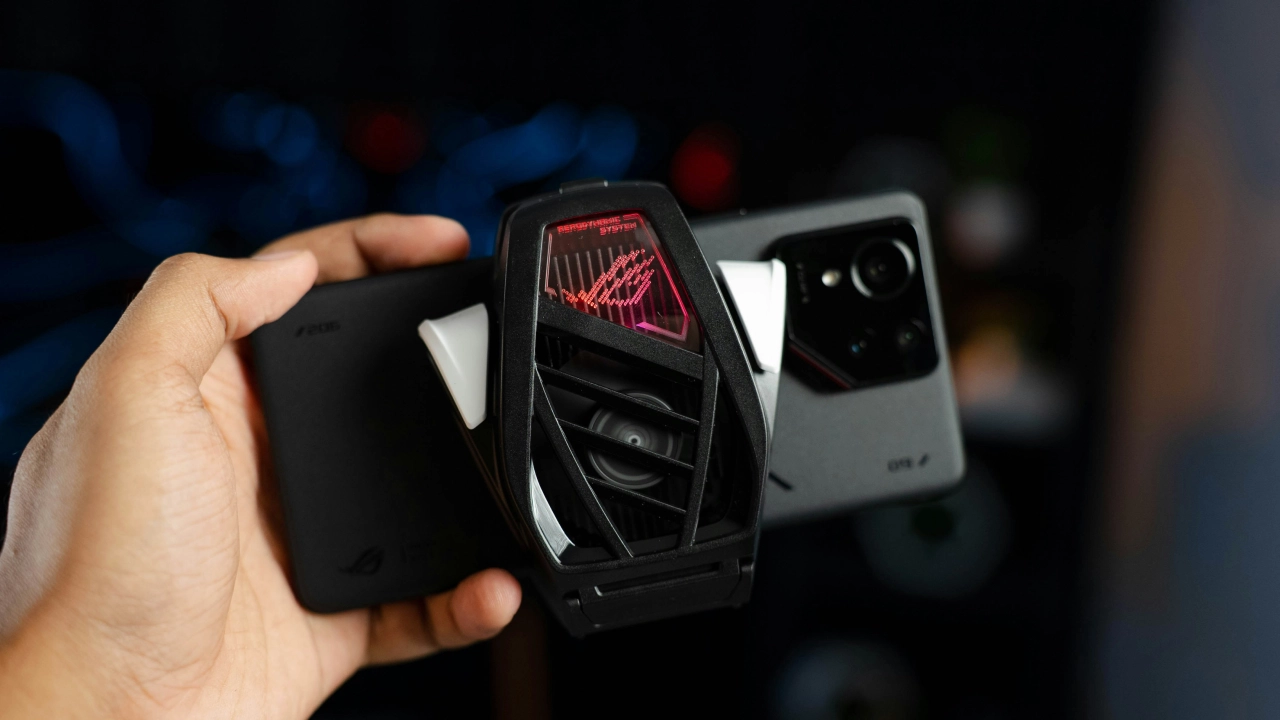
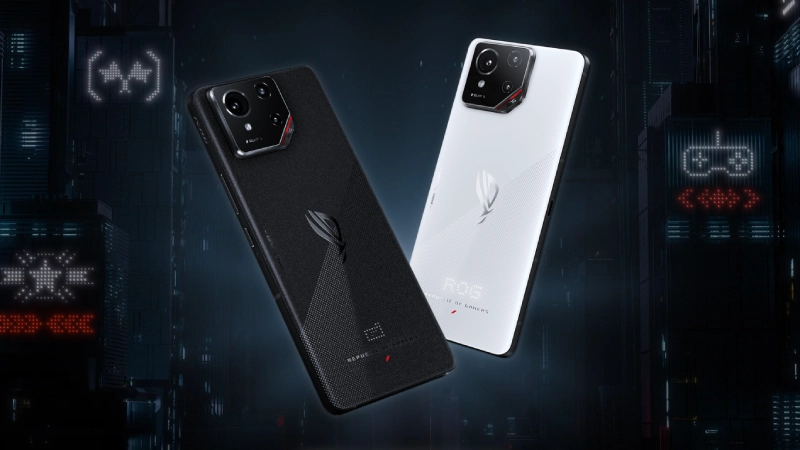
Gaming phones are not just about processors and cooling fans anymore. Most of them now focus heavily on camera hardware too. Phones like ASUS ROG Phone, iQOO, RedMagic, and gaming-focused Samsung and Xiaomi models use: Large main sensors, Wide apertures, Optical image stabilization, AI scene detection, and Strong HDR and night modes
On paper, these cameras look very close to compact cameras from a few years ago. For creators, the biggest promise is simple: one device for gaming, photos, videos, and social media.
What Is an Entry-Level Mirrorless Camera
Entry-level mirrorless cameras usually sit in the beginner price range. They are made for people who want better quality than phones but don’t want pro gear.
Here are a few of the most common cameras that are an alternative to a smartphone:
- Sony a6000 / a6100 series
- Canon EOS R50 / M50
- Nikon Z30 / Z50
- Fujifilm X-T200
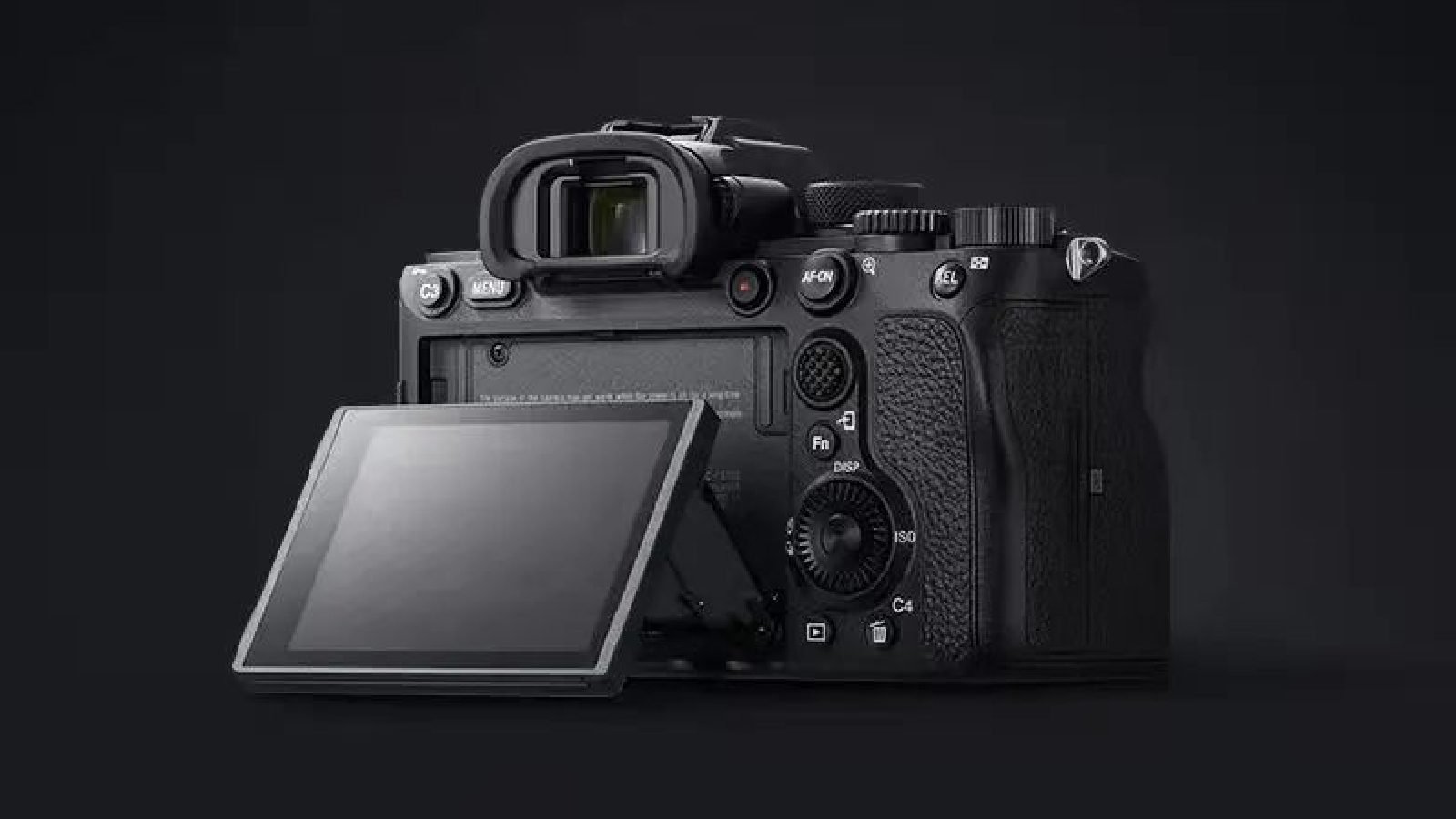
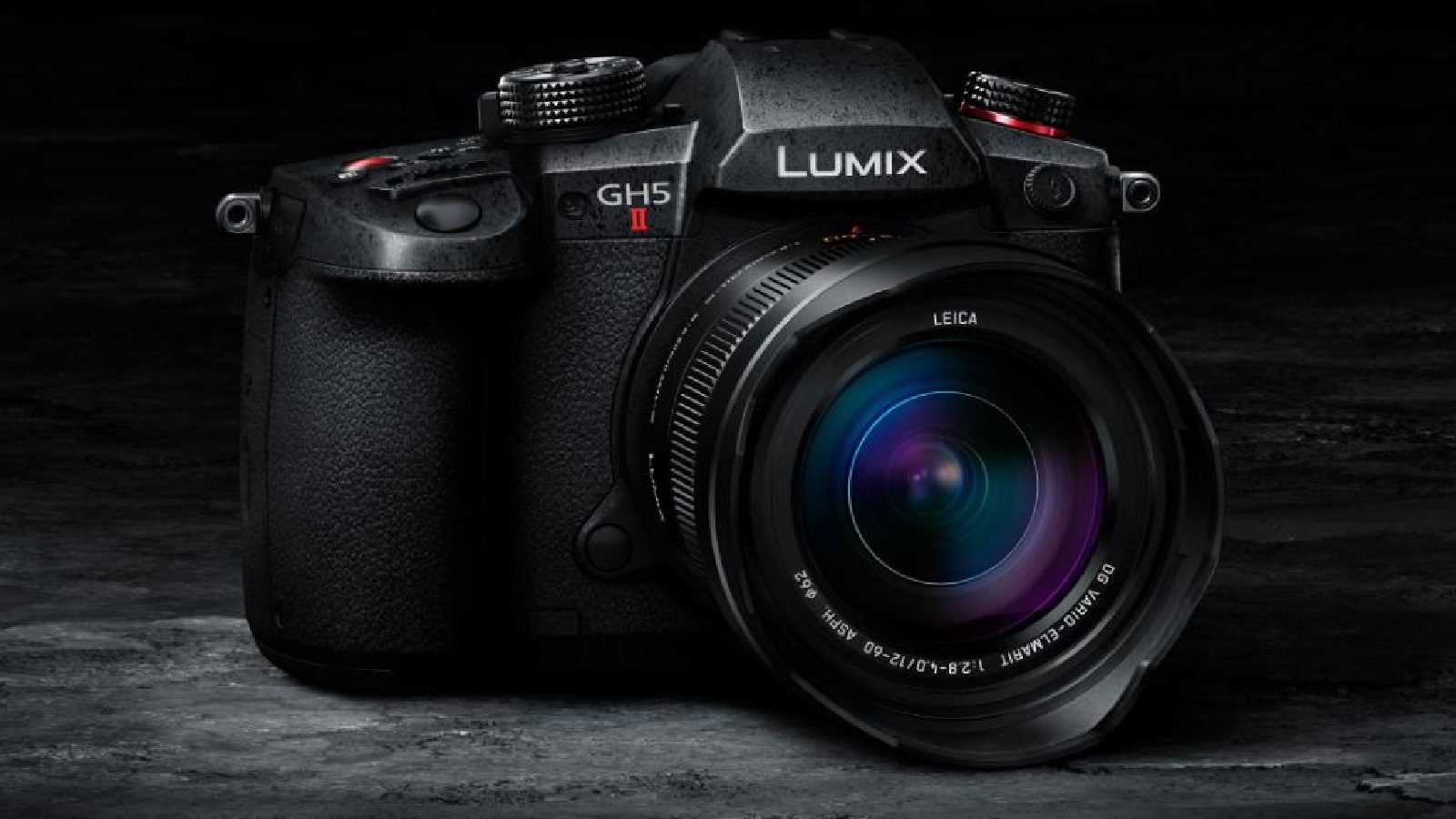
These cameras have larger sensors than smartphones and can use lenses that the user selects. In addition, they offer many manual controls and can produce better-quality raw image files than a smartphone.
Real-World Photo Test: How We Compare
Instead of studio tests, think about normal creator use.
Photos were judged on:
- Daylight outdoor shots
- Indoor low-light photos
- Portrait shots
- Moving subjects
- Editing flexibility
- Ease of shooting
This is how most creators actually shoot for blogs, Instagram, YouTube thumbnails, and websites.
Daylight Photography: Phones Are Shockingly Good
In bright daylight, gaming phones perform very well. Photos are sharp, colorful, and ready to post. HDR works instantly. Skies look blue. Shadows are lifted. For social media, phone photos often look better at first glance because processing is aggressive. The image looks “finished” without editing.
Mirrorless cameras also perform great in daylight, but their photos look flatter straight out of the camera. They are meant to be edited later. For quick posts, phones win. For detailed work, mirrorless cameras still hold more real detail.
Low-Light Photography: Mirrorless Pulls Ahead
Low light is where the difference becomes clear. Gaming phones use night modes and stacking to brighten scenes. This works well for static shots like buildings or food.
But details often look soft. Faces can look smooth. Moving objects get blurry. Mirrorless cameras, even cheap ones, handle low light better. Bigger sensors capture more light naturally.
Photos have cleaner shadows and better texture. You don’t have to rely on software tricks as much. If you shoot indoor events, cafes, or night street photos, mirrorless cameras clearly win.
Portrait Photography: Software vs Real Depth
Phone portrait mode has improved a lot. Edge detection is decent. Skin tones are adjusted automatically. Background blur looks fine on small screens. But zoom in, and problems appear. Hair edges look fake. Blur sometimes cuts into the ears or shoulders. Mirrorless cameras use real lens blur. Depth looks natural because it is real, not software-made. For creators who care about professional-looking portraits, mirrorless cameras still feel more honest.
Motion and Action Shots
This part matters for gaming creators, vloggers, and travel bloggers. Gaming phones rely heavily on fast shutter tricks and AI. They freeze motion well in good light.
In low light, motion shots struggle. Blur and noise appear quickly. Mirrorless cameras have physical advantages. Faster shutter speeds. Better continuous autofocus. For sports, pets, kids, or street photography, mirrorless cameras are more reliable.
Editing and File Flexibility
Phones mostly shoot JPEG or HEIC files. Some offer RAW, but processing is still baked in. Editing phone photos has limits. Pushing shadows or fixing highlights often breaks the image. Mirrorless cameras shoot proper RAW files. You can recover details, adjust colors, and crop without ruining quality. For creators who want full control, mirrorless cameras offer much more room to work.
Ease of Use: Phones Win Easily
There is no contest here. Phones are always with you. You open the camera and shoot. No lens changes. No settings confusion. No bag required. Mirrorless cameras need setup. You need to think about ISO, shutter speed, lenses, and batteries. For beginners, this learning curve feels heavy at first. If ease and speed matter most, phones are clearly better.
Cost Comparison: What Budget Really Means
At first, gaming phones look expensive. But they replace multiple devices. A good gaming phone costs roughly the same as a basic mirrorless camera body.
But mirrorless cameras need more money, an extra lens, memory cards, a Camera bag, and Spare batteries. The real cost goes up fast. For creators with tight budgets, phones feel safer because there are no hidden costs.
Portability and Daily Use
Phones live in your pocket. You shoot anytime, anywhere. Mirrorless cameras need planning. You carry them only when you expect to shoot. Many creators stop using cameras simply because they are inconvenient. If you value daily shooting and consistency, phones make content creation easier.
Social Media vs Website Use
For Instagram, X, Facebook, and Shorts, phone photos are more than enough. They are optimized for screens. They upload fast. They look bright and eye-catching.
For websites, blogs, and long-term content, mirrorless photos age better. They stay sharp even after compression. If your work life is mostly online and fast, phones are fine if you care about image quality years later, but mirrorless matters.
Reliability Over Time
Phones depend on software updates. Camera quality can change with updates. Mirrorless cameras stay consistent. The sensor and lens stay the same for years. Professional creators trust cameras more because results don’t suddenly change.
Who Should Choose a Gaming Phone Camera
A gaming phone camera makes sense if:
- You create content mainly for social media
- You want speed and simplicity
- You don’t want to learn camera basics
- You need one device for everything
- You work alone and move a lot
For budget creators starting out, phones remove many barriers.
Who Should Choose a Mirrorless Camera
An entry-level mirrorless camera is better if:
- You care about image quality deeply
- You edit photos seriously
- You shoot in low light often
- You want professional-looking portraits
- You plan to grow as a photographer
It demands effort, but the results show it.
Final Thoughts
Many photographers who photograph or create with picture-taking devices were not expecting this level of quality to exist five years ago on phones designed for gaming. For everyday creators, they are powerful, easy, and practical. Mirrorless cameras still offer better quality, depth, and control. They reward patience and learning. Regardless of the pricing set by different manufacturers and companies, each tool has its own advantages and disadvantages depending on how someone uses it to create. For the budget creator, focus on which tool you will actually use regularly.