




Table of Contents
Highlights
- Google Meet speech translation is now generally available for eligible Workspace users.
- The AI feature translates spoken language in near real time using voice-matched output.
- Current language support includes English to major European languages with privacy safeguards.
- Mobile rollout for Android and iOS Meet apps is planned in the coming months.
Google Meet has launched its speech translation feature to all eligible users while planning to expand its mobile service in the near future. The update from Google Workspace, which appeared on its official updates blog, shows that the feature will become available to more users while they plan to launch mobile support in the upcoming months.
Google has increased its investment in AI-based productivity solutions through this rollout, which enables global teams to use Meet as a multilingual work tool.
Speech Translation Now Generally Available in Google Meet
According to Google’s Workspace updates blog, speech translation in Google Meet has reached general availability, meaning it is no longer limited to early testing phases and is ready for broader deployment across supported accounts and organizations.
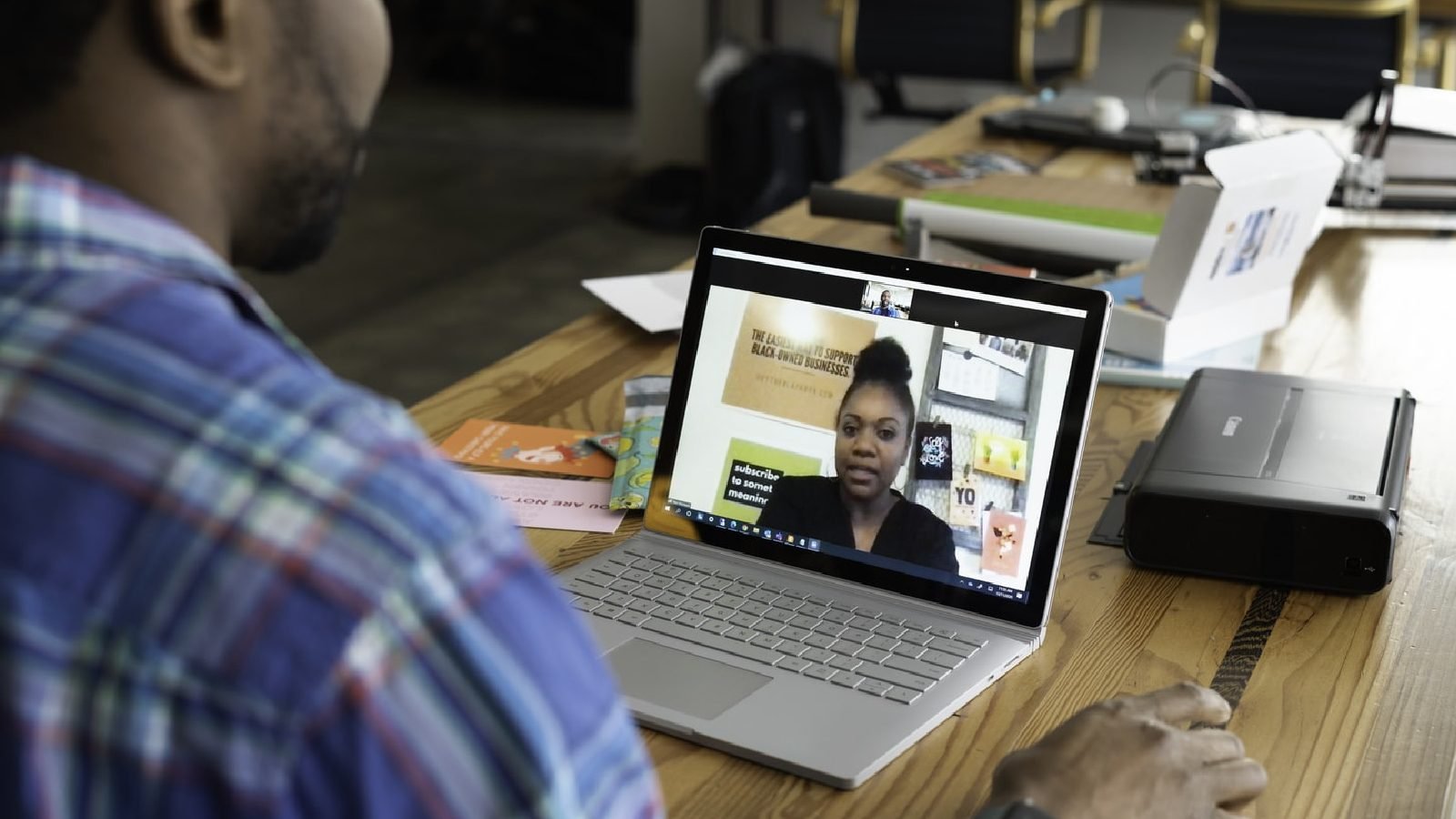
The feature uses AI to translate spoken words in near real time during meetings, which enables participants from different language backgrounds to understand each other better. The system enables users to speak in their native language while the system translates their speech into another language with a voice that sounds like their own, which eliminates the need for separate interpreters and keeps the conversation going.

Google Workspace environments will start with the feature active by default for all users, but organizations have the ability to disable or manage its usage. Google is providing teams with temporary access to expanded usage limits that they can use to test the feature, which will become restricted after the testing phase ends.
Supported Languages and Availability
Speech translation currently enables users to translate spoken English into multiple European languages, which include French, German, Italian, Portuguese, and Spanish. Google believes that its language resources and translation results will keep enhancing because its technology development will keep progressing.
The feature exists for specific Google Workspace tiers and Google AI subscription plans, which include Business Plus and Enterprise Plus, and designated AI-enabled subscription options. The system does not function for all meeting types, which include live streams and recorded sessions, because it needs extra time to translate in order to achieve better translation results.
Google has provided proof of its privacy commitments through two statements, which declare that the system does not keep audio recordings and that it does not use individual user voice data to train its models.
Mobile Expansion Planned for Android and iOS
Google has announced that mobile users will gain access to its desktop speech translation feature, which currently exists for eligible users. Android-focused news outlets report that Google will introduce speech translation for both Android and iOS Meet applications within the next few months, which will enable more users to use the tool.
Code analysis and initial tests show that mobile development work has started, because the Meet app updates show new translation options and designs that work on compact devices. The new feature will enable mobile users to attend multilingual meetings through their phones and tablets while still receiving real-time translation service.
The worldwide usage of Meet through mobile devices has increased because of this development. Remote workers, students, and distributed teams would gain from vocal translation on smartphones because it enables them to speak different languages without desktop computers.
How Google Meet Speech Translation Works
Google Meet uses AI-based speech recognition and translation technology to transform spoken language into another language with almost instantaneous results. The system receives audio from the active speaker and converts it into translated speech, which it presents to other meeting participants.
Google has developed this system through its AI development work, which created speech recognition and translation technologies that underlie live captioning and multilingual subtitle systems in Workspace applications. The products in Meet use these tools to help users who speak different languages communicate with each other.

The feature provides additional functionality to Meet, which already contains translated captions for multiple languages, by enabling users to hear spoken audio translations instead of reading text.
Why This Matters
Google has introduced its speech translation technology for public use because it wants artificial intelligence-based communication solutions to become essential parts of its productivity suite. The need for real-time translation systems has become essential because remote work and international collaboration have become standard work practices.
The implementation of speech translation in Meet shows Google wants to make its platform useful for international business teams and cross-border academic institutions and organizations that use multiple languages. The company intends to broaden the mobile device feature because it wants users to use the feature during real-world situations, which include remote meetings and mobile phone conversations.

What Comes Next
Google has not provided an exact timeline for the mobile rollout. Google has confirmed that speech translation will expand beyond desktop in the coming months. The feature development will bring further enhancements to translation accuracy, language support, and interface design.
The introduction of general availability represents an important development for Meet’s AI technology, which enables real-time multilingual communication in modern video conferencing systems.
