





Table of Contents
Highlights
- Google expands Results About You to remove explicit images and sensitive data.
- Users can now report multiple non-consensual images at once through Search.
- Removal hides content from Google results but not the original websites.
- Feature rollout begins in the U.S. with global expansion planned.
Google has introduced a new Google privacy tool that will enable users to eliminate inappropriate pictures or intimate information about themselves from appearing in search engine results.
In addition to being able to monitor the status of removal requests, users will also be able to get filtered results of future searches to remove similar content from their searches. In addition, Google will provide links to resources that will assist those who have experienced non-consensual content.
The enhancements will be rolled out gradually in the United States and will soon be available in most countries as well.
It should be noted that these tools will only remove results from appearing via Google Search and do not delete content from the internet. (Source: Google)
Google has made enhancements to the privacy tools in the Search platform to help users have more control over their personal information. The enhancements are designed to assist users with the removal of explicit/non-consensual images and other potentially sensitive data from appearing in search results. Overall, the enhancements are part of a larger effort to allow users to take more control over their digital footprint.
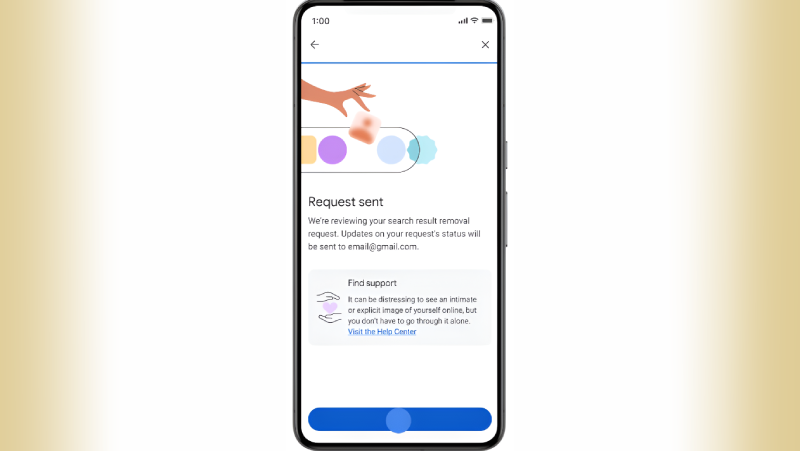
Upgraded Dashboard for “Results About You”:
Previously, Google had a service called “Results About You” on its Search Settings page that provided users with the tools to view and manage their online presence.
With the new enhancements, users now have the option to enter their government-issued identification numbers — driver’s licenses, passports, or Social Security numbers — to monitor.
When a user submits their identification number, Google will search through its search results for any matches of that individual’s name and notify the user if an instance has been found.
If the user finds any matches, they can submit removal requests directly through the tool.
These new additions support the existing removal features that allow users to remove personal information from search results, including phone numbers and addresses.
The Simplified Way To Remove Non-Consensual Explicit Photos:
One of the most significant changes in this upgrade — and one that has attracted considerable attention — is the simplified process for removing explicit images from Search.
When users discover an image that depicts them sexually in relation to their partners without the user’s consent, they can select the image using the three-dot menu located next to the photo.
Next, the user will be prompted to choose an option to indicate that the image portrays the individual in a sexual manner.
Affording them the ability to remove multiple images simultaneously, as opposed to needing to report each image separately as they used to, will allow them to report more than one instance of the same thing.
Consumers can request that this be done on their behalf. Continual filtering – a feature designed to reduce the number of times users will see similar explicit images from being displayed in future searches.
Google also provides a link to any emotional support and/or legal assistance resource within this feature, as well, in consideration of the sensitivity of both types of requests.

How the System Works:
With respect to the system’s operations, it tracks every search index and compares it to the data submitted by the user.
It is vitally important to remember:
Google does not eliminate the content from the website where it originated; it simply blocks it from appearing in Google’s index of search results.
All explicit image and/or non-consensual leaked personal data hosting websites will continue to remain on the internet and/or be removed independently of the sites’ users and/ or developers.
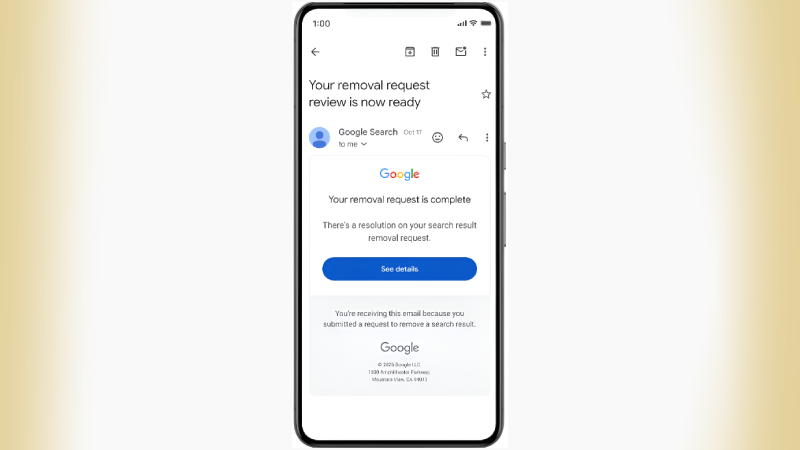
You can track the progress of your request to have specific URLs removed via the “Results About You” hub, including communications by email.
Related to the Timing of Global Rollout and Regulatory Environment: The timing of the rollouts of these new features coincide with the recent approval of stricter internet regulations worldwide.
In India, officials have begun requesting tighter regulation of AI-generated and/or non-consensual explicit media, which is likely to have impacted how Google and other companies have developed and implemented new features.
According to the Google blog, these new features are the initial stages and will first commence in the United States, with implementation on a more global level in the upcoming weeks.
The evolution of digital privacy technology signifies advancements; however, there are boundaries:
- Removing data from search results does not remove the data from the internet because the original data will still be found through a direct link or through another search engine.
- Users are required to give Google their personal and sensitive information, such as their ID number, in order to use the digital privacy system to monitor their accounts. This system may create an uncomfortable situation or give users reason to think twice about providing their ID information.
- The future effectiveness of filtering will rely heavily on two aspects: how users have opted into receiving filtered items and how the detection technologies are used.
Final Thoughts
In summary, Google’s recent expansion of digital privacy technology provides a meaningful basis for users to have increased control of their personal data within a search context. By allowing for easier and more explicit removal of pictures and providing for a longer list of types of data that are monitored, users gain an increased sense of agency in managing their digital presence.
However, no matter how beneficial the new technologies may be, they will not fully remove all negative content from the internet, only the content’s visibility through the Google search tool. It will be very important for both users and decision-makers to understand the calculation behind these new digital privacy systems in order to adapt to AI-based privacy systems as we move into the future.
