
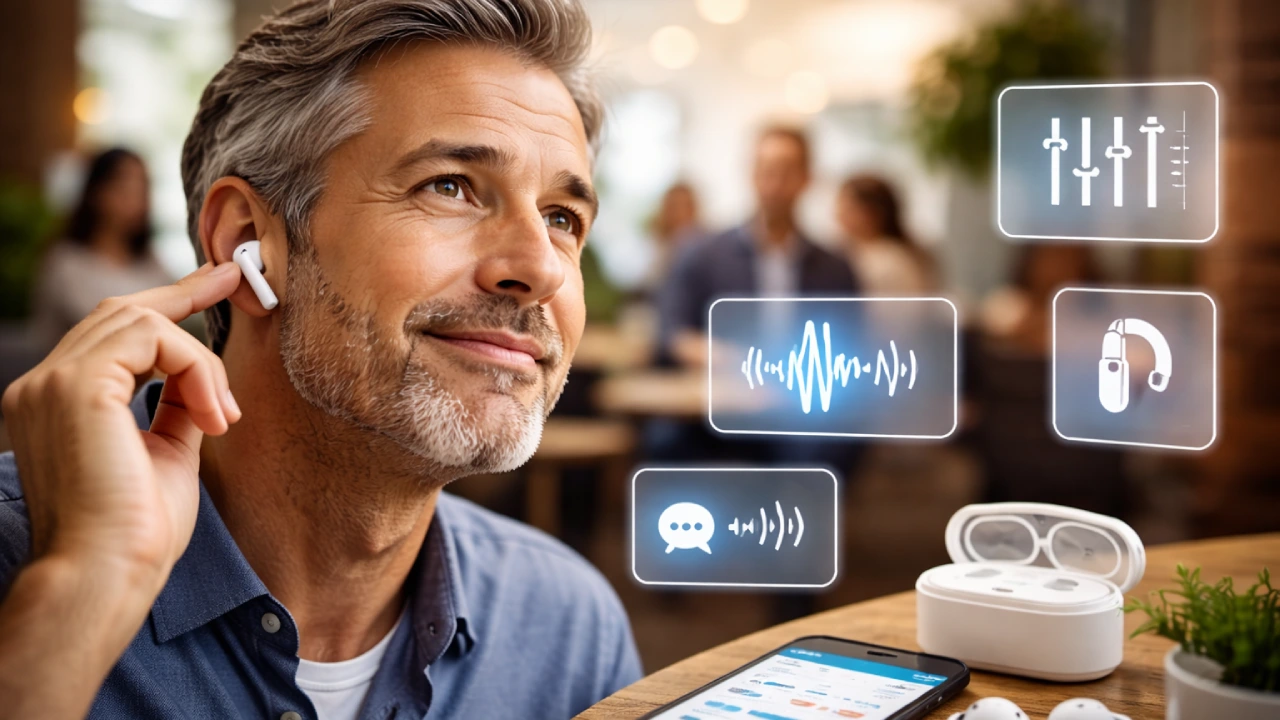
A few years back, no one talked about earbuds and hearing tech in the same sentence. Earbuds were just for music, calls, and maybe podcasts during travel. That was it. Now things are changing.
People are starting to use earbuds to hear better. Not because they want to, but because they need to. Meetings are louder. Cafes are noisy. Offices are full of background sound. Even family gatherings can feel tiring when you keep missing words. This is where earbuds quietly entered the hearing space.
Not as medical tools. Not as a cure. But as a support. And that difference matters.
Why So Many People Are Trying Earbuds for Hearing
Most hearing problems don’t start suddenly. They grow slowly. You don’t notice it at first. You just ask people to repeat things. You nod even when you didn’t fully hear.
Going to a hearing doctor feels like a big step. Hearing aids feel expensive and serious. Many people are not ready for that. Earbuds feel easy. They’re already there. In your pocket. On your desk. In your bag. Wearing them doesn’t feel like admitting something is wrong. That comfort is a big reason why people are trying earbuds for hearing help.
What Earbuds Really Do (No Marketing Talk)
Let’s say this clearly. Earbuds do not fix hearing loss. They do not heal ears. They do not replace medical hearing aids.

What they do is make some sounds easier to hear. Most earbuds today can pick up sounds around you and play them back into your ears. When someone speaks softly, earbuds can make that voice louder.
Some earbuds try to focus more on voices and lower other noise. This helps when you are in places like offices or cafes. There is also a phone-based listening feature. You keep your phone near the speaker, and their voice comes straight to your earbuds. For one person talking, this works well.
That’s the reality. Nothing more. Nothing less.
How Big Brands Are Pushing These Features
Apple, Samsung, and Google didn’t build earbuds to replace hearing aids. But they clearly saw how people were using them. Apple added features like Live Listen and Conversation Boost. These tools help bring voices closer and reduce noise. Apple also lets users adjust sound based on simple hearing checks.
Samsung offers sound control features that allow users to decide how much outside noise they want to hear. You can increase or reduce it depending on the place. Google focuses on voice clarity. Pixel Buds try to separate speech from noise using software. In busy places, this makes listening less tiring.
All these features help, but none of them turn earbuds into medical devices.
Why Earbuds Feel Better Than Hearing Aids for Many People
One big reason is money. Hearing aids are costly. Many people delay buying them because they simply can’t afford them. Earbuds are cheaper and already owned by many users. That makes them an easy option to try.
Another reason is how they look. Earbuds don’t look like medical tools. People don’t feel judged or uncomfortable wearing them. This matters more than most people admit.
There’s also the tech side. Earbuds get updates. Sound quality improves over time. New features appear without buying new hardware. Hearing aids usually don’t change much after purchase.
The Part Most People Ignore
This is where problems start. Earbuds are not designed for long-term hearing support. They are not tested like hearing aids. They don’t adjust to different types of hearing damage.
Battery life is another issue. Earbuds last a few hours, not a full day. Sound boost drains battery even faster. The biggest risk is volume. Many users turn the sound too high without realizing it. Over time, this can damage hearing more. Trying to hear better should not make hearing worse.
Using Earbuds the Right Way
If you are using earbuds to hear better, how you use them matters more than which brand you buy. Volume should never feel sharp or uncomfortable. If your ears feel tired, the sound is already too loud.
Instead of raising volume, adjusting sound balance helps more. Some earbuds let you control sound separately for each ear. This feels more natural.
Many earbuds also have safety limits. They warn you when the sound is too loud or when you’ve been listening for too long. These settings are often turned off. They should be turned on. Taking breaks is also important. Ears need rest, just like eyes.
Who Earbuds Actually Help
Earbuds work best for people with mild hearing trouble. People who can hear, but not clearly in every situation. People who struggle more in noisy places. People who feel tired after conversations.
For meetings, travel, and casual talks, earbuds can help reduce effort. They are not meant for people with serious hearing loss. They are not suitable for children. They are not a solution for medical ear problems. Using earbuds in these cases can delay proper care.
Signs That Earbuds Are Not Enough
Some signs should not be ignored. If you can’t follow conversations even in quiet rooms, earbuds won’t fix that. If there is constant ringing in your ears, that’s a warning. If you feel disconnected during most conversations, it’s time to see a specialist. Technology can support hearing, but it cannot diagnose problems.
A Middle Option Many People Miss
There is something between earbuds and medical hearing aids. Over-the-counter hearing devices are now available in some places. They are made for adults with mild hearing loss. They cost less than traditional hearing aids and are built with hearing safety in mind. They offer better control than earbuds. For some people, this is a better step before medical hearing aids.
Where Hearing Tech Is Heading
Hearing technology is moving fast. Companies are working on better voice detection and cleaner sound. AI is helping earbuds understand which sounds matter and which don’t.
Some brands are even trying to get hearing approvals for future devices. Earbuds may never fully replace hearing aids, but the gap is getting smaller. The focus is slowly shifting from louder sound to clearer sound.
Final Words
Earbuds are not hearing aids. But they are not useless either. For people with mild hearing trouble, they can make daily life easy. For serious hearing issues, they should never replace medical help.
The key is knowing when earbuds help and when they don’t. Used wisely, they support hearing. Used blindly, they can cause harm. That balance is what really defines hearing tech today.