

As nations worldwide grapple with the shift from fossil fuels to renewables to combat climate change, they’re finding a big gap between their ambitions and the reality of what the grid makes available. While the production of clean power is making leaps and bounds, the existing grid’s infrastructure often poses challenges. This is where battery energy storage systems come in. Battery storage can act as a bridging mechanism between the current grid issues and increasing renewable energy penetration.
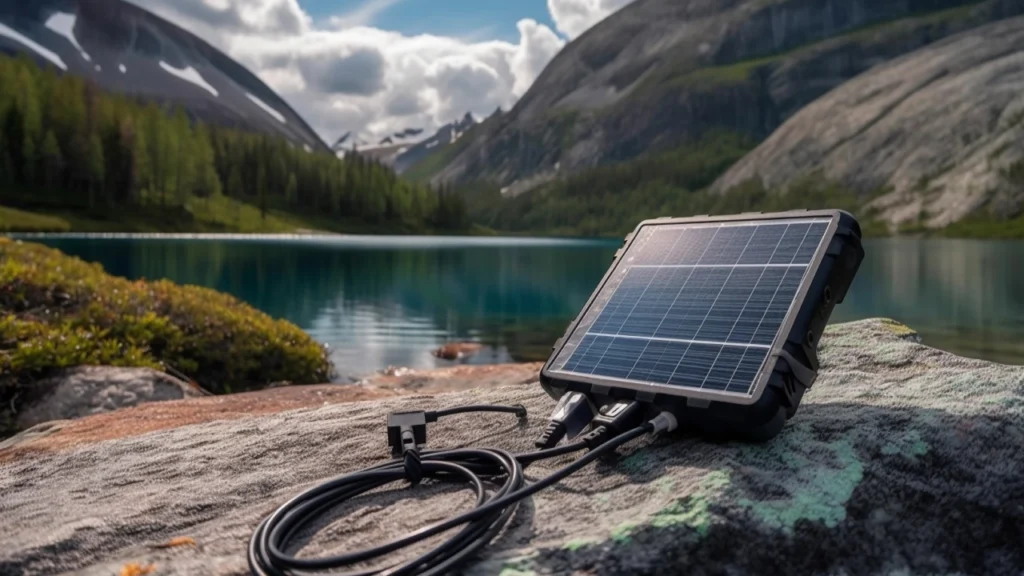
Bridging the Gap with BESS
Battery Energy Storage Systems, or BESS, are increasingly revolutionizing how forward-thinking businesses use and distribute power. They provide a flexible and efficient means to store electricity, whether from the power grid or generated by renewables such as solar or wind. The stored power can then be utilized during periods of high demand or power instability. As such, BESS can support existing grid infrastructure while promoting the use and efficiency of renewable energy.
Complementing Renewable Energies
Due to the intermittent nature of many renewable energy sources, there has always been a gap between power generation and consumption. Solar panels only produce power when the sun shines, and wind turbines only turn when the wind is blowing. Battery storage fills this gap by providing a way to absorb excess electricity and release it when needed.
Apart from supplying power when renewable generation is not available, battery storage also helps balance supply and demand. Flexible energy storage can respond to demand fluctuations faster than traditional power plants, helping maintain grid stability and reducing the risk of blackouts or shortages.
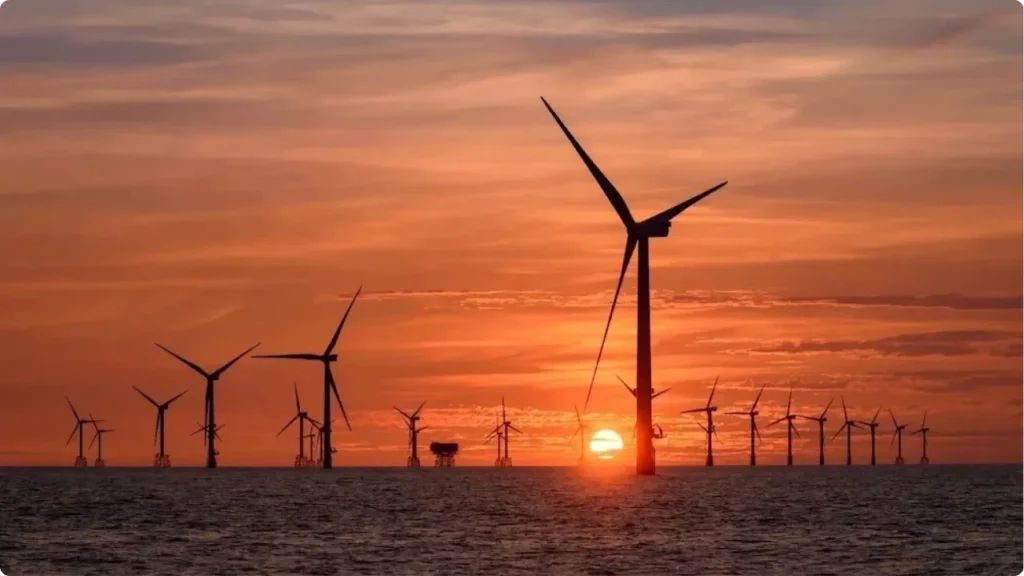
Decantralisation
Battery storage can also support the transition to decentralised power systems, in which generation sources are distributed rather than concentrated in large power plants. These systems are generally more robust due to multiple power sources, and battery storage can help manage power distribution.
Driving Down Costs
The decline in battery costs in recent years has made energy storage a more practical solution for utilities. As the costs continue to fall, power companies can leverage energy storage to reduce the need for expensive infrastructure upgrades.
Moreover, investing in energy storage systems can lead to significant long-term savings. Systems like BESS can store cheap off-peak electricity and discharge it during peak hours when electricity prices are high, adding a unique monetary value to these systems.

Conclusion
The clean energy ambition is no longer an aspirational ideal; it is, in fact, a pressing necessity. Bridging the gap between this ambition and the current grid reality is where battery storage systems come into play. Through balancing power supply and demand, enhancing grid resilience, and driving down costs, BESS could become a linchpin in the transformation of the power sector. As the world moves towards a more sustainable, low-carbon future, harnessing the untapped potential of battery storage could be pivotal.