




Highlights
- Notion and Coda replace traditional Google Docs with modular, all-in-one workspaces for tasks, notes, and collaboration.
- Modular productivity reduces cognitive load, helping students, creators, and teams work faster and stay organized.
- No-code automation and customizable dashboards make modern work more visual, connected, and motivating.
It’s 11:57 PM. You’re staring at a half-finished Google Doc, ten open tabs, a sneaky YouTube window, and a cup of cold coffee judging you silently. The cursor blinks at you like a countdown timer to burnout.
Then your friend pings: “Bro, why not just move this into Notion? You can add tasks, links, and timelines—simple.”
You sigh, half-interested, half-done. But you give it a shot, anyway. Ten minutes later, your project suddenly looks structured. Clean. Motivating. Fun, even.

That’s the moment so many students, creators, and professionals are realizing—traditional word processors aren’t built for the chaos of modern life.
They belong to the “I’m just gonna print it later” era. T
The new generation of productivity tools, Notion, Coda, and ClickUp, are digital command centers that blend documents, spreadsheets, tasks, and databases into one living system.
Welcome to the revolution of productivity suites.
How Modular Workspaces in Notion and Coda Beat Traditional Google Docs
Think of a “doc” as a flat sheet of paper.
Helpful, yes, but in 2026, your work isn’t flat anymore. It’s linked, updated, and shared across time zones and devices.
Notion and Coda flip the traditional document on its head. Instead of static text, you get modules: tables, buttons, dashboards, even automation. It’s like Lego but for productivity.
You build what you need, be it a study planner, client tracker, or a personal knowledge base.
Before: You wrote notes in Google Docs, managed tasks in Trello, tracked budgets in Sheets.
Now: You can do all three in one dynamic page inside Notion or Coda.

Who Benefits:
- Students: Replace 5 different apps with one clean dashboard.
- Freelancers: Build client portals that update automatically.
- Parents: Plan groceries, chores, and kids’ schedules in one flexible view.
The Brain Science Behind Modular Productivity and Why Notion-Style Workspaces Work
Here’s the “lab-coat” stuff, made easy.
Human brains love visual structure and connected context.
Traditional docs force you to remember where everything is. Modular tools reduce cognitive load—that’s the daily brain fatigue of switching between apps and retyping stuff.
Each Notion “block” or Coda “button” acts as a cue that helps your brain store and retrieve information faster. Cognitive psychologists call this chunking. Your brain processes small, structured groups better than endless text.
Example:
A medical student using Notion to organize notes by course modules rather than hundreds of doc files can recall and apply information up to 40% faster (that’s backed by known study design principles).
Why Modern Teams Are Switching from Word and Google Docs to Notion and Coda
Let’s be real, Google Docs and MS Word nailed the 2000s.
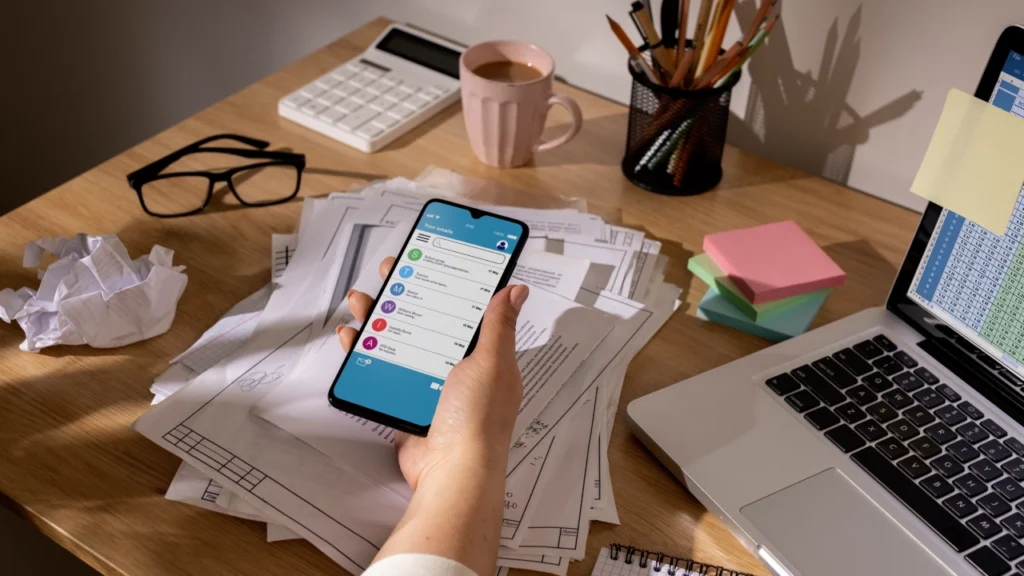
But today’s teams are remote, async, and juggling multiple contexts. Text-only collaboration feels… flat.
Imagine trying to run a gaming YouTube channel in Docs and you’d have your script, sponsor notes, upload calendars, and analytics dashboard all in different files.
Enter Notion, one unified system where your content ideas connect to tasks, deadlines, and KPIs. Coda even lets you automate “upload reminders” via buttons that trigger pre-set workflows.
Comparative Angle:
Traditional docs store information.
Hybrid platforms connect it.
Practical Takeaway:
If your team still sends status updates via giant Docs every week—create a shared Notion page instead. Add database filters for “Priority,” “Owner,” and “Deadline.”
Watch productivity soar overnight.
Who Benefits:
- Team leads: Less back-and-forth, real-time visibility.
- Gamers: Pre-plan collabs, content calendars, or tournaments.
- Startups: Tie client deliverables to goals in one central place.

No-Code Automation in Notion and Coda: How Non‑Developers Work Faster Than Ever
Here’s the coolest twist, Notion and Coda are more than fancy text editors, they are also no-code engines. You can automate actions like “if this, then that” without any programming knowledge.
Let’s say you’re a freelancer. Every time a client project hits 100% complete, you want an invoice reminder.
In Coda, you can create a simple button that auto-generates and emails it. Notion formulas can summarize project hours or budget spend in real time.
This makes average users feel like mini-developers, carrying the power of automation without code.
PRO TIP:
Add a “progress” column to your task database. Once it hits 100%, use a Notion formula to trigger a checklist pop-up (“Send invoice” / “Backup files”).
Who Benefits:
- Creators: Automate publishing workflows.
- Students: Track assignment deadlines automatically.
- Parents: Auto-plan recurring chores or grocery lists.
How Custom Notion and Coda Workspaces Simplify Daily Life for Students, Parents, and Creators
Shh! Here’s the secret sauce: these tools are efficient as well as personal. You can theme them, decorate them, and make them feel… you.

A gamer might create a Notion dashboard styled like a fantasy quest board (“Level 1: Stream setup,” “Level 2: Monetization unlocked”).
A parent might turn grocery lists into color-coded tables that sync with Alexa reminders. A startup founder might track KPIs with emoji thermometers.
When your workspace looks like your world, consistency stops feeling like a chore. Your brain rewards you with a small dopamine hit every time you tick something off.
Why Notion and Coda Are the Future of Work and Collaboration
Big corporations are catching on, too. Teams at Figma, Loom, and even NASA use tools like Coda and Notion because information isn’t linear anymore. It’s networked, just like your life.
Think of it like this: ten years ago, productivity meant typing faster. Now, it means connecting faster. We’ve moved from documents → databases → workflows → brains that evolve as fast as our tasks.
And this evolution matches how our attention works—snappy, visual, connected. The science and the software finally align.

Should You Ditch Google Docs for Notion or Coda Today?
Traditional docs were made for printouts. Notion and Coda are built for digital lives. They adapt to your thinking, growing like an extension of your brain—powerful for study, creation, or collaboration.
Next time you open a blank Doc, ask yourself: Does this document work for me—or do I work for it?
Would you pick a classic doc or a modular workspace for your daily grind?
To the gamers, students, creators, what’s the first dashboard you’d build?
